
These Cranberry Orange Shortbread Cookies are a lovely treat, especially around the holidays or any time you want a bright, cheerful cookie. The combination of tart cranberries and zesty orange is a classic for a reason. They have that wonderful crumbly texture that shortbread is known for, with little pops of chewy cranberry and a hint of citrus. I like to make a big batch and keep them in an airtight container for easy snacking or to share with friends. The simplicity of shortbread makes it very forgiving, and the added fruits and citrus take it from plain to special. Ingredients: 60 g caster sugar 1 orange (zest only) 125 g unsalted butter (room temperature) 1 tsp vanilla extract 180 g plain flour (all-purpose) 75 g dried cranberries (finely chopped) 120 g powdered icing sugar (confectioners’ sugar) 30 ml orange juice 1 tsp unsalted butter (melted) Making the Shortbread Dough To start, let’s get our ingredients ready for the cookie dough. First, you’ll need to zest your orange. A fine grater works best to get just the fragrant outer peel and avoid any bitter white pith. Set that zest aside. In a large mixing bowl, cream together the room-temperature unsalted butter and the caster sugar. It’s important that the butter is softened but not melted. You want it to be pliable so it whips up nicely with the sugar, creating a light and airy base for our shortbread. Beat these together until the mixture is pale and fluffy. This usually tak

Cranberry Orange Shortbread Cookies Recipe
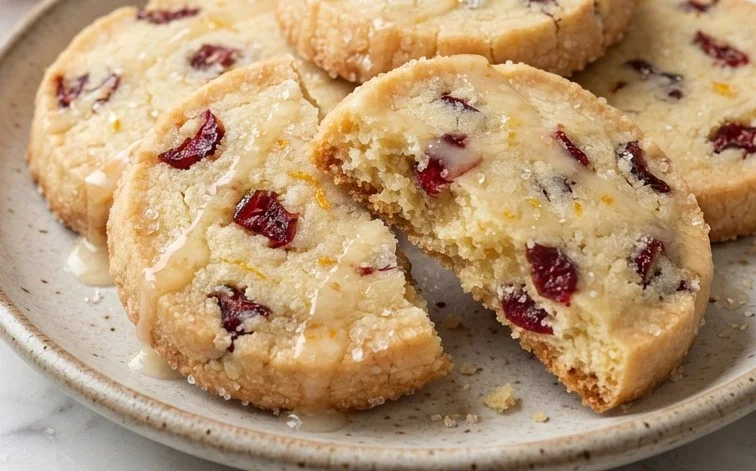
These Cranberry Orange Shortbread Cookies are a lovely treat, especially around the holidays or any time you want a bright, cheerful cookie. The combination of tart cranberries and zesty orange is a classic for a reason. They have that wonderful crumbly texture that shortbread is known for, with little pops of chewy cranberry and a hint of citrus. I like to make a big batch and keep them in an airtight container for easy snacking or to share with friends. The simplicity of shortbread makes it very forgiving, and the added fruits and citrus take it from plain to special.
Ingredients:
- 60 g caster sugar
- 1 orange (zest only)
- 125 g unsalted butter (room temperature)
- 1 tsp vanilla extract
- 180 g plain flour (all-purpose)
- 75 g dried cranberries (finely chopped)
- 120 g powdered icing sugar (confectioners’ sugar)
- 30 ml orange juice
- 1 tsp unsalted butter (melted)
Making the Shortbread Dough
To start, let’s get our ingredients ready for the cookie dough. First, you’ll need to zest your orange. A fine grater works best to get just the fragrant outer peel and avoid any bitter white pith. Set that zest aside. In a large mixing bowl, cream together the room-temperature unsalted butter and the caster sugar. It’s important that the butter is softened but not melted. You want it to be pliable so it whips up nicely with the sugar, creating a light and airy base for our shortbread. Beat these together until the mixture is pale and fluffy. This usually takes a few minutes of whisking or using an electric mixer.
Next, add the vanilla extract and the finely grated orange zest to the creamed butter and sugar. Give it another good mix to distribute the flavors evenly throughout the mixture. Now it’s time to add the dry ingredients. Sift the plain flour into the bowl. Sifting helps to aerate the flour and prevent any lumps, which contributes to a more tender cookie. Gently fold the flour into the wet ingredients using a spatula or a wooden spoon until just combined. Be careful not to overmix at this stage, as overworking the dough can develop the gluten in the flour, resulting in tougher cookies.
Once the flour is almost incorporated, add the finely chopped dried cranberries. I like to chop them fairly small so they distribute evenly and don’t create large, dense pockets in the cookies. Fold these into the dough until they are scattered throughout. The dough will be quite soft and crumbly at this point, which is exactly what you want.
Shaping and Chilling the Dough
Now we need to bring the dough together. You can turn the mixture out onto a clean work surface and gently bring it together with your hands. Don’t knead it; just press it together until it forms a cohesive dough. If it feels a bit too sticky, you can lightly dust your hands with a little extra flour, but try to avoid adding too much.
There are a couple of ways to shape the shortbread. A traditional method is to divide the dough into two portions and roll each portion into a log about 4-5 cm in diameter. Wrap these logs tightly in cling film or parchment paper and refrigerate them for at least 30 minutes. Chilling the dough is a critical step; it firms up the butter, making the dough easier to slice cleanly and preventing the cookies from spreading too much during baking. This step helps achieve that characteristic shortbread texture that melts in your mouth.
Alternatively, you can flatten the dough into a disc and wrap it, or even press it directly into a square baking tin (about 20cm x 20cm) that you’ve lined with parchment paper. If you press it into a tin, you can score it into squares or rectangles before chilling, which makes cutting easier after baking. For slicing the logs, use a sharp knife and make clean cuts to ensure neat edges.
Baking the Cookies
Preheat your oven to 160°C (140°C fan/325°F/Gas Mark 3). Line a baking sheet with parchment paper if you haven’t already pressed the dough into a tin. If you’ve chilled logs, take them out of the refrigerator and slice them into rounds about 1 cm thick. Carefully arrange the cookie slices on the prepared baking sheet, leaving a little space between them. If you’re baking from a tin, ensure the dough is evenly spread.
Bake the shortbread for 15-20 minutes. You’re looking for the edges to be lightly golden. The centers should still be pale; they will firm up as they cool. Overbaking can lead to dry, hard cookies. Keep an eye on them, as oven temperatures can vary. If you’re using the tin method, the baking time might be slightly longer, around 25-30 minutes, depending on the thickness of your dough.
Glazing and Cooling
While the cookies are still warm from the oven, it’s time for the glaze. In a small bowl, whisk together the powdered icing sugar and the orange juice until you have a smooth, pourable glaze. If it seems too thick, add a tiny bit more orange juice, a teaspoon at a time. If it’s too thin, add a little more icing sugar. You want a consistency that will drip nicely but not run off the cookies completely.
Drizzle this glaze over the warm cookies. You can use a spoon or a piping bag with a fine tip for more control. The warmth of the cookies will help the glaze set quickly. Once glazed, let the cookies cool on the baking sheet for about 5-10 minutes before carefully transferring them to a wire rack to cool completely. If you baked them in a tin, you can score them again while warm if you didn’t before, then drizzle with glaze and let them cool in the tin before breaking them apart.
For an extra touch of shine and flavor, you can brush the cookies with the melted unsalted butter as soon as they come out of the oven, before glazing. This step is optional but adds a lovely subtle richness. These cookies are best stored in an airtight container at room temperature for up to a week. They don’t require refrigeration. Enjoy them with a cup of tea or coffee.
Conclusion:
These Cranberry Orange Shortbread Cookies are a fantastic way to bring a burst of festive flavor to your day. They offer that classic, melt-in-your-mouth shortbread texture with delightful surprises from the tart cranberries and bright orange zest. They’re wonderful for holiday cookie platters, afternoon tea, or simply as a comforting homemade treat. You can easily double the recipe if you need more for a crowd or for extra to keep on hand. The simple ingredients and straightforward method make them a rewarding bake for cooks of all levels. Enjoy the satisfying crumble and the cheerful combination of fruit and citrus!
Frequently Asked Questions:
Can I use fresh cranberries instead of dried?
You can use fresh cranberries, but you’ll need to chop them very finely and possibly toss them with a little extra sugar. Fresh cranberries can release more moisture, which might change the cookie’s texture slightly. For the best and most consistent results with this recipe, dried cranberries are recommended as they’re already sweetened and chopped.
How should I store these cookies?
Store your Cranberry Orange Shortbread Cookies in an airtight container at room temperature. They will stay fresh and delicious for about 5-7 days. Avoid storing them with very moist items, as they can absorb unwanted humidity and lose their crispness. They also freeze well for longer storage.
What other dried fruits can I use?
If you don’t have dried cranberries, you could try finely chopped dried cherries or dried blueberries. You could also add a small amount of finely chopped candied orange peel for an extra citrus punch, though be mindful of its sweetness.
Cranberry Orange Shortbread Cookies
Deliciously crumbly shortbread cookies with a zesty orange and tart cranberry flavor.
Ingredients
-
60 g caster sugar
-
1 orange (zest)
-
125 g unsalted butter (room temperature)
-
1 tsp vanilla extract
-
180 g plain flour (all-purpose)
-
75 g dried cranberries (finely chopped)
-
120 g powdered icing sugar (confectioners’ sugar)
-
30 ml orange juice
-
1 tsp unsalted butter (melted)
Instructions
-
Step 1
In a large bowl, cream together the caster sugar, orange zest, and softened unsalted butter until light and fluffy. Stir in the vanilla extract. -
Step 2
Gradually add the plain flour to the butter mixture, mixing until just combined to form a soft dough. -
Step 3
Gently fold in the finely chopped dried cranberries. -
Step 4
Roll out the dough on a lightly floured surface to about 1cm thickness. Cut into desired shapes using cookie cutters. Place on a baking sheet lined with parchment paper. -
Step 5
Bake in a preheated oven at 180°C (350°F) for 12-15 minutes, or until the edges are lightly golden. -
Step 6
While the cookies are cooling, whisk together the powdered icing sugar and orange juice until smooth to create a glaze. Drizzle over the cooled cookies. Once the glaze is set, drizzle with melted butter.
Important Information
Nutrition Facts (Per Serving)
It is important to consider this information as approximate and not to use it as definitive health advice.
Allergy Information
Please check ingredients for potential allergens and consult a health professional if in doubt.



Leave a Comment