The scent of orange and cranberry baking in the oven always makes me think of cozy afternoons and cheerful gatherings. This Orange Cranberry Bread is wonderfully moist, studded with tart cranberries, and infused with bright citrus notes. It’s simple enough for a weeknight bake but special enough for a holiday brunch or a thoughtful gift. The combination of sweet orange and the slight tang of cranberries is a classic for a reason, and this recipe delivers it beautifully. Ingredients: 8 tablespoons (113g) unsalted butter, at room temperature 3/4 cup (149g) granulated sugar zest of 1 orange 1/2 teaspoon table salt 1 3/4 cups (210g) King Arthur Unbleached All-Purpose Flour 1 teaspoon baking powder 3 large eggs 1/2 cup (113g) milk 2 teaspoons King Arthur Pure Vanilla Extract 1 cup (99g) cranberries, fresh or frozen; roughly chopped 3/4 cup (85g) confectioners’ sugar, sifted if lumpy 1 tablespoon (14g) orange juice, fresh preferred. Instructions Preparing the Batter Creaming the Butter and Sugar: Start by creaming together the softened unsalted butter and granulated sugar in a large mixing bowl. You want to beat these until the mixture is light and fluffy, which usually takes about 3-5 minutes with an electric mixer, or a bit longer by hand. This step is important because it incorporates air into the batter, which contributes to a tender crumb and a good rise in the finished bread. Make sure your butter is truly at room temperature – not melted, but soft enou
Orange Cranberry Bread
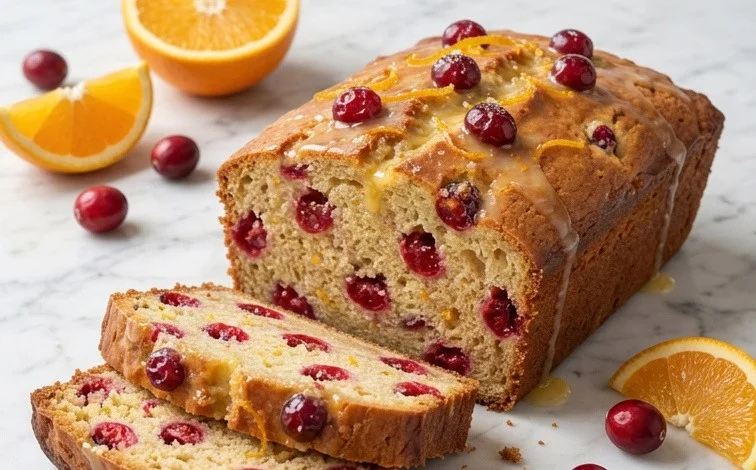
The scent of orange and cranberry baking in the oven always makes me think of cozy afternoons and cheerful gatherings. This Orange Cranberry Bread is wonderfully moist, studded with tart cranberries, and infused with bright citrus notes. It’s simple enough for a weeknight bake but special enough for a holiday brunch or a thoughtful gift. The combination of sweet orange and the slight tang of cranberries is a classic for a reason, and this recipe delivers it beautifully.
Ingredients:
- 8 tablespoons (113g) unsalted butter, at room temperature
- 3/4 cup (149g) granulated sugar
- zest of 1 orange
- 1/2 teaspoon table salt
- 1 3/4 cups (210g) King Arthur Unbleached All-Purpose Flour
- 1 teaspoon baking powder
- 3 large eggs
- 1/2 cup (113g) milk
- 2 teaspoons King Arthur Pure Vanilla Extract
- 1 cup (99g) cranberries, fresh or frozen; roughly chopped
- 3/4 cup (85g) confectioners’ sugar, sifted if lumpy
- 1 tablespoon (14g) orange juice, fresh preferred.
Instructions
Preparing the Batter
- Creaming the Butter and Sugar: Start by creaming together the softened unsalted butter and granulated sugar in a large mixing bowl. You want to beat these until the mixture is light and fluffy, which usually takes about 3-5 minutes with an electric mixer, or a bit longer by hand. This step is important because it incorporates air into the batter, which contributes to a tender crumb and a good rise in the finished bread. Make sure your butter is truly at room temperature – not melted, but soft enough that you can easily indent it with your finger. This ensures it emulsifies properly with the sugar.
- Adding Wet Ingredients and Flavorings: Next, beat in the orange zest and table salt. The zest is where you get that wonderful concentrated orange perfume and flavor, so be sure to zest the entire orange, avoiding the bitter white pith. Then, one at a time, add the large eggs, beating well after each addition to fully incorporate them. Following the eggs, stir in the milk and the pure vanilla extract. Mix until everything is just combined; don’t overmix at this stage.
- Combining Dry Ingredients: In a separate medium bowl, whisk together the all-purpose flour and baking powder. Whisking helps to distribute the baking powder evenly throughout the flour, ensuring a consistent rise. It also aerates the flour a bit. You want to avoid any lumps of baking powder in your final bread.
Assembling and Baking the Bread
- Combining Wet and Dry Mixtures: Gradually add the dry ingredients to the wet ingredients, mixing on low speed (or stirring gently by hand) until just combined. It’s important not to overwork the batter once the flour is added. Overmixing can develop the gluten in the flour too much, leading to a tough and dense bread. You should still see a few streaks of flour at this point; that’s perfectly fine, as they will disappear as you fold in the cranberries.
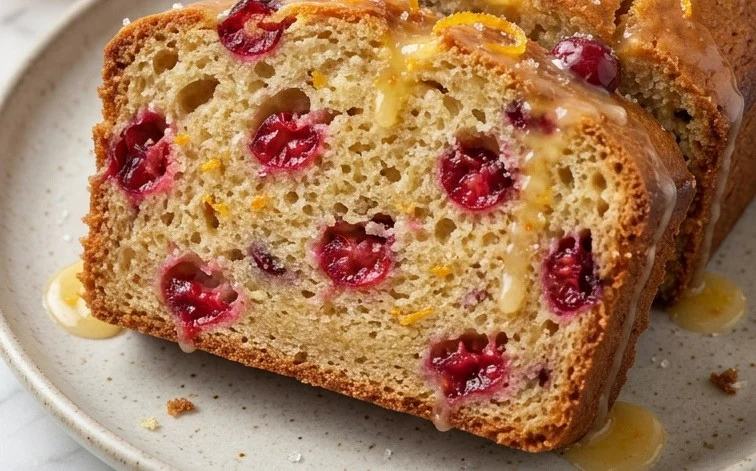
- Folding in the Cranberries: Gently fold in the roughly chopped fresh or frozen cranberries. If using frozen cranberries, there’s no need to thaw them first. Just make sure they are well-coated with the batter. This helps prevent them from sinking to the bottom of the loaf during baking. The vibrant red of the cranberries will create beautiful flecks throughout the golden-brown bread.
- Baking the Bread: Pour the batter into a greased and floured 9×5 inch loaf pan. Smooth the top with a spatula. Bake in a preheated oven at 350°F (175°C) for 50-65 minutes. To check for doneness, insert a wooden skewer or toothpick into the center of the loaf. If it comes out clean, the bread is ready. If it comes out with wet batter, continue baking for another 5-10 minutes and test again. Keep an eye on the top of the bread; if it starts to brown too quickly, you can loosely tent it with aluminum foil for the remainder of the baking time.
Making the Glaze and Finishing
- Preparing the Orange Glaze: While the bread is cooling, prepare the simple orange glaze. In a small bowl, whisk together the sifted confectioners’ sugar and fresh orange juice until smooth and pourable. If the glaze seems too thick, add a tiny bit more orange juice, a teaspoon at a time, until you reach your desired consistency. If it’s too thin, add a bit more confectioners’ sugar. Sifting the confectioners’ sugar is a good idea to prevent lumps and ensure a silky smooth glaze.
- Glazing and Serving: Once the bread has cooled in the pan for about 10-15 minutes, carefully turn it out onto a wire rack to cool completely. This step is important to prevent a soggy bottom. Once the bread is fully cooled, drizzle or spread the orange glaze over the top. Let the glaze set for a few minutes before slicing and serving. This bread is delicious on its own, or you can serve it with a smear of butter. It keeps well at room temperature, stored in an airtight container, for about 2-3 days.
Conclusion:
This Orange Cranberry Bread is a fantastic bake for any occasion, offering a delightful balance of sweet orange and tangy cranberries in every moist slice. It’s straightforward enough to whip up after work but impressive enough to serve at holiday gatherings or give as a homemade gift. The aroma alone as it bakes is incredibly welcoming. For serving, it’s delicious on its own, lightly toasted, or with a smear of cream cheese or butter. Consider adding a handful of chopped walnuts or pecans to the batter for a bit of crunch. You can also substitute other berries like blueberries or raspberries for a different flavor profile, though cranberries offer that signature tartness. Don’t be afraid to experiment with the orange zest; a little extra can really boost that citrus flavor. This recipe is a winner because it consistently delivers a tender, flavorful loaf. Enjoy baking and sharing this wonderful Orange Cranberry Bread!
Can I make this bread ahead of time?
Yes, Orange Cranberry Bread keeps well. Once completely cooled, wrap it tightly in plastic wrap and then in foil. It will stay fresh at room temperature for up to 3 days, or it can be frozen for up to 3 months. Thaw frozen bread at room temperature.
My bread came out a bit dry. What went wrong?
Dryness can happen if the bread is overbaked. Always start checking for doneness a few minutes before the recipe suggests. A toothpick inserted into the center should come out with a few moist crumbs attached, not completely clean. Also, ensure you’re measuring your flour correctly; spooning it into the cup and leveling it off is better than scooping directly from the bag, which can pack too much flour in.
How can I make the orange flavor stronger?
To enhance the orange flavor, you can increase the amount of orange zest by about half a teaspoon. You could also add a tablespoon of orange extract along with the vanilla extract, or brush the top of the baked bread with a simple glaze made from powdered sugar and orange juice while it’s still warm.
Orange Cranberry Bread
A moist and flavorful quick bread bursting with the bright flavors of orange and tart cranberries.
Ingredients
-
8 tablespoons (113g) unsalted butter, at room temperature
-
3/4 cup (149g) granulated sugar
-
zest of 1 orange
-
1/2 teaspoon table salt
-
1 3/4 cups (210g) King Arthur Unbleached All-Purpose Flour
-
1 teaspoon baking powder
-
3 large eggs
-
1/2 cup (113g) milk
-
2 teaspoons King Arthur Pure Vanilla Extract
-
1 cup (99g) cranberries, fresh or frozen; roughly chopped
-
3/4 cup (85g) confectioners’ sugar, sifted if lumpy
-
1 tablespoon (14g) orange juice, fresh preferred
Instructions
-
Step 1
Preheat oven to 350°F (175°C). Grease and flour a 9×5 inch loaf pan. -
Step 2
In a large bowl, cream together the softened butter and granulated sugar until light and fluffy. Beat in the orange zest and salt. -
Step 3
In a separate bowl, whisk together the flour and baking powder. In another small bowl, whisk together the eggs, milk, and vanilla extract. -
Step 4
Alternately add the dry ingredients and the wet ingredients to the butter mixture, beginning and ending with the dry ingredients. Mix until just combined, being careful not to overmix. -
Step 5
Gently fold in the chopped cranberries. -
Step 6
Pour the batter into the prepared loaf pan and spread evenly. -
Step 7
Bake for 50-60 minutes, or until a wooden skewer inserted into the center comes out clean. Let the bread cool in the pan for 10 minutes before transferring to a wire rack to cool completely. -
Step 8
In a small bowl, whisk together the confectioners’ sugar and orange juice until smooth. Drizzle over the cooled bread.
Important Information
Nutrition Facts (Per Serving)
It is important to consider this information as approximate and not to use it as definitive health advice.
Allergy Information
Please check ingredients for potential allergens and consult a health professional if in doubt.


Leave a Comment