
Harry Potter Butterbeer Cookies are small, chewy delights that capture the comforting, sweet essence of the wizarding world’s favorite beverage. Imagine biting into a cookie that tastes just like a warm mug of butterbeer, with its distinct butterscotch flavor and a whisper of creamy soda. That’s what these cookies aim to deliver. They’re special because they combine a beloved fictional treat with the satisfying texture of a perfect homemade cookie. The key lies in layering the butterscotch flavors and achieving that ideal soft, slightly chewy texture that makes you want to eat more than just one. Whether you’re hosting a Harry Potter movie marathon or just looking for a unique and comforting cookie, these butterbeer cookies are sure to be a hit.
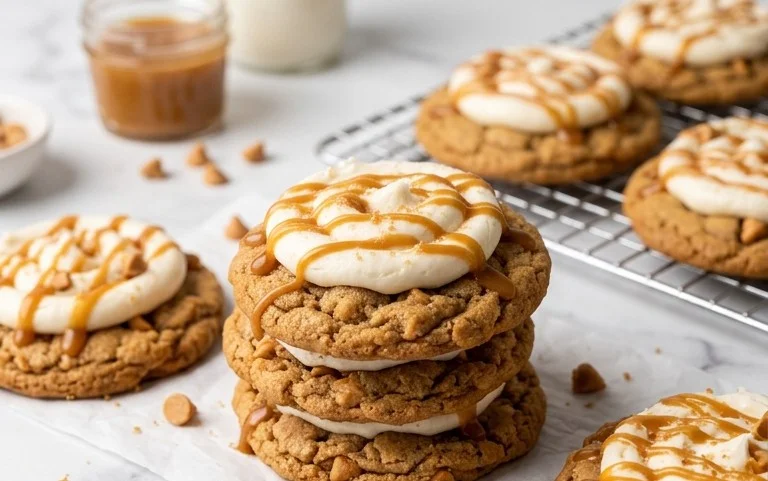
Harry Potter Butterbeer Cookies
These butterbeer cookies capture the comforting, sweet essence of the wizarding world’s favorite beverage in a chewy, delightful cookie form. They have a distinct butterscotch flavor with a hint of creamy soda, making them an irresistible treat for any Potter fan or anyone who loves a good butterscotch cookie. The key is in layering the butterscotch flavors and achieving that perfect soft, slightly chewy texture.
Ingredients:
- 2 cups (250 g) all-purpose flour, spooned and leveled
- 1/2 tsp baking soda
- 1/2 tsp baking powder
- 1/2 tsp salt
- 3/4 cup (168 g) unsalted butter, softened
- 3/4 cup (165 g) light brown sugar, packed
- 1/4 cup (50 g) granulated white sugar
- 2 egg yolks, at room temperature
- 1 tbsp vanilla bean paste or extract
- 1 1/2 tsp butter extract
- 1/4 cup (50 g) butterscotch chips, melted and slightly cooled
- 1/2 cup (100 g) butterscotch chips
- 12 oz (355 ml) butterscotch flavored non-alcoholic beverage or cream soda
- 3 tbsp (42 g) unsalted butter, softened
- 3 tbsp (45 ml) heavy cream, at room temperature
Making the Cookie Dough
- Preheat and Prep: Begin by preheating your oven to 350°F (175°C). Line two baking sheets with parchment paper. This prevents the cookies from sticking and ensures even baking. In a medium bowl, whisk together the 2 cups of all-purpose flour, 1/2 teaspoon of baking soda, 1/2 teaspoon of baking powder, and 1/2 teaspoon of salt. Whisking these dry ingredients together ensures they are evenly distributed, which helps the cookies rise properly and prevents pockets of leavening agents. Set this bowl aside.
- Creaming the Butter and Sugars: In a large bowl, using an electric mixer on medium speed, cream together the 3/4 cup of softened unsalted butter, 3/4 cup of packed light brown sugar, and 1/4 cup of granulated white sugar. Beat until the mixture is light and fluffy, about 2-3 minutes. Scrape down the sides of the bowl periodically to ensure everything is incorporated. The light brown sugar adds moisture and a caramel-like depth of flavor, while the granulated sugar contributes to crisp edges.
- Adding Wet Ingredients and Flavor: To the creamed butter and sugar mixture, add the 2 egg yolks, 1 tablespoon of vanilla bean paste or extract, and 1 1/2 teaspoons of butter extract. Beat on medium speed until well combined. The egg yolks provide richness and help bind the cookies, while the vanilla and butter extracts are essential for that distinct butterscotch profile. It’s important that your egg yolks are at room temperature, as they will emulsify better with the fats, leading to a smoother dough.
- Incorporating Dry Ingredients and Butterscotch: Gradually add the flour mixture to the wet ingredients, mixing on low speed until just combined. Be careful not to overmix, as this can develop the gluten in the flour too much, resulting in tough cookies. Stir in the 1/4 cup of melted and slightly cooled butterscotch chips. Melting and stirring in some of the butterscotch chips directly into the dough helps distribute their flavor throughout each cookie, creating little pockets of intense butterscotch goodness.
- Chilling the Dough: This step is important for achieving the right texture. Cover the bowl with plastic wrap and refrigerate the dough for at least 30 minutes, or up to 2 days. Chilling the dough allows the fats to firm up, which prevents the cookies from spreading too much in the oven. It also allows the flavors to meld together, enhancing the overall taste. If you plan to bake the cookies, you can scoop them onto the prepared baking sheets before chilling, which makes the scooping process easier when the dough is firm.
Baking the Cookies
- Scooping and Baking: Once the dough is chilled, scoop rounded tablespoons of dough onto the prepared baking sheets, spacing them about 2 inches apart. Gently press down on the top of each dough ball with your fingers or the bottom of a glass. This helps them bake more evenly. Bake for 9-12 minutes, or until the edges are lightly golden brown and the centers still look slightly soft. They will continue to cook as they cool on the baking sheet.
- Cooling: Let the cookies cool on the baking sheets for 5-10 minutes before transferring them to a wire rack to cool completely. This initial cooling on the hot baking sheet is critical for the cookies to set up properly and avoid crumbling when you move them.
Making the Butterscotch Glaze
While the cookies are cooling, prepare the simple butterscotch glaze.
- Melting and Combining: In a small saucepan over low heat, melt the remaining 1/2 cup of butterscotch chips with the 12 ounces of butterscotch flavored non-alcoholic beverage or cream soda. Stir constantly until the chips are completely melted and the mixture is smooth. This combination creates the base for our glaze, infusing it with the characteristic butterscotch and creamy soda flavor.
- Adding Cream and Thickening: Remove the saucepan from the heat. Stir in the 3 tablespoons of softened unsalted butter and 3 tablespoons of heavy cream. Continue to stir until the butter is melted and the glaze is smooth and slightly thickened. The butter adds richness, and the heavy cream contributes to a smooth, pourable consistency. If the glaze seems too thin, you can let it sit for a few minutes to thicken slightly as it cools. If it seems too thick, you can stir in a tiny splash more of the non-alcoholic beverage.
- Glazing the Cookies: Once the cookies are completely cooled, you can drizzle the glaze over them using a spoon or a piping bag fitted with a small round tip. Alternatively, you can dip the tops of the cookies into the glaze. Let the glaze set for about 15-20 minutes before serving.
These butterbeer cookies are best enjoyed within a few days. Store any leftovers in an airtight container at room temperature. They are perfect for themed parties, a fun afternoon treat, or simply when you’re craving a taste of magic.
Conclusion:
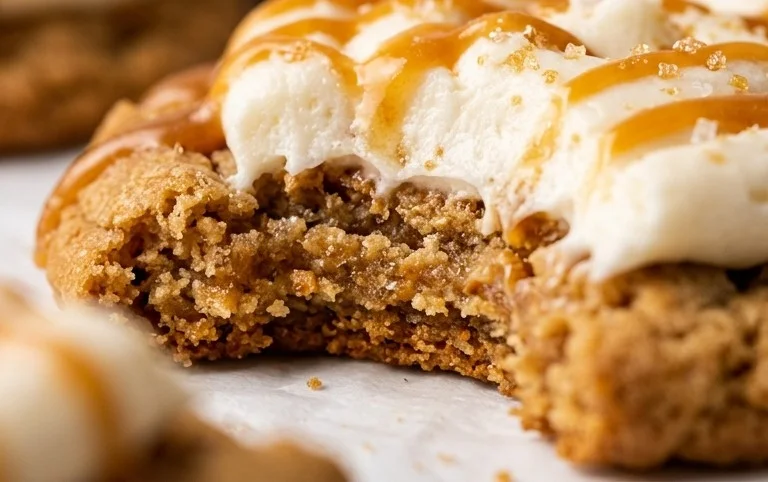
These Harry Potter Butterbeer Cookies truly bring a taste of the wizarding world right into your kitchen. They offer that comforting, sweet butterscotch flavor with a hint of creamy soda that makes the original drink so beloved, all wrapped up in a perfectly chewy cookie texture. They are wonderful for themed parties, cozy afternoons, or just because you want a special treat. You can serve them warm with a glass of milk or alongside your favorite hot beverage. For a fun variation, consider adding a pinch of sea salt on top just before baking to enhance the butterscotch notes. They store well in an airtight container at room temperature for several days, though they’re best enjoyed within the first few.
Frequently Asked Questions:
Can I make these cookies dairy-free?
While the recipe relies on butter and cream for its signature flavor and texture, you could experiment with dairy-free butter alternatives and a dairy-free cream or full-fat coconut milk for the frosting. Note that the texture and flavor may change slightly.
What kind of butterscotch beverage should I use?
Look for a non-alcoholic butterscotch-flavored drink or a cream soda that has a prominent butterscotch flavor. Brands that specifically offer butterscotch cream soda are ideal. You want it to add sweetness and that distinct butterscotch essence without being overpowering.
Why are my cookies spreading too much?
Ensure your butter is softened but not melted when creaming it with the sugars. Also, chilling the cookie dough for at least 30 minutes before baking can help prevent excessive spreading and result in a thicker, chewier cookie.
Harry Potter Butterbeer Cookies
Delicious cookies inspired by the iconic wizarding world drink, Butterbeer, featuring a rich butterscotch flavor and a hint of cream soda.
Ingredients
-
2 cups (250 g) all-purpose flour, spooned and leveled
-
1/2 tsp baking soda
-
1/2 tsp baking powder
-
1/2 tsp salt
-
3/4 cup (168 g) unsalted butter, softened
-
3/4 cup (165 g) light brown sugar, packed
-
1/4 cup (50 g) granulated white sugar
-
2 egg yolks, at room temperature
-
1 tbsp vanilla bean paste or extract
-
1 1/2 tsp butter extract
-
1/4 cup (50 g) butterscotch chips, melted and slightly cooled
-
1/2 cup (100 g) butterscotch chips
-
12 oz (355 ml) butterscotch non-alcoholic cream soda
-
3 tbsp (42 g) unsalted butter, softened (for frosting)
-
3 tbsp (45 ml) heavy cream, at room temperature (for frosting)
Instructions
-
Step 1
Preheat oven to 350°F (175°C). Line baking sheets with parchment paper. -
Step 2
In a medium bowl, whisk together flour, baking soda, baking powder, and salt. -
Step 3
In a large bowl, cream together softened butter, brown sugar, and granulated sugar until light and fluffy. Beat in egg yolks, vanilla extract, and butter extract. -
Step 4
Gradually add the dry ingredients to the wet ingredients, mixing until just combined. Stir in the melted butterscotch chips and the whole butterscotch chips. -
Step 5
Drop rounded tablespoons of dough onto the prepared baking sheets, about 2 inches apart. -
Step 6
Bake for 8-10 minutes, or until edges are lightly golden and centers are still slightly soft. -
Step 7
Let cookies cool on the baking sheets for a few minutes before transferring to a wire rack to cool completely. -
Step 8
For the frosting: Melt the remaining 3 tbsp butter. Whisk in the heavy cream and a splash of butterscotch cream soda until smooth. Drizzle over cooled cookies.
Important Information
Nutrition Facts (Per Serving)
It is important to consider this information as approximate and not to use it as definitive health advice.
Allergy Information
Please check ingredients for potential allergens and consult a health professional if in doubt.


Leave a Comment