
Christmas potpourri has a way of transforming a house into a cozy, festive wonderland with just a few simple ingredients. The warm, inviting aroma that wafts through the air is instantly recognizable and deeply comforting, a signature scent of the holiday season. Making your own Christmas potpourri allows you to control the fragrance, ensuring it’s exactly to your liking, and it’s surprisingly simple to do. Forget those artificial air fresheners; this natural approach fills your home with a genuine, delightful perfume. The ingredients themselves are aromatic and pleasing to the eye, creating a beautiful display as they simmer. This recipe focuses on natural elements that release their scent gently over time, creating a consistent and lovely fragrance that lingers without being overpowering. It’s a wonderful way to add a personal, handcrafted touch to your holiday décor and ambiance. The gentle heat works its magic, infusing your living space with the quintessential smells of Christmas.
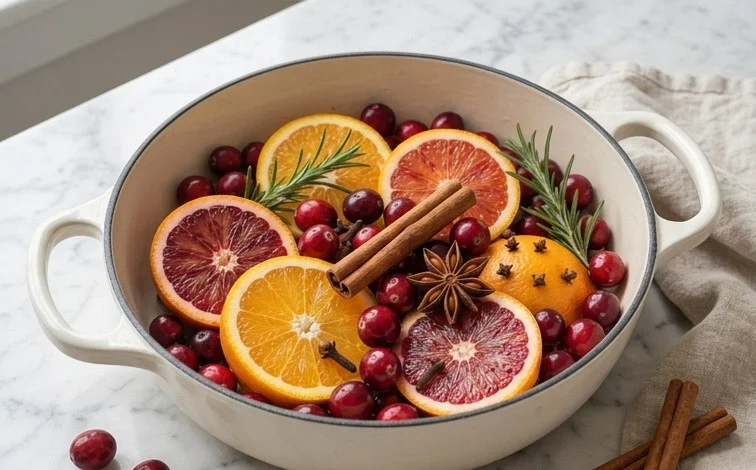
Christmas potpourri has a way of transforming a house into a cozy, festive wonderland with just a few simple ingredients. The warm, inviting aroma that wafts through the air is instantly recognizable and deeply comforting, a signature scent of the holiday season. Making your own allows you to control the fragrance, ensuring it’s exactly to your liking, and it’s surprisingly simple to do. Forget those artificial air fresheners; this natural approach fills your home with a genuine, delightful perfume.
Ingredients:
- 1½ cups Fresh Cranberries (or dried)
- 4 – 5 slices Dried Oranges
- 3 – 4 Cinnamon Sticks
- 2 sprigs Rosemary (or pine)
- 1 Vanilla Bean (halved and split)
- 2 Star Anise
- 1 tablespoon Cardamom Seeds
- 2 teaspoons Whole Cloves
Making Your Christmas Potpourri
This process is more about simmering than active cooking, making it a perfect hands-off project while you’re busy with other holiday preparations. The key is to allow the heat to gently release the fragrant oils from each component.
Step 1: Prepare Your Base and Citrus
Begin by gathering all your ingredients. If you’re using fresh cranberries, give them a quick rinse under cool water and pat them dry gently. This helps remove any dust or debris. For the dried orange slices, ensure they are thoroughly dehydrated. If yours seem a bit soft or leathery, you can lay them out on a baking sheet and pop them in a very low oven (around 200°F or 95°C) for about 15-20 minutes to crisp them up. This step isn’t strictly necessary, but it helps release their citrusy scent more effectively.
Step 2: Combine the Spices and Aromatics
Next, take your cinnamon sticks and break them into smaller, manageable pieces if they are very long. This exposes more surface area for the scent to escape. Add these to your pot. Now, prepare the vanilla bean by carefully slicing it lengthwise. You can do this with a sharp knife or even the tip of a paring knife. Once split, scrape out the tiny seeds inside if you like, or simply add the split bean halves to the pot. The bean itself will impart its sweet, comforting aroma. Add the star anise, cardamom seeds, and whole cloves to the pot. The cardamom seeds, in particular, have a wonderfully pungent and slightly sweet scent that complements the other spices beautifully.
Step 3: Add the Fresh Elements and Water
Now, introduce the cranberries and the sprigs of rosemary or pine. If you’re using rosemary, the needles will release a fresh, slightly piney fragrance that cuts through the sweetness of the other ingredients. Pine sprigs, if available and cleaned, offer a more traditional, woodsy Christmas scent. Finally, add the dried orange slices. Pour in enough water to generously cover all the ingredients. I usually start with about 4-6 cups of water, depending on the size of my pot. You want everything to be submerged so the heat can circulate and draw out the essential oils.
Step 4: Gentle Simmering for Maximum Fragrance
Place your pot on the stovetop over medium-high heat and bring the mixture to a gentle boil. Once it reaches a boil, immediately reduce the heat to the lowest possible setting. You want the liquid to be just barely simmering, with only a few tiny bubbles rising to the surface occasionally. A rolling boil will cause the water to evaporate too quickly and can also cook down the ingredients too much, diminishing their fragrance. The goal is a slow, steady release of aroma. Keep the lid off the pot to allow the scent to diffuse into your home.
Step 5: Maintaining the Aroma and Replenishing
This is where the magic happens. Let the potpourri simmer for as long as you desire, checking the water level periodically. As the water evaporates, the scent will become more concentrated. If the water level gets too low, simply add more cool water to keep the ingredients submerged and continue the gentle simmer. You can let this simmer for several hours. For an all-day fragrance, you can even start it in the morning and let it go until you’re ready to go to bed. Be sure to turn off the heat completely before leaving the house or going to sleep. The ingredients can be strained and discarded after a few days, or if you prefer, you can refrigerate them in an airtight container and reuse them by adding fresh water and continuing the simmering process for a few more days. The scent will gradually fade, but you can often get a good week of fragrance from a single batch with regular topping up of water. For an extra burst of scent, you can always add a few more fresh cranberries or a slice of orange when you top up the water.
Conclusion:
Bringing the scent of Christmas into your home with this homemade potpourri is a simple yet incredibly rewarding tradition. It’s a natural way to create a warm and inviting atmosphere that friends and family will notice and appreciate. The blend of spices, citrus, and botanicals offers a complex and comforting aroma that truly embodies the spirit of the season. This Christmas potpourri recipe is a testament to how simple, natural ingredients can create such a profound sensory experience. Consider making a batch for yourself and perhaps a few jars as thoughtful, handmade gifts for loved ones. They’re perfect for anyone who enjoys a festive home environment.
Frequently Asked Questions:
How long does the potpourri scent last?
The fragrance can last for several days, depending on how often you simmer it. As the water evaporates, the scent will become less intense. You can refresh it by adding a little more water and gently reheating. You can also add a few extra drops of essential oils like cinnamon or clove if you want to boost the aroma after a few days.
Can I reuse the potpourri ingredients?
Yes, you can definitely reuse the ingredients for a few simmering sessions. Once the scent starts to fade significantly, you can compost the used ingredients. They’ve done their job creating a beautiful fragrance for your home!
What if I don’t have all the ingredients?
You can certainly make substitutions. If you don’t have star anise, more cloves or cinnamon sticks can be used. For rosemary, a sprig of pine or even bay leaves can work. The goal is a blend of warm spices and aromatic botanicals.
Christmas Potpourri Recipe
Create a festive and aromatic atmosphere with this easy Christmas potpourri recipe, perfect for the holiday season. This recipe uses natural ingredients for a delightful scent.
Ingredients
-
1½ cups Fresh Cranberries (or dried)
-
4 – 5 slices Dried Oranges
-
3 – 4 Cinnamon Sticks
-
2 sprigs Rosemary
-
1 Vanilla Bean (halved and split)
-
2 Star Anise
-
1 tablespoon Cardamom Seeds
-
2 teaspoons Whole Cloves
Instructions
-
Step 1
Combine all ingredients in a large pot. -
Step 2
Add enough water to generously cover the ingredients. -
Step 3
Bring the mixture to a simmer over medium heat. -
Step 4
Reduce heat to low and let it gently simmer for 30 minutes, allowing the aromas to release. -
Step 5
Turn off the heat and let the potpourri cool slightly. The scent will continue to fill your home. -
Step 6
To refresh the scent, simply add more water and simmer again. You can also add a few drops of essential oil if desired.
Important Information
Nutrition Facts (Per Serving)
It is important to consider this information as approximate and not to use it as definitive health advice.
Allergy Information
Please check ingredients for potential allergens and consult a health professional if in doubt.



Leave a Comment