
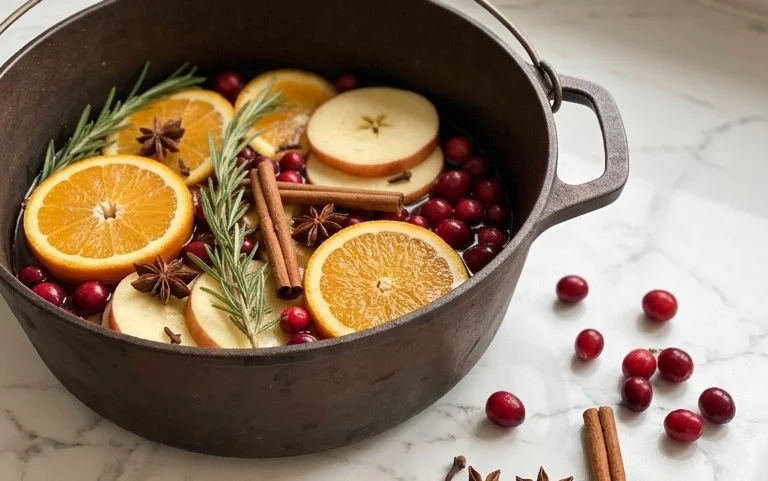
Autumn potpourri recipes using stovetop simmer pots are a wonderful way to welcome the cooler weather. The moment you start simmering, a gentle warmth spreads through your home, carrying scents of spice and earth. It’s more engaging than a bowl of dried potpourri because the steam actively carries the fragrance. This method fills your entire living space with an immersive aroma, making it feel cozy and inviting. People love stovetop potpourri because it’s a natural, chemical-free alternative to artificial air fresheners and it’s incredibly customizable. You can tailor the scents to your exact preferences, creating a personal autumn ambiance. This practice connects us to the season in a sensory way, a delightful ritual that signals the transition from summer. The simple act of chopping ingredients and watching them release their perfume is incredibly grounding and satisfying, a perfect antidote to busy modern life. Autumn potpourri recipes like these are a mindful way to enjoy the season’s bounty.
Autumn Potpourri Recipes: Stovetop Simmer Pot Blends for Fall
The crisp air of autumn brings with it a desire to fill our homes with warm, inviting scents. Nothing does this better than a stovetop simmer pot, a gentle way to infuse your living space with the essence of the season. Unlike dry potpourri that sits in a bowl, a simmer pot uses water to release fragrant steam, creating an immediate and enveloping aroma. It’s a simple, natural way to enjoy the smells of fall, from spiced apples to earthy woods.
Simmer Pot vs Bowl Potpourri: What’s the Difference
The main difference between a stovetop simmer pot and a traditional bowl potpourri lies in the method of scent release. Bowl potpourri, usually a dry mix of flowers, spices, and sometimes essential oils, releases its fragrance passively into the air over time. It’s decorative and offers a subtle, consistent scent. A stovetop simmer pot, on the other hand, involves heating ingredients with water in a pot on the stove. This process actively releases aromatic steam, quickly filling your home with a strong, immersive fragrance. It’s more dynamic and offers a more immediate sensory experience.
How to Make a Basic Stovetop Simmer Pot
Creating a simmer pot is incredibly straightforward. You’ll need a pot, some water, and your chosen aromatic ingredients. The process is forgiving, and the beauty of it is its simplicity. You don’t need to be a seasoned cook to achieve wonderful results.
Choosing Fresh vs Dried Ingredients
Both fresh and dried ingredients work beautifully in simmer pots. Fresh ingredients, like citrus peels or apple slices, offer a brighter, more vibrant aroma. Dried ingredients, such as cinnamon sticks, star anise, and whole cloves, tend to release a deeper, more concentrated scent. Often, a combination of both provides the most complex and satisfying fragrance. When using fresh items, make sure they are clean and free from any blemishes. For dried items, ensure they are still fragrant; if they’ve been sitting in your pantry for years, they might have lost their potency.
5 Simmer Pot Recipes for Autumn
Here are five delightful blends to get you started on your autumn simmering journey:
Sweater Weather Spice
- 2 Cinnamon sticks
- 3 Star anise pods
- 1 tablespoon Whole cloves
- 1 Orange, sliced
- 1 Apple, sliced
Apple Orchard Bliss
- 2 Apples, cored and sliced (any variety, like Fuji or Honeycrisp)
- 3 Cinnamon sticks
- 1 teaspoon Nutmeg, freshly grated or ground
- 2 tablespoons Maple syrup
- 1 strip Orange peel
Maple Cranberry Woods
- 1 cup Fresh or frozen cranberries
- 2 Cinnamon sticks
- 1 tablespoon Allspice berries
- 1 strip Lemon peel
- 2 tablespoons Maple syrup
Cozy Cabin Breeze
- 3 Cinnamon sticks
- 2 Bay leaves
- 1 Rosemary sprig
- 1 Orange, sliced
- 1 teaspoon Juniper berries (optional, for a woodsy note)
Chai Spice Delight
- 4 Cinnamon sticks
- 5 Cardamom pods, lightly crushed
- 5 Whole cloves
- 2 Star anise pods
- 1 slice Fresh ginger
- 1 teaspoon Black peppercorns
Mixing and Matching: Build Your Own Blend
The beauty of simmer pots is their adaptability. Feel free to experiment and create your own signature autumn scents. Start with a base of water in your pot. Then, add a few core warming spices like cinnamon sticks, cloves, or star anise. From there, you can introduce citrus peels (orange, lemon, grapefruit), dried fruits (apple slices, cranberries), herbs (rosemary, thyme), or even a few drops of vanilla extract. The key is to have fun and find combinations that appeal to your senses. Consider what aromas you associate most with autumn and try to replicate them.
Slow Cooker and Wax Warmer Alternatives
If you don’t want to tie up your stovetop, a slow cooker or a wax warmer can also be used. For a slow cooker, simply add your ingredients and water, and set it to low. This provides a more consistent and long-lasting fragrance, ideal for entertaining or keeping your home smelling lovely all day. For wax warmers, use a small amount of water and a few select ingredients, being mindful not to overcrowd the dish. This is great for smaller spaces or for a more subtle aroma.
Keeping Your Simmer Pot Safe
Safety is paramount when simmering. Always use a pot with sufficient water to cover your ingredients. Never leave a simmering pot unattended. It’s also important to check the water level periodically and add more as needed to prevent the pot from boiling dry. Ensure the simmer pot is placed on a stable surface away from flammable materials. If you have pets or young children, place the simmer pot out of reach.
Turning a Simmer Pot Into a Gift
A simmer pot blend makes a wonderfully thoughtful and fragrant gift. Gather your chosen dry ingredients for a specific recipe and place them in a decorative jar or a pretty sachet bag. Attach a tag with the recipe instructions, including the amount of water needed and whether to use fresh or dried ingredients. You can even include a small orange or apple with the gift, suggesting the recipient add it fresh for an extra burst of aroma.
How Long a Batch Lasts and Storing Leftovers
A batch of simmer pot ingredients can typically be used for 2-3 days, as long as you maintain the water level and the ingredients remain fragrant. After the first day, you can strain the liquid and store it in the refrigerator. To reuse, simply pour the liquid back into the pot, add fresh water, and bring to a simmer. Discard the ingredients once they lose their scent or start to look unappealing. If you’re not planning to reuse them immediately, you can store the dry ingredients in an airtight container in a cool, dark place for up to six months.
Prefer Essential Oils Instead?
While this article focuses on natural, whole ingredients for a stovetop simmer pot, essential oils can also be used. If you choose this route, add just a few drops (3-5) of high-quality, pure essential oils to your simmering water. Popular choices for autumn include cinnamon, clove, orange, cedarwood, and frankincense. Be aware that essential oils are highly concentrated, and using too much can create an overwhelming or even irritating scent. Always ensure the essential oils you use are safe for diffusion and inhalation.

Conclusion:
Creating your own Autumn potpourri with stovetop simmer pots is a simple yet deeply satisfying way to embrace the fall season. The process is forgiving, and the results are immediate, filling your home with natural, warm fragrances. Experimenting with different combinations of spices, fruits, and aromatics is part of the fun. Whether you’re hosting guests or enjoying a quiet evening in, a simmer pot creates an instantly welcoming atmosphere. Consider trying a blend with dried cranberries and orange peels for a festive touch, or go for a more woodsy scent with cedar chips and cinnamon. These blends are not just for the stovetop; the cooled liquid can be used to water houseplants, giving them a subtle autumnal fragrance too. Don’t be afraid to adjust quantities or add personal favorites. Autumn potpourri recipes are all about creating your own signature scent of the season.
Frequently Asked Questions
Can I leave a simmer pot on all day?
It’s not recommended to leave a simmer pot unattended or on for extended periods, especially overnight. Always ensure there is enough water in the pot and check it regularly. A few hours at a time is generally safe and effective for scenting your home.
What are the best spices for fall simmer pots?
Classic fall spices include cinnamon sticks, whole cloves, star anise, nutmeg, and cardamom pods. Fresh ingredients like apple slices, orange peels, and cranberries also add wonderful aroma and color. For a woodsy scent, consider pine or fir needles, or small pieces of cedarwood.
Can I reuse simmer pot ingredients?
Yes, you can often reuse simmer pot ingredients for a second or even third use, especially if you add fresh water and a few new aromatic items. The scent may be less intense with subsequent uses, but it’s a great way to get more life out of your ingredients.
Autumn Potpourri Recipes: Stovetop Simmer Pot Blends for Fall
Create cozy fall aromas with these easy stovetop simmer pot recipes. Perfect for Sweater Weather Spice, Apple Orchard Bliss, Maple Cranberry Woods, Cozy Cabin Breeze, and Chai Spice Delight.
Ingredients
-
Orange slices (fresh or dried)
-
Cinnamon sticks
-
Whole cloves
-
Star anise
-
Apple slices (fresh or dried)
-
Cranberries (fresh or dried)
-
Maple syrup
-
Vanilla extract
-
Ginger slices (fresh or dried)
-
Cardamom pods
Instructions
-
Step 1
Fill a small saucepan or pot with water, leaving enough room for ingredients and evaporation. -
Step 2
Add your chosen ingredients to the water. For example, combine orange slices, cinnamon sticks, and cloves for a classic scent. -
Step 3
Bring the mixture to a gentle simmer over low heat. Do not boil. -
Step 4
Allow the potpourri to simmer, replenishing the water as needed to prevent the pot from drying out. -
Step 5
Continue simmering for as long as desired, typically 1-2 hours, to release the fragrant aromas throughout your home. -
Step 6
Once finished, allow the mixture to cool completely before discarding or storing.
Important Information
Nutrition Facts (Per Serving)
It is important to consider this information as approximate and not to use it as definitive health advice.
Allergy Information
Please check ingredients for potential allergens and consult a health professional if in doubt.


Leave a Comment