
Puerto Rican Coquito Recipe | Puerto Rican Nog Coquito is a creamy, spiced coconut-based drink that is a staple during the holiday season in Puerto Rico. It’s a rich, sweet, and comforting beverage that can be enjoyed by everyone. My family starts making it the moment Thanksgiving is over, and we keep it chilled in the refrigerator throughout December and into January. The magic of coquito lies in its simplicity and the warming spices that make it so festive. This recipe uses ingredients readily available in most supermarkets and skips any non-alcoholic alternative, making it a perfect, inclusive treat for any gathering. The secret is in the blend of milks and the gentle infusion of spices. Ingredients: 1 can (14 ounces) sweetened condensed milk 2 cans (12 ounces each) evaporated milk 1 can (13.5 ounces) full-fat coconut milk 1 teaspoon vanilla extract 1/2 teaspoon ground nutmeg, plus more for garnish 5 whole cinnamon sticks 1 teaspoon ground cinnamon, plus more for garnish 1/4 teaspoon salt 2 1/2 cups white apple juice Preparing the Infusion The first step in making truly flavorful coquito is to infuse the milks with cinnamon. We start by combining the milks and spices. In a medium saucepan, pour in the evaporated milk, sweetened condensed milk, and the full-fat coconut milk. Make sure to use full-fat coconut milk; the lighter versions won’t give you the same creamy texture that makes coquito so special. Add the whole cinnamon sticks to the saucepan. These will release their fragrant oils as the mixture heats. Bring the mixture to a gentle simmer over medium-low heat, stirring occasionally to prevent scorching. You want it to warm through and for the cinnamon sticks to begin infusing their flavor, but not to boil vigorously. Let this mixture simmer for about 10 minutes, allowing the cinnamon to work its magic. This gentle heating process is key to developing the depth of flavor in your coquito. After simmering, remove the saucepan from the heat. Carefully remove and discard the whole cinnamon sticks. They have now imparted their aroma and taste to the milky base. Let the infused milk mixture cool slightly before proceeding to the next step. This prevents the spices from becoming bitter when you add the remaining ingredients.
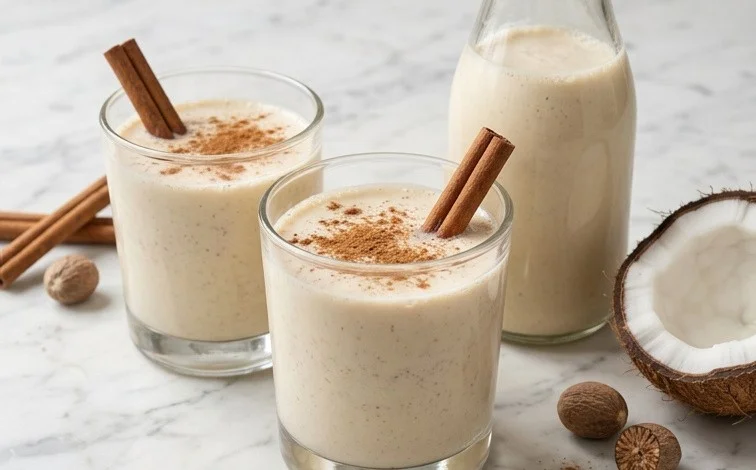
Puerto Rican Coquito Recipe | Puerto Rican Nog
Coquito is a creamy, spiced coconut-based drink that is a staple during the holiday season in Puerto Rico. It’s a rich, sweet, and comforting beverage that can be enjoyed by everyone. My family starts making it the moment Thanksgiving is over, and we keep it chilled in the refrigerator throughout December and into January. The magic of coquito lies in its simplicity and the warming spices that make it so festive. This recipe uses ingredients readily available in most supermarkets and skips any non-alcoholic alternative, making it a perfect, inclusive treat for any gathering. The secret is in the blend of milks and the gentle infusion of spices.
Ingredients:
- 1 can (14 ounces) sweetened condensed milk
- 2 cans (12 ounces each) evaporated milk
- 1 can (13.5 ounces) full-fat coconut milk
- 1 teaspoon vanilla extract
- 1/2 teaspoon ground nutmeg, plus more for garnish
- 5 whole cinnamon sticks
- 1 teaspoon ground cinnamon, plus more for garnish
- 1/4 teaspoon salt
- 2 1/2 cups white apple juice
Preparing the Infusion
The first step in making truly flavorful coquito is to infuse the milks with cinnamon. We start by combining the milks and spices. In a medium saucepan, pour in the evaporated milk, sweetened condensed milk, and the full-fat coconut milk. Make sure to use full-fat coconut milk; the lighter versions won’t give you the same creamy texture that makes coquito so special. Add the whole cinnamon sticks to the saucepan. These will release their fragrant oils as the mixture heats.
Next, stir in the ground nutmeg, ground cinnamon, and the salt. The salt might seem like an odd addition, but it actually helps to balance the sweetness and enhance all the other flavors. Whisk everything together gently to ensure the spices are well distributed.
Gentle Heating and Simmering
Now, place the saucepan over medium-low heat. We don’t want to boil this mixture; we’re aiming for a gentle warming and simmering process. Stir the mixture frequently with a whisk or wooden spoon to prevent any milk from scorching on the bottom of the pan. As it heats up, you’ll start to smell the wonderful aroma of cinnamon and nutmeg filling your kitchen. Let the mixture heat until it’s warm to the touch and just beginning to show tiny bubbles around the edges. This process should take about 10 to 15 minutes. The goal here is to allow the whole cinnamon sticks to infuse their flavor into the creamy liquid. A low and slow approach is best for maximum flavor extraction without damaging the delicate milk base.
Cooling and Resting
Once the mixture is warm and fragrant, remove the saucepan from the heat. Carefully take out the whole cinnamon sticks. You can discard them or, if you want an even stronger cinnamon flavor, you can let them steep for a little longer in the cooling mixture. Let the liquid cool down in the saucepan for about 30 minutes to an hour. It’s important to let it cool significantly before adding the apple juice. While it’s still warm, stir in the vanilla extract. Vanilla adds a lovely depth and complements the spices beautifully.
After the initial cooling, transfer the mixture to a large pitcher or a bowl. You can then place it in the refrigerator to chill completely. The longer it chills, the more the flavors will meld together. Ideally, let it chill for at least 4 hours, but overnight is even better for the flavors to fully develop. This resting period is essential for achieving that classic coquito taste.
Combining and Finalizing
Just before you’re ready to serve your coquito, it’s time to add the white apple juice. Gently stir the chilled milk mixture. Pour in the 2 1/2 cups of white apple juice and whisk everything together until it’s smooth and well combined. The apple juice adds a subtle sweetness and a slight tartness that balances the richness of the milks. It’s important to add the apple juice when everything is already chilled, as this prevents the mixture from thinning out too much.
Taste your coquito and adjust the sweetness or spices if needed. If you find it’s not sweet enough, you could add a little more sweetened condensed milk, but be careful not to make it overly sweet. If you want more spice, a tiny pinch more nutmeg or cinnamon can be added. Remember, the flavors will continue to meld as it chills further.
Serving and Storing
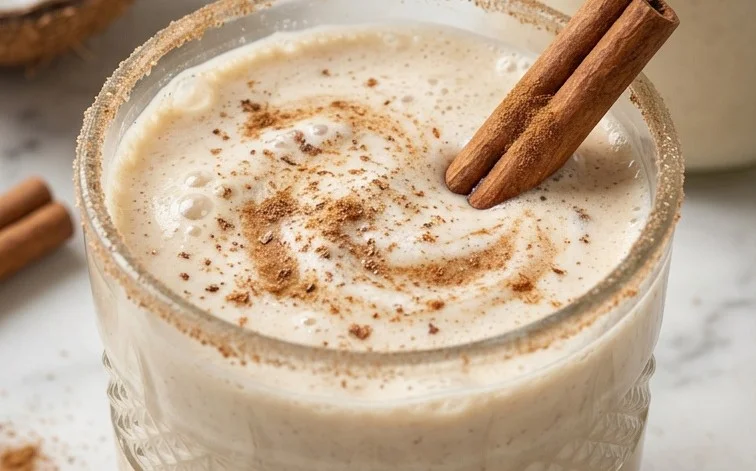
To serve, pour the coquito into small glasses or festive mugs. For an extra touch, you can garnish each serving with a sprinkle of ground cinnamon or a fresh grating of nutmeg. Coquito is best served ice cold. Keep any leftover coquito stored in a tightly sealed container or bottle in the refrigerator. It will stay fresh for about 5 to 7 days. Because this recipe is made without non-alcoholic alternative, it’s perfect for all ages to enjoy throughout the holiday season and beyond. Give it a good shake or stir before serving each time, as the natural ingredients might settle.
Conclusion:
This Puerto Rican Coquito recipe offers a taste of tradition and festive cheer, perfect for holiday gatherings or any time you crave a rich, comforting drink. Its creamy texture, balanced sweetness, and warm spice notes make it a beloved treat. The simplicity of the ingredients and the straightforward preparation mean anyone can make this delightful beverage. Serve it chilled in small glasses or mugs for a festive presentation. A sprinkle of ground nutmeg or cinnamon on top adds a beautiful finishing touch and extra aroma.
Serving Suggestions and Variations:
Coquito is best served very cold. You can prepare it a day or two in advance, allowing the flavors to meld even further. While this recipe is traditionally made with coconut milk, some people enjoy adding a splash of pure vanilla extract or even a touch of almond extract for a different nutty note. For those who prefer a thicker consistency, you can simmer the mixture a bit longer, or even add a small amount of cornstarch slurry at the end of the heating process, though this is not traditional. Ensure you whisk it well if you add cornstarch.
Frequently Asked Questions:
How long does coquito last?
When stored in an airtight container in the refrigerator, this non-alcoholic Puerto Rican Coquito will keep well for about 7 to 10 days. Always ensure it is kept chilled.
Can I make coquito ahead of time?
Absolutely! Coquito is actually better when made a day or two in advance, as the flavors have more time to deepen and meld together. Just make sure to give it a good shake or stir before serving, as the ingredients can separate slightly.
What makes coquito so creamy?
The creaminess comes from the combination of evaporated milk, sweetened condensed milk, and full-fat coconut milk. Using full-fat coconut milk is essential for achieving that rich, velvety texture that defines authentic coquito.
Puerto Rican Coquito Recipe | Puerto Rican Nog
A classic, creamy, and non-alcoholic Puerto Rican Coquito, perfect for festive occasions. This recipe substitutes traditional apple juice with apple juice for a family-friendly version.
Ingredients
-
1 can (14 ounce) sweetened condensed milk
-
2 cans (12 ounce each) evaporated milk
-
1 can (13.5 ounce) full-fat coconut milk
-
1 teaspoon vanilla extract
-
1/2 teaspoon ground nutmeg
-
5 cinnamon sticks
-
1 teaspoon ground cinnamon
-
1/4 teaspoon salt
-
2 1/2 cups white apple juice
Instructions
-
Step 1
Combine condensed milk, evaporated milk, coconut milk, vanilla extract, ground nutmeg, ground cinnamon, salt, and white apple juice in a blender. -
Step 2
Add the cinnamon sticks to the blender. -
Step 3
Blend on high speed until smooth and well combined, about 2-3 minutes. -
Step 4
Pour the mixture into a large pitcher or jug. Discard the cinnamon sticks. -
Step 5
Refrigerate for at least 2 hours, or preferably overnight, to allow flavors to meld. -
Step 6
Stir well before serving. Serve chilled in small glasses, optionally garnished with a sprinkle of cinnamon or a cinnamon stick.
Important Information
Nutrition Facts (Per Serving)
It is important to consider this information as approximate and not to use it as definitive health advice.
Allergy Information
Please check ingredients for potential allergens and consult a health professional if in doubt.

Leave a Comment