Fresh basil pesto is one of those kitchen staples that can transform a simple meal into something special. I love making a big batch when basil is at its peak during the summer months, and then freezing portions for use all year round. This recipe focuses on achieving a bright, herbaceous flavor and a wonderfully smooth texture, with tips to help you get the absolute best results every time. Ingredients: Fresh Basil Leaves : 2 packed cups (about 4 ounces). Make sure they are fresh and fragrant. Garlic Cloves : 2-3, depending on your preference. Start with 2 and add more if you like a stronger garlic flavor. Pine Nuts : 1/4 cup. These are traditional and add a lovely, creamy richness. Parmesan Cheese : 1/2 cup, finely grated. Use good quality Parmigiano-Reggiano for the best flavor. Extra Virgin Olive Oil : 1/2 cup, plus more if needed. A good quality olive oil makes a noticeable difference here. Lemon Juice : 1 teaspoon, or to taste. This brightens the flavors and helps preserve the color. Salt : 1/4 teaspoon, or to taste. Black Pepper : A pinch, freshly ground. Making the Pesto Toasting the Pine Nuts Before you begin, I highly recommend toasting your pine nuts. This step is quick but makes a significant difference in flavor. Place the pine nuts in a dry skillet over medium-low heat. Stir them constantly for about 3-5 minutes until they are lightly golden and fragrant. Be very careful, as they can burn quickly. Once toasted, immediately transfer them to a plate to cool. This prevents them from continuing to cook and becoming bitter. Blending the Pesto Now, combine the toasted pine nuts, garlic, Parmesan cheese, and salt in the bowl of a food processor. Pulse a few times until everything is roughly chopped. With the food processor running, slowly drizzle in the olive oil. Continue to process until the mixture is smooth and well combined. You might need to stop and scrape down the sides of the bowl a few times. Stir in the lemon juice and black pepper. Taste and adjust seasoning if needed. If the pesto seems too thick, you can add a little more olive oil, a tablespoon at a time, until it reaches your desired consistency. For a smoother texture, you can process it for a minute longer. A food processor makes quick work of this, but you can also make pesto in a mortar and pestle if you have the time and inclination. It takes more effort but some say it yields a superior texture. I find the food processor is perfectly adequate for my needs. Aim for a consistency that is spreadable but not watery. The goal is a cohesive sauce, not an oily liquid.
The Very Best Basil Pesto Recipe And Tips
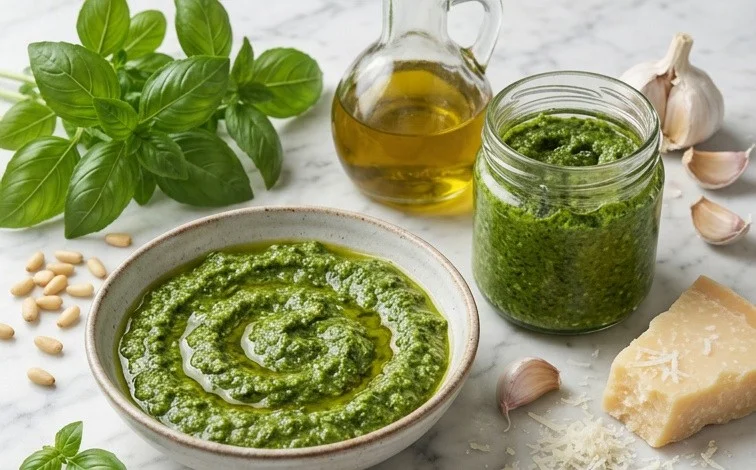
Fresh basil pesto is one of those kitchen staples that can transform a simple meal into something special. I love making a big batch when basil is at its peak during the summer months, and then freezing portions for use all year round. This recipe focuses on achieving a bright, herbaceous flavor and a wonderfully smooth texture, with tips to help you get the absolute best results every time.
Ingredients:
- Fresh Basil Leaves: 2 packed cups (about 4 ounces). Make sure they are fresh and fragrant.
- Garlic Cloves: 2-3, depending on your preference. Start with 2 and add more if you like a stronger garlic flavor.
- Pine Nuts: 1/4 cup. These are traditional and add a lovely, creamy richness.
- Parmesan Cheese: 1/2 cup, finely grated. Use good quality Parmigiano-Reggiano for the best flavor.
- Extra Virgin Olive Oil: 1/2 cup, plus more if needed. A good quality olive oil makes a noticeable difference here.
- Lemon Juice: 1 teaspoon, or to taste. This brightens the flavors and helps preserve the color.
- Salt: 1/4 teaspoon, or to taste.
- Black Pepper: A pinch, freshly ground.
Making the Pesto
Toasting the Pine Nuts
Before you begin, I highly recommend toasting your pine nuts. This step is quick but makes a significant difference in flavor. Place the pine nuts in a dry skillet over medium-low heat. Stir them constantly for about 3-5 minutes until they are lightly golden and fragrant. Be very careful, as they can burn quickly. Once toasted, immediately remove them from the skillet and let them cool completely. This prevents them from continuing to cook and become bitter.
Preparing the Basil and Garlic
Wash your basil leaves thoroughly and dry them very well. Excess water can dilute the flavor and affect the texture. A salad spinner is excellent for this, followed by a gentle pat with paper towels. Peel your garlic cloves. If you find raw garlic too potent, you can briefly blanch the cloves in boiling water for about 30 seconds, then drain and dry them. This mellows the harshness without losing its essential flavor.
The Blending Process
You have a couple of options for blending: a food processor or a mortar and pestle.
Using a Food Processor
This is the quickest and easiest method. Add the toasted pine nuts and garlic cloves to the bowl of your food processor. Pulse a few times until they are finely chopped. Next, add the dried basil leaves. Process until the basil is finely chopped, scraping down the sides of the bowl as needed. With the processor running on low, slowly drizzle in the olive oil until the pesto is well combined and has a smooth, pourable consistency. You might not need all the oil, or you might need a tiny bit more, depending on how much the basil has compacted. Finally, add the grated Parmesan cheese, lemon juice, salt, and pepper. Pulse a few more times to incorporate everything. Taste and adjust seasonings if necessary. If it seems a little too thick, you can add another tablespoon of olive oil and pulse again.
Using a Mortar and Pestle
This method, while more labor-intensive, is the traditional way and some believe it yields a superior texture and flavor by gently bruising the basil leaves rather than chopping them. Start by pounding the garlic cloves with a pinch of salt in the mortar until they form a paste. Add the toasted pine nuts and continue to pound and grind until you have a coarse paste. Add the basil leaves a handful at a time, grinding and crushing them against the sides of the mortar. Once all the basil is incorporated and forms a rough paste, gradually stir in the grated Parmesan cheese. Finally, slowly drizzle in the olive oil, stirring and working it into the mixture until you achieve a pesto-like consistency. Season with lemon juice, salt, and pepper to taste.
Tips for the Best Pesto
- Basil Quality Matters: Use the freshest, most fragrant basil you can find. Avoid any bruised or wilted leaves.
- Don’t Over-Process: If using a food processor, avoid over-processing the basil, which can make the pesto turn brown and develop a bitter taste. Pulse until just combined.
- The Role of Lemon Juice: The lemon juice is not just for tang; it also acts as a natural preservative, helping to keep the pesto a beautiful green color by preventing oxidation.
- Cheese Choice: While Parmesan is classic, you can also experiment with Pecorino Romano for a sharper, saltier flavor.
- Nut Alternatives: If you can’t find pine nuts or have an allergy, walnuts or almonds (blanched and peeled) can be used as substitutes, though they will alter the flavor slightly.
Storing Your Pesto
Once your pesto is made, it’s best to use it fresh. However, it stores well. Transfer the pesto to an airtight container. To prevent browning from air exposure, pour a thin layer of olive oil over the surface of the pesto before sealing the container. It will keep in the refrigerator for about 5-7 days. For longer storage, you can freeze pesto. Spoon it into ice cube trays and freeze until solid, then transfer the pesto cubes to a freezer bag. This allows you to easily thaw just the amount you need. You can also freeze it in small jars. When thawing frozen pesto, it’s best to bring it to room temperature or gently warm it.
Conclusion:
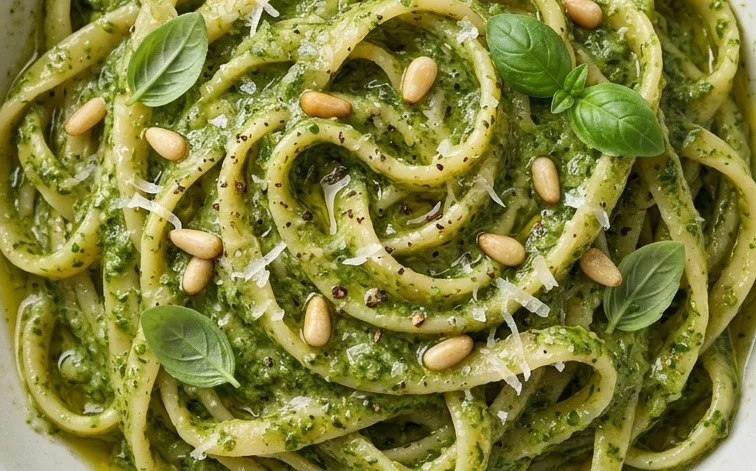
Making fresh basil pesto at home is incredibly rewarding. This recipe delivers a bright, herbaceous sauce that can genuinely transform your meals. It’s so much better than store-bought, and you control the quality of the ingredients. Whether you’re tossing it with pasta, spreading it on a sandwich, or using it as a dip, this basil pesto is a versatile star. Don’t be afraid to adjust the garlic, lemon, or salt to suit your taste. Making a big batch and freezing it means you’ll have this wonderful flavor on hand all winter long. Give this The Very Best Basil Pesto Recipe a try; I promise you won’t regret it. It’s a simple pleasure that makes everyday cooking feel a bit more special.
Frequently Asked Questions:
How do I store fresh pesto?
Store your homemade pesto in an airtight container in the refrigerator for up to a week. To keep the color bright and prevent browning, press a layer of plastic wrap directly onto the surface of the pesto before sealing the container. You can also freeze pesto in ice cube trays for small, convenient portions, or in larger containers or freezer bags for longer storage (up to 3 months). Just make sure to thaw it completely before using.
Can I use different nuts instead of pine nuts?
Absolutely! While pine nuts are traditional and offer a unique creamy texture, you can easily substitute them with other nuts. Walnuts or almonds are excellent alternatives. For walnuts, toast them similarly to pine nuts until fragrant, and for almonds, you can use slivered or blanched almonds, toasting them as well. Pecans also work well. Each nut will lend a slightly different flavor profile, so feel free to experiment.
How can I make pesto without a food processor?
You can definitely make pesto using a mortar and pestle. It requires more physical effort but is a time-honored method. Start by pounding the garlic and salt into a paste, then add the toasted nuts and grind them. Gradually incorporate the cheese and then slowly drizzle in the olive oil, pounding and stirring until you achieve a smooth consistency. This manual method can create a wonderfully textured pesto.
The Very Best Basil Pesto Recipe And Tips
A classic basil pesto recipe that’s incredibly versatile and flavorful, perfect for pasta, sandwiches, and more. Includes tips for achieving the best results.
Ingredients
-
2 cups fresh basil leaves, packed
-
1/2 cup grated Parmesan cheese
-
1/4 cup pine nuts
-
2 cloves garlic, minced
-
1/2 cup extra virgin olive oil
-
Salt, to taste
-
Black pepper, to taste
Instructions
-
Step 1
Toast the pine nuts in a dry skillet over medium heat until lightly golden and fragrant. Let cool. -
Step 2
Combine basil leaves, toasted pine nuts, minced garlic, and grated Parmesan cheese in a food processor. -
Step 3
Pulse until the ingredients are finely chopped and well combined. -
Step 4
With the food processor running, slowly drizzle in the extra virgin olive oil until the pesto is smooth and emulsified. You may need to scrape down the sides of the bowl a few times. -
Step 5
Season with salt and freshly ground black pepper to taste. Adjust seasonings as needed. -
Step 6
For a smoother pesto, add a tablespoon or two of water and pulse again.
Important Information
Nutrition Facts (Per Serving)
It is important to consider this information as approximate and not to use it as definitive health advice.
Allergy Information
Please check ingredients for potential allergens and consult a health professional if in doubt.



Leave a Comment