
Mustard Braised Cabbage is one of those dishes that makes a weeknight dinner feel a little more special without any fuss. It’s remarkable how transforming humble green cabbage into something tender and packed with flavor is so straightforward. I love how the mustard cuts through the richness, giving it a pleasant tang. This recipe relies on pantry staples, so it’s always a go-to when I need a satisfying side. The process itself is quite soothing; the gentle sizzle and the savory, slightly sharp aroma of mustard filling the kitchen make cooking enjoyable. A big batch is always a good idea because the flavors deepen beautifully overnight, making leftovers a real treat. This Mustard Braised Cabbage is proof that simple ingredients can create something truly memorable, perfect for pairing with roasted meats or hearty stews.
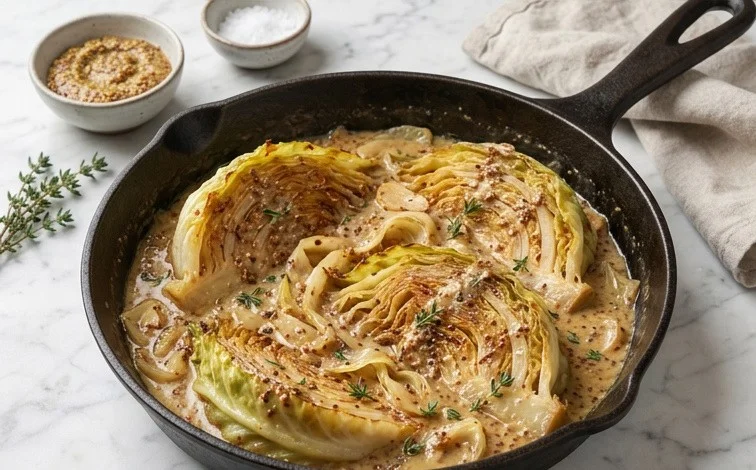
Mustard Braised Cabbage
This Mustard Braised Cabbage recipe is a weeknight wonder. It takes humble cabbage and transforms it into something incredibly flavorful and tender, with a subtle tang from the mustard that cuts through the richness. It’s the kind of side dish that can make a simple meal feel special. The beauty of this dish is its simplicity; it relies on common pantry staples to create a deeply satisfying result. I often make a big batch because the leftovers are just as delicious, if not better, the next day, as the flavors have more time to meld. The aroma that fills your kitchen as it cooks is also quite inviting, a gentle, savory scent with a hint of mustard.
Ingredients:
- 4 tablespoons unsalted butter or olive oil
- 1 medium head green cabbage, sliced
- 1 medium white onion, sliced
- 4-5 cloves garlic, minced
- 2 1/2 cups broth, vegetable or chicken
- 1/2 cup mustard, any kind
- 1 teaspoon kosher salt
Cooking Instructions
Step 1: Preparing the Aromatics and Cabbage
The first step is to get our aromatics going and prepare the cabbage. Take your medium head of green cabbage and cut it into quarters, remove the tough core, and then slice it into about half-inch wide ribbons. Don’t worry about perfect uniformity; some variation is good. Next, peel and slice your medium white onion. You’ll also want to mince your garlic cloves. Having everything prepped and ready to go makes the cooking process smooth and enjoyable, preventing any frantic chopping mid-cook. This mise en place, as the chefs call it, is a simple habit that makes a big difference in the kitchen.
Step 2: Sautéing the Onions and Garlic
In a large pot or Dutch oven, melt your 4 tablespoons of unsalted butter or heat your olive oil over medium heat. Once the butter is melted and lightly foaming, or the oil is shimmering, add the sliced white onion. We want to cook the onions until they are softened and starting to turn translucent, which usually takes about 5-7 minutes. Stir them occasionally. Once the onions are softened, add the minced garlic. Cook the garlic for just about 1 minute more, until it’s fragrant. Be careful not to burn the garlic, as burnt garlic can impart a bitter taste to the dish. If you see it browning too quickly, reduce the heat slightly.
Step 3: Adding the Cabbage and Beginning the Braise
Now it’s time to add the sliced cabbage to the pot. It will look like a lot of cabbage, but it will cook down significantly. Add all of the sliced cabbage to the pot with the softened onions and garlic. Stir it around for a few minutes to let it start to wilt slightly from the heat. Once the cabbage has softened a bit, pour in your 2 1/2 cups of broth (either vegetable or chicken broth works well here; use what you have on hand). Then, whisk your 1/2 cup of mustard directly into the broth in the pot. I find that using a Dijon mustard gives a nice sharpness, but a yellow mustard or even a grainy mustard will also work, offering slightly different flavor profiles. Stir everything together well to ensure the mustard is evenly distributed. Add the 1 teaspoon of kosher salt at this stage as well. Give it another good stir.
Step 4: Simmering and Tenderizing
Once everything is combined, bring the liquid to a gentle simmer. Once it’s simmering, reduce the heat to low, cover the pot tightly, and let the cabbage braise. This is where the magic happens. We want to cook it until the cabbage is very tender. This typically takes about 25-35 minutes, but it can vary depending on how thinly you sliced your cabbage and the type of pot you are using. Check it occasionally, giving it a stir, and make sure it isn’t drying out. If it seems too dry, you can add another splash of broth or water. The goal is for the cabbage to be fork-tender and for most of the liquid to have been absorbed or evaporated, leaving a delicious, slightly thickened sauce.
Step 5: Finishing and Serving
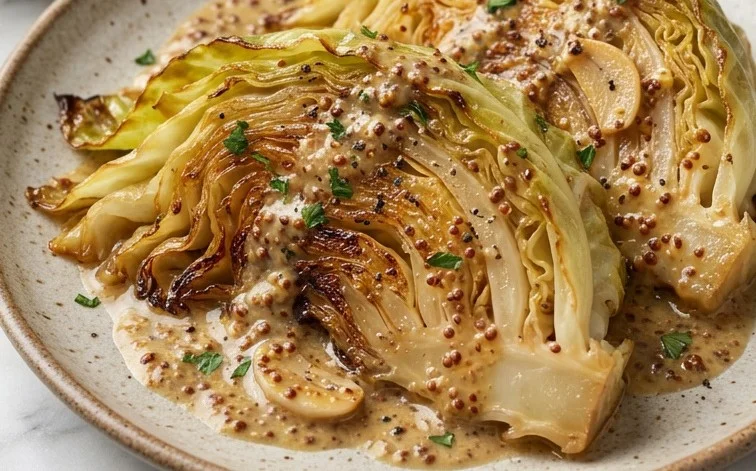
After the braising time, uncover the pot and give the cabbage a final stir. Taste it and adjust the seasoning if necessary. You might want a little more salt, or perhaps a crack of black pepper if you like. The mustard should have mellowed and infused the cabbage beautifully. If there’s a little too much liquid for your liking, you can let it simmer uncovered for a few more minutes on medium-low heat to allow some of it to reduce. Serve the Mustard Braised Cabbage hot. It’s a wonderful accompaniment to roasted meats, grilled chicken, or even beef sausages. It also holds up well as a side for vegetarian main courses. If you have any leftovers, store them in an airtight container in the refrigerator for up to 3-4 days. Reheating is best done gently on the stovetop or in the microwave.
Conclusion:
Mustard Braised Cabbage truly is a weeknight wonder, transforming simple cabbage into a tender, flavorful side dish with a delightful tang. Its simplicity, relying on common ingredients, makes it accessible for any cook, and the depth of flavor it develops is impressive. I always make extra because the leftovers are fantastic. It pairs wonderfully with so many main courses, from roasted chicken or beef to beef chops or even a hearty lentil loaf for a vegetarian option. Don’t hesitate to give this Mustard Braised Cabbage a try; you’ll be surprised by how much you love it.
Frequently Asked Questions
What kind of mustard should I use?
You can use almost any kind of mustard! Dijon mustard will give a classic tang. Whole grain mustard adds a bit of texture and a milder flavor. Yellow mustard works too, for a more familiar, slightly sharper taste. The key is to use a mustard you enjoy the flavor of.
Can I make this ahead of time?
Yes, absolutely. In fact, this dish is often better when made ahead. The flavors meld and deepen significantly after a day in the refrigerator. Gently reheat it on the stovetop or in the microwave when you’re ready to serve.
Can I add other vegetables?
While this recipe is wonderful as is, feel free to experiment. Thinly sliced carrots can be added with the onions to soften. A handful of peas or some chopped green beans could be stirred in during the last few minutes of cooking for added color and texture.
Mustard Braised Cabbage
A simple and flavorful way to prepare cabbage, braised in a tangy mustard broth.
Ingredients
-
4 tablespoons unsalted butter or olive oil
-
1 medium head green cabbage, sliced
-
1 medium white onion, sliced
-
4-5 cloves garlic, minced
-
2 1/2 cups broth, vegetable or chicken
-
1/2 cup mustard, any kind
-
1 teaspoon kosher salt
Instructions
-
Step 1
Melt butter or heat olive oil in a large pot or Dutch oven over medium heat. -
Step 2
Add sliced onion and cook until softened, about 5-7 minutes. -
Step 3
Add minced garlic and cook for 1 minute more until fragrant. -
Step 4
Add sliced cabbage to the pot, stirring to coat with the onions and garlic. -
Step 5
Pour in the broth and stir in the mustard and salt until well combined. -
Step 6
Bring the mixture to a simmer, then reduce heat to low, cover, and cook for 20-25 minutes, or until the cabbage is tender. -
Step 7
Stir occasionally and add more broth if needed to prevent drying out.
Important Information
Nutrition Facts (Per Serving)
It is important to consider this information as approximate and not to use it as definitive health advice.
Allergy Information
Please check ingredients for potential allergens and consult a health professional if in doubt.


Leave a Comment