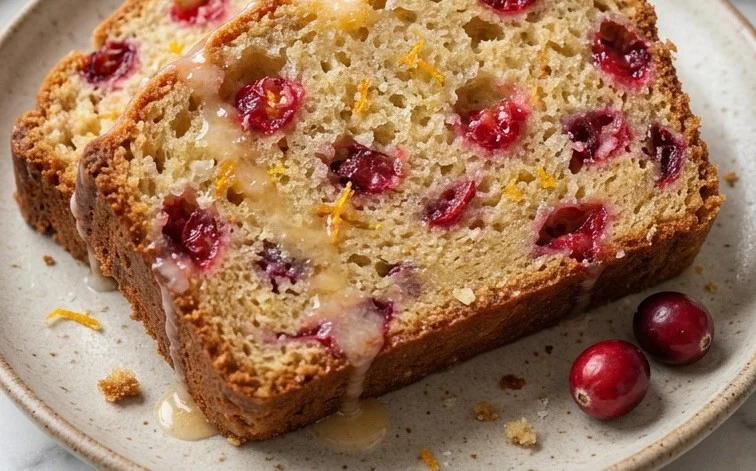
Cranberry Orange Bread is a wonderful balance of tart cranberries and bright orange flavor, baked into a moist and tender loaf. It’s the kind of bread that makes your kitchen smell amazing while it bakes and is perfect for breakfast, a snack, or even as a simple dessert. The combination of citrus and berries is particularly lovely, especially during cooler months when fresh cranberries are readily available. I find it’s a great way to use up a bag of cranberries before they go bad, turning them into something truly special. The zesty aroma of oranges combined with the pop of fresh cranberries creates a unique and comforting treat. This recipe yields a beautifully moist crumb with a delightful tang from the cranberries, making it a family favorite. The simple addition of orange zest really brightens the whole loaf, ensuring every bite is flavorful. Baking this Cranberry Orange Bread is a simple process that rewards you with an exceptional homemade bread, perfect for gifting or enjoying with a cup of tea.
Ingredients:
- 2 cups all-purpose flour
- 1 1/2 tsp baking powder
- 1/2 tsp baking soda
- 3/4 tsp salt
- 1 tsp ground cinnamon
- 1 Tbsp orange zest (freshly grated)
- 1/2 cup granulated sugar
- 1/2 cup brown sugar
- 1/4 cup butter (room temperature)
- 1 large egg (room temperature)
- 1 cup orange juice
- 1 1/2 cups chopped fresh cranberries
Preparing the Bread
To start, preheat your oven to 350°F (175°C). Grease and flour a standard loaf pan, or line it with parchment paper, leaving some overhang on the sides to help lift the bread out later. This step is important to prevent sticking and ensure a clean release once baked. In a large mixing bowl, whisk together the dry ingredients: the 2 cups of all-purpose flour, 1 1/2 teaspoons of baking powder, 1/2 teaspoon of baking soda, 3/4 teaspoon of salt, and 1 teaspoon of ground cinnamon. Whisking these together ensures the leavening agents and salt are evenly distributed throughout the flour, which leads to a consistent rise and texture.
In a separate medium bowl, cream together the softened butter and both the granulated and brown sugars until light and fluffy. This aerates the mixture, contributing to the bread’s tender crumb. Beat in the large egg until well combined. Then, gradually add the orange juice and orange zest, mixing until just incorporated. The zest adds a concentrated burst of orange flavor that permeates the entire loaf.
Gently fold the chopped fresh cranberries into the wet ingredients. Be careful not to overmix at this stage, as it can toughen the bread. Once the cranberries are distributed, add the wet mixture to the dry ingredients. Using a spatula, fold everything together until just combined. A few streaks of flour are okay; they will disappear during baking. Overmixing develops the gluten too much, resulting in a dense, tough loaf, so aim for a light hand.
Pour the batter evenly into the prepared loaf pan. Smooth the top with your spatula. Place the loaf pan in the preheated oven. Bake for 50-65 minutes. To check for doneness, insert a toothpick or a thin knife into the center of the bread; it should come out clean or with just a few moist crumbs attached. If it comes out with wet batter, continue baking in 5-minute increments until done.
Once baked, let the bread cool in the pan on a wire rack for about 15 minutes. This allows it to firm up slightly before removal. Then, use the parchment overhang to carefully lift the loaf out of the pan. Transfer it to the wire rack to cool completely before slicing. Cooling completely ensures the structure is set, preventing a gummy texture.

Cranberry Orange Bread
This Cranberry Orange Bread is a wonderful balance of tart cranberries and bright orange flavor, baked into a moist and tender loaf. It’s the kind of bread that makes your kitchen smell amazing while it bakes and is perfect for breakfast, a snack, or even as a simple dessert. The combination of citrus and berries is particularly lovely, especially during cooler months when fresh cranberries are readily available. I find it’s a great way to use up a bag of cranberries before they go bad, turning them into something truly special.
Ingredients:
- 2 cups all-purpose flour
- 1 1/2 tsp baking powder
- 1/2 tsp baking soda
- 3/4 tsp salt
- 1 tsp ground cinnamon
- 1 Tbsp orange zest (freshly grated)
- 1/2 cup granulated sugar
- 1/2 cup brown sugar
- 1/4 cup butter (room temperature)
- 1 large egg (room temperature)
- 1 cup orange juice
- 1 1/2 cups chopped fresh cranberries
Preparing the Bread
To start, preheat your oven to 350°F (175°C). Grease and flour a standard loaf pan, or line it with parchment paper, leaving some overhang on the sides to help lift the bread out later. This step is important to prevent sticking and ensure a clean release once baked. In a large mixing bowl, whisk together the dry ingredients: the 2 cups of all-purpose flour, 1 1/2 teaspoons of baking powder, 1/2 teaspoon of baking soda, 3/4 teaspoon of salt, and 1 teaspoon of ground cinnamon. Whisking these together ensures the leavening agents and salt are evenly distributed throughout the flour, which leads to a more consistent rise and flavor in your finished bread. Make sure there are no clumps of baking soda or powder.
In a separate medium bowl, combine the wet ingredients, but with a slight twist. Cream together the 1/4 cup of room-temperature butter, 1/2 cup of granulated sugar, and 1/2 cup of brown sugar. You can use an electric mixer or a whisk and a bit of elbow grease for this. You want the mixture to be light and fluffy. This creaming process incorporates air into the butter and sugar, which contributes to the bread’s tender texture. Next, beat in the 1 large room-temperature egg until well combined. The egg adds richness and helps bind the ingredients. Stir in the 1 tablespoon of freshly grated orange zest. Using fresh zest is key here; it provides a much more intense and authentic orange flavor than dried zest.
Combining and Baking
Now, it’s time to bring the wet and dry ingredients together. Gradually add the dry ingredients to the wet ingredients, alternating with the 1 cup of orange juice. Start by adding about a third of the dry ingredients, mixing until just combined, then add half of the orange juice, mix, add another third of the dry ingredients, mix, the remaining orange juice, mix, and finally, the last of the dry ingredients. Mix only until everything is incorporated. Be careful not to overmix the batter once the flour is added, as this can develop the gluten too much and result in a tougher loaf. A few small lumps are okay.
Gently fold in the 1 1/2 cups of chopped fresh cranberries. If your cranberries are very large, you can chop them into smaller, more manageable pieces so they distribute evenly throughout the batter and don’t sink to the bottom. Make sure the cranberries are well coated with the batter. Pour the batter into your prepared loaf pan and spread it evenly.
Baking the Cranberry Orange Bread
Place the loaf pan in the preheated oven. Bake for 50-65 minutes, or until a wooden skewer or toothpick inserted into the center of the loaf comes out clean. The baking time can vary depending on your oven, so start checking around the 50-minute mark. If the top of the bread starts to brown too quickly before the inside is cooked, you can loosely tent it with aluminum foil.
Once baked, remove the bread from the oven and let it cool in the pan for about 10-15 minutes. This allows the bread to set and firm up slightly, making it easier to remove without breaking. After the initial cooling, carefully lift the bread out of the pan using the parchment paper overhang (if used) or invert it onto a wire rack to cool completely. Letting it cool completely before slicing is important for the best texture; slicing too soon can lead to a gummy interior.
This Cranberry Orange Bread is fantastic served warm or at room temperature. It pairs beautifully with a smear of butter or cream cheese. You can also toast slices and top them with a little jam or honey. For storage, once completely cooled, wrap the bread tightly in plastic wrap or store it in an airtight container at room temperature for up to 3 days. If you plan to keep it longer, it freezes very well; wrap it tightly in plastic wrap and then in aluminum foil, and it can be frozen for up to 3 months. Thaw at room temperature.
Conclusion:
This Cranberry Orange Bread is a truly delightful bake, offering a comforting blend of tangy cranberries and fragrant orange that’s ideal for any occasion. Its moist crumb and tender texture make it a joy to eat, whether served warm or at room temperature. It’s a fantastic way to enjoy the season’s flavors and is sure to become a go-to recipe in your kitchen. Baking this bread fills your home with an irresistible aroma, and the final product is a beautiful loaf that’s perfect for sharing with family and friends, or for enjoying as a personal treat with your favorite hot beverage.
For serving, this bread is wonderful on its own, but it also pairs beautifully with a smear of butter or cream cheese. A drizzle of honey or a light glaze made from powdered sugar and orange juice can add an extra touch of sweetness. If you’re looking for a variation, consider adding a handful of chopped walnuts or pecans to the batter for a nutty crunch, or a pinch of ground cardamom to the dry ingredients for a warmer spice note.
Don’t hesitate to try this recipe; the results are consistently delicious and incredibly rewarding for the minimal effort involved. You’ll love the fresh, homemade taste and the satisfaction of creating this beautiful Cranberry Orange Bread from scratch.
Frequently Asked Questions:
Can I use dried cranberries instead of fresh?
Yes, you can substitute dried cranberries for fresh ones. Use about 1 cup of dried cranberries and soak them in warm water for about 10-15 minutes before draining them thoroughly. This will help plump them up and prevent them from becoming too hard in the baked bread. You might also need to adjust the liquid slightly, as dried cranberries won’t release moisture like fresh ones.
How should I store Cranberry Orange Bread?
Store the cooled bread at room temperature in an airtight container or tightly wrapped in plastic wrap for up to 3-4 days. If you live in a warm or humid climate, it’s best to refrigerate it to prevent it from spoiling. For longer storage, you can freeze slices or the whole loaf, well-wrapped, for up to 3 months.
My bread is a bit dense. What might have gone wrong?
A dense texture usually comes from overmixing the batter, which develops the gluten in the flour too much. Be sure to mix the wet and dry ingredients only until just combined, and fold in the cranberries gently. Also, ensure your baking powder and baking soda are fresh and active, as they are crucial for the bread’s rise.
Cranberry Orange Bread
A moist and flavorful quick bread bursting with the bright flavors of cranberry and orange. Perfect for breakfast or a festive treat.
Ingredients
-
2 cups all-purpose flour
-
1 1/2 tsp baking powder
-
1/2 tsp baking soda
-
3/4 tsp salt
-
1 tsp ground cinnamon
-
1 Tbsp orange zest (freshly grated)
-
1/2 cup granulated sugar
-
1/2 cup brown sugar
-
1/4 cup butter (room temperature)
-
1 large egg (room temperature)
-
1 cup orange juice
-
1 1/2 cups chopped fresh cranberries
Instructions
-
Step 1
Preheat oven to 350°F (175°C). Grease and flour a 9×5 inch loaf pan. -
Step 2
In a large bowl, whisk together the flour, baking powder, baking soda, salt, cinnamon, and orange zest. -
Step 3
In a separate bowl, cream together the granulated sugar, brown sugar, and softened butter until light and fluffy. -
Step 4
Beat in the egg until well combined. Stir in the orange juice. -
Step 5
Add the wet ingredients to the dry ingredients and stir until just combined. Do not overmix. -
Step 6
Gently fold in the chopped cranberries. -
Step 7
Pour the batter into the prepared loaf pan and spread evenly. -
Step 8
Bake for 50-60 minutes, or until a wooden skewer inserted into the center comes out clean. -
Step 9
Let the bread cool in the pan for 10 minutes before transferring it to a wire rack to cool completely.
Important Information
Nutrition Facts (Per Serving)
It is important to consider this information as approximate and not to use it as definitive health advice.
Allergy Information
Please check ingredients for potential allergens and consult a health professional if in doubt.

Leave a Comment