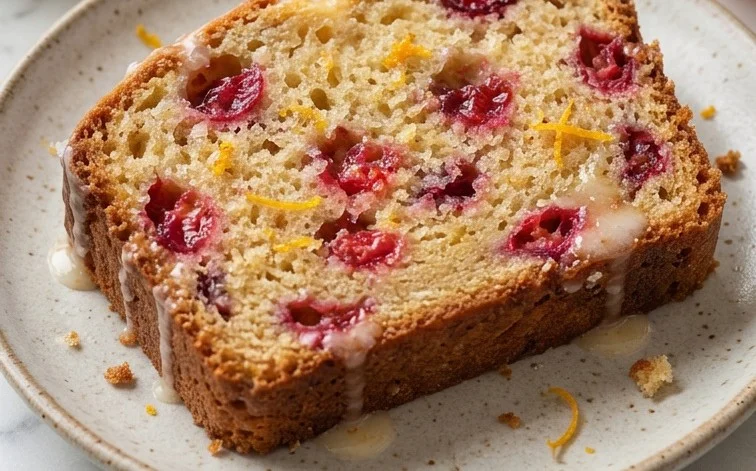
Orange Cranberry Bread is a delightful bake, perfect for any time of year but especially wonderful when you have fresh cranberries readily available. The bright, tart cranberries mingle beautifully with the sweet, aromatic zest of the orange, all brought together in a tender, moist bread. Using refined coconut oil ensures a light texture without imparting a strong coconut flavor, and the orange juice not only adds moisture but also enhances that lovely citrus note. I like to make a loaf when I want something comforting yet refreshing, something that smells amazing as it bakes. It’s simple enough for a weekend morning treat, but special enough for guests. Preparing the Ingredients Before you begin mixing, it’s a good idea to get everything ready. This is often called “mise en place,” and it really makes the baking process smoother. For this recipe, the most important preparation is zesting your oranges. You want to get just the colorful outer layer, avoiding the white pith underneath, which can be bitter. A microplane grater works wonderfully for this, giving you fine zest that disperses evenly throughout the batter. Once zested, juice your oranges to get your 1/2 cup of liquid. You’ll want to make sure you have enough juice from your two medium navel oranges. Chopping the fresh cranberries is also a key step; rough chops are good here as they break down a bit during baking, releasing their tartness and creating lovely pockets of flavor throughout the bread. These simple steps ensure the best texture and flavor in your final Orange Cranberry Bread.

Ingredients:
- 1 cup roughly chopped fresh cranberries
- 2 teaspoons fresh orange zest (from 2 medium navel oranges)
- 1/4 cup sugar
- 2 cups all-purpose flour
- 1/2 cup sugar
- 2 teaspoons baking powder
- 1/2 teaspoon salt
- 1/2 cup refined coconut oil
- 1/2 cup orange juice
- 2 large eggs
Orange Cranberry Bread
This orange cranberry bread is a delightful bake, perfect for any time of year but especially wonderful when you have fresh cranberries readily available. The bright, tart cranberries mingle beautifully with the sweet, aromatic zest of the orange, all brought together in a tender, moist bread. Using refined coconut oil ensures a light texture without imparting a strong coconut flavor, and the orange juice not only adds moisture but also enhances that lovely citrus note. I like to make a loaf when I want something comforting yet refreshing, something that smells amazing as it bakes. It’s simple enough for a weekend morning treat, but special enough for guests.
Preparing the Ingredients
Before you begin mixing, it’s a good idea to get everything ready. This is often called “mise en place,” and it really makes the baking process smoother. For this recipe, the most important preparation is zesting your oranges. You want to get just the colorful outer layer, avoiding the white pith underneath, which can be bitter. A microplane grater works wonderfully for this, giving you fine zest that disperses evenly throughout the batter. Once zested, juice your oranges to get your 1/2 cup of liquid. You’ll also need to roughly chop your fresh cranberries. Don’t aim for tiny pieces; chunks will provide lovely pops of tartness throughout the bread. A quick chop with a knife is all you need. Measure out your flour, sugars, baking powder, and salt so they are ready to go.
Mixing the Wet and Dry Ingredients
In a large mixing bowl, combine the dry ingredients first. This includes the 2 cups of all-purpose flour, the 1/2 cup of sugar, the 2 teaspoons of baking powder, and the 1/2 teaspoon of salt. Whisk these together thoroughly. This step is important for ensuring the baking powder and salt are evenly distributed, which helps the bread rise evenly and prevents pockets of saltiness.
In a separate medium bowl, you’ll combine the wet ingredients. Start by creaming together the 1/2 cup of refined coconut oil and the 1/4 cup of sugar. You can do this with a whisk or an electric mixer until it’s well combined and looks slightly lighter. Next, add the 2 large eggs, one at a time, beating well after each addition to ensure they are fully incorporated. Then, stir in the 1/2 cup of orange juice and the 2 teaspoons of fresh orange zest. Mix until everything is just combined. It’s okay if the mixture looks a little separated; the oil and liquid might not fully emulsify at this stage, and that’s perfectly fine.
Combining Everything and Adding the Cranberries
Now, it’s time to bring the wet and dry ingredients together. Pour the wet ingredients into the bowl with the dry ingredients. Use a spatula or a wooden spoon to mix until just combined. It’s very important not to overmix the batter at this stage. Overmixing develops the gluten in the flour, which can lead to a tough, dense bread. You should still see a few streaks of flour; that’s okay. The goal is to bring it all together without vigorous stirring or beating.
Gently fold in the 1 cup of roughly chopped fresh cranberries and the 2 teaspoons of fresh orange zest. Use a folding motion, cutting through the batter with your spatula and then bringing the batter from the bottom up and over the cranberries and zest. This distributes them throughout the batter without breaking them down too much or overworking the gluten. You want distinct pieces of cranberry and visible flecks of zest in the finished bread.
Baking the Bread
Preheat your oven to 350 degrees Fahrenheit (175 degrees Celsius). Grease and flour a standard 9×5 inch loaf pan, or line it with parchment paper, leaving some overhang on the sides to help you lift the bread out easily once it’s baked. Pour the batter evenly into the prepared loaf pan.
Bake for approximately 50 to 60 minutes. The exact baking time can vary depending on your oven, so it’s a good idea to check for doneness starting around the 50-minute mark. You can test if the bread is ready by inserting a toothpick or a thin skewer into the center of the loaf. If it comes out clean or with just a few moist crumbs attached, the bread is done. If there is wet batter on the toothpick, continue baking for another 5-10 minutes and check again. Be careful not to overbake, as this can dry out the bread. If the top of the bread is browning too quickly before the inside is cooked, you can loosely tent it with aluminum foil for the remainder of the baking time.
Cooling and Serving
Once baked, carefully remove the loaf pan from the oven. Let the orange cranberry bread cool in the pan on a wire rack for about 10 to 15 minutes. This allows the bread to set up properly before you attempt to remove it. After this initial cooling period, use the parchment paper overhang or carefully invert the pan to release the bread onto the wire rack. Let it cool completely on the wire rack before slicing. Slicing while the bread is still very warm can make it crumbly.
This bread is delicious on its own, but it’s also wonderful served with a smear of butter, a dollop of cream cheese, or even a drizzle of honey. It makes a lovely breakfast, snack, or addition to a brunch spread. Leftover bread can be stored in an airtight container at room temperature for up to 3 days. For longer storage, you can wrap it tightly and freeze it. You can also make muffins or mini loaves from this batter; just adjust the baking time accordingly, checking for doneness sooner. Muffins typically take 18-22 minutes.
Conclusion:
This Orange Cranberry Bread recipe offers a wonderful balance of tart, sweet, and citrusy notes, all in a moist and tender loaf. It’s a fantastic way to use fresh cranberries and bright oranges, resulting in a comforting bake that fills your home with an incredible aroma. Whether served for breakfast, as an afternoon snack, or as part of a dessert spread, this bread is always a hit. Its simple preparation makes it accessible for bakers of all levels, and the results are consistently rewarding. You’ll love the moist crumb and the delightful pops of cranberry and orange zest throughout. Give this Orange Cranberry Bread a try – it’s a recipe you’ll return to again and again.
Frequently Asked Questions:
Can I use dried cranberries instead of fresh ones?
Yes, you can substitute dried cranberries for fresh. Use about 2/3 cup of dried cranberries. Since dried cranberries are sweeter, you might want to slightly reduce the sugar in the recipe by a tablespoon or two, depending on your preference. Remember to soak them briefly in warm water or juice for about 10-15 minutes before adding them to the batter to help them plump up and distribute moisture better.
How should I store the Orange Cranberry Bread?
Once cooled, wrap the bread tightly in plastic wrap or aluminum foil, or store it in an airtight container at room temperature. It will stay fresh for about 3-4 days. For longer storage, you can freeze the loaf, either whole or sliced. Wrap it well in plastic wrap, then in foil, or place it in a freezer bag. It can be frozen for up to 3 months. Thaw at room temperature.
Can I add nuts to this bread?
Absolutely! Chopped walnuts or pecans would be a lovely addition. Add about 1/2 cup of chopped nuts along with the cranberries and zest in the dry ingredients. They add a nice crunch and another layer of flavor that complements the orange and cranberry beautifully.
Orange Cranberry Bread Recipe
A moist and flavorful quick bread featuring tart cranberries and bright orange zest.
Ingredients
-
1 cup roughly chopped fresh cranberries
-
2 teaspoons fresh orange zest ((2 medium naval oranges))
-
1/4 cup sugar
-
2 cups all purpose flour
-
1/2 cup sugar
-
2 teaspoons baking powder
-
1/2 teaspoon salt
-
1/2 cup refined coconut oil
-
1/2 cup orange juice
-
2 large eggs
Instructions
-
Step 1
Preheat oven to 350°F (175°C). Grease and flour a 9×5 inch loaf pan. -
Step 2
In a large bowl, whisk together the flour, 1/2 cup sugar, baking powder, and salt. -
Step 3
In a separate medium bowl, whisk together the refined coconut oil, orange juice, and eggs. -
Step 4
Add the wet ingredients to the dry ingredients and stir until just combined. Do not overmix. -
Step 5
Gently fold in the chopped cranberries, orange zest, and 1/4 cup sugar. -
Step 6
Pour the batter into the prepared loaf pan and bake for 50-60 minutes, or until a wooden skewer inserted into the center comes out clean. -
Step 7
Let the bread cool in the pan for 10 minutes before inverting it onto a wire rack to cool completely.
Important Information
Nutrition Facts (Per Serving)
It is important to consider this information as approximate and not to use it as definitive health advice.
Allergy Information
Please check ingredients for potential allergens and consult a health professional if in doubt.



Leave a Comment