
Super Soft Molasses Cookies have this wonderful way of tasting like comfort, especially when they’re baked just right. These super soft molasses cookies are my go-to for a reason: they’re tender, chewy, and packed with that warm, spicy flavor that makes you want to dunk them in a glass of milk or a hot cup of tea. The secret to their incredible softness lies in the balance of ingredients and a specific chilling and rolling step. They’re not crisp like some other molasses cookie recipes; these are meant to be delightfully yielding. Making the dough is straightforward but requires attention to detail. The first step in creating these wonderfully soft cookies is to get our dry ingredients measured and combined. This ensures everything is evenly distributed for a consistent flavor and texture throughout the cookies. In a medium-sized bowl, whisk together the all-purpose flour, ground cloves, ground ginger, baking soda, ground cinnamon, and salt. Whisking helps to break up any clumps in the spices and flour, and it also aerates the mixture slightly, which is a small but helpful step for texture. Set this bowl aside for now. In a separate, larger mixing bowl, we’ll combine the wet ingredients. Start by pouring the vegetable oil into the bowl. Then, add the granulated sugar and the full-flavor molasses. This combination of wet ingredients is what gives the cookies their signature chewy texture and deep flavor profile. Make sure to use a molasses that isn’t too thin or too thick; a full-flavor variety works best for that classic taste. The room temperature egg also incorporates more smoothly into the mixture.
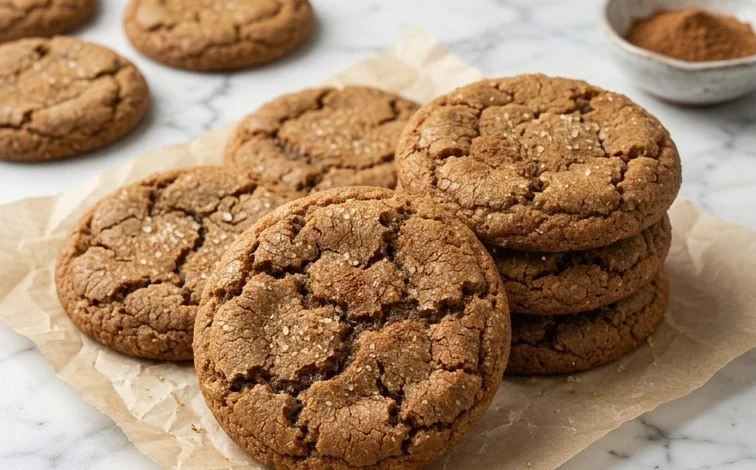
Super Soft Molasses Cookies
Molasses cookies have this wonderful way of tasting like comfort, especially when they’re baked just right. These super soft molasses cookies are my go-to for a reason: they’re tender, chewy, and packed with that warm, spicy flavor that makes you want to dunk them in a glass of milk or a hot cup of tea. The secret to their incredible softness lies in the balance of ingredients and a specific chilling and rolling step. They’re not crisp like some other molasses cookie recipes; these are meant to be delightfully yielding.
Ingredients:
- 2 cups All-Purpose Flour
- 1/2 tsp Ground Cloves
- 1/2 tsp Ground Ginger
- 2 tsp Baking Soda
- 1 tsp Ground Cinnamon
- 1/2 tsp Salt
- 3/4 cup Vegetable Oil
- 1 cup Granulated Sugar (plus extra for rolling cookie dough balls in)
- 1/4 cup Full Flavor Molasses (I used the Brer Rabbit brand)
- 1 Large Egg (room temperature)
Making the Dough
The first step in creating these wonderfully soft cookies is to get our dry ingredients measured and combined. This ensures everything is evenly distributed for a consistent flavor and texture throughout the cookies. In a medium-sized bowl, whisk together the all-purpose flour, ground cloves, ground ginger, baking soda, ground cinnamon, and salt. Whisking helps to break up any clumps in the spices and flour, and it also aerates the mixture slightly, which is a small but helpful step for texture. Set this bowl aside for now.
In a separate, larger mixing bowl, we’ll combine the wet ingredients. Start by pouring in the vegetable oil. Then, add the granulated sugar and the full-flavor molasses. Molasses is key here; it not only contributes that distinctive flavor but also moisture, which is vital for soft cookies. Make sure you’re using a full-flavor molasses, not a light or dark one if you want that classic, rich taste. You’ll want to cream these together. If you’re using a stand mixer with a paddle attachment, mix on medium speed until well combined. If you’re doing this by hand with a whisk or a wooden spoon, it will take a bit more effort, but aim for a smooth, well-emulsified mixture.
Now, it’s time to add the egg. It’s important that your large egg is at room temperature. A cold egg can sometimes shock the other ingredients, making it harder for them to incorporate smoothly, and it can affect the final texture. Add the room-temperature egg to the oil, sugar, and molasses mixture. Beat or whisk until everything is thoroughly combined and the mixture is a uniform light brown color.
Gradually add the dry ingredients to the wet ingredients. It’s best to add them in two or three additions, mixing on low speed with your stand mixer, or stirring gently by hand, after each addition. Overmixing at this stage can develop the gluten in the flour too much, leading to tougher cookies. Mix just until no dry streaks of flour remain. The dough will be quite soft and sticky at this point, and that’s exactly what we want.
Chilling and Shaping
This next step is critical for achieving that super soft texture and preventing the cookies from spreading too much in the oven. Cover the bowl of cookie dough with plastic wrap, pressing it directly onto the surface of the dough to prevent a skin from forming. Refrigerate the dough for at least 2 hours, or even better, overnight. Chilling the dough solidifies the fat (the oil), which slows down its melting during baking, thus controlling spread. It also allows the flavors to meld and deepen.
Once the dough has chilled sufficiently, it’s time to shape the cookies. Take the dough out of the refrigerator. Scoop out portions of dough using a cookie scoop or a tablespoon. Roll each portion into a ball. This is where you can add an extra touch of sweetness and visual appeal. Pour some extra granulated sugar onto a small plate or into a shallow bowl. Roll each dough ball in the granulated sugar until it’s evenly coated. This sugar coating not only adds a little sparkle but also creates a delightful sugary crust that complements the soft interior.
Baking for Perfection
Preheat your oven to 350°F (175°C). Line baking sheets with parchment paper. Parchment paper is excellent for preventing sticking and making cleanup a breeze. Place the sugar-coated dough balls onto the prepared baking sheets, leaving about 2 inches between each cookie. They will spread a bit during baking, so giving them space is important to prevent them from merging into one giant cookie.
Bake the cookies for 8 to 11 minutes. The exact baking time will depend on your oven and the size of your cookies. You’re looking for the edges to be set and lightly golden brown, but the centers should still look a little soft and underbaked. They will continue to cook on the baking sheet after you remove them from the oven. Overbaking is the enemy of soft cookies, so err on the side of slightly underbaking.
Cooling and Storing
Once baked, remove the baking sheets from the oven. Let the cookies cool on the baking sheets for about 5 minutes. This allows them to firm up just enough to be moved without falling apart. After those 5 minutes, carefully transfer the cookies to a wire rack to cool completely. This is crucial for allowing air to circulate around the cookies, which helps them to achieve their final soft texture. If you leave them on the hot baking sheet for too long, they can continue to bake and become crispier than intended.
Once completely cooled, store the super soft molasses cookies in an airtight container at room temperature. If you want to ensure maximum softness, you can even place a slice of bread in the container. The bread will release a little moisture, helping to keep the cookies wonderfully soft for several days. These cookies are also excellent for freezing. Place cooled cookies in a freezer-safe container or bag, and they’ll keep for up to 2-3 months. Just thaw them at room temperature before enjoying.
Conclusion:
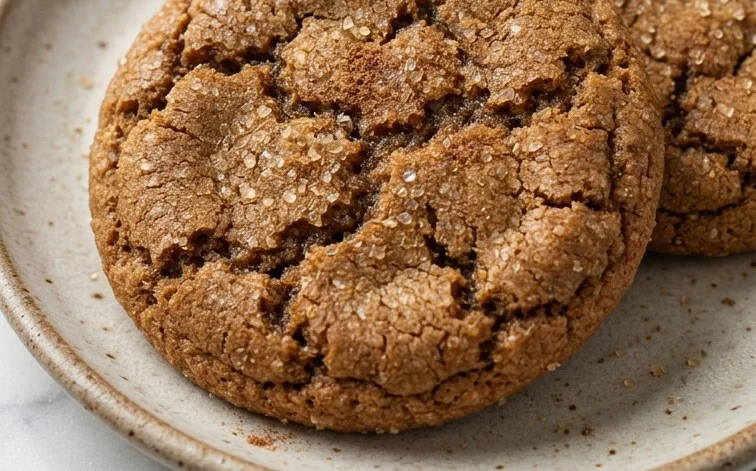
These Super Soft Molasses Cookies truly live up to their name, offering a tender, chewy bite bursting with warm spice. They are a comforting treat that’s perfect for any occasion, from a cozy afternoon with tea to a holiday cookie platter. The simple process, especially the chilling and rolling steps, ensures you get that signature soft texture every time. Don’t be afraid to experiment a little; while these are fantastic as is, you could add a pinch of nutmeg to the dry ingredients for an extra layer of warmth, or even some chopped candied ginger for a bit of a zing. Serving them warm with a glass of cold milk is classic, but they’re also wonderful alongside coffee or hot chocolate. Storing them in an airtight container at room temperature keeps them soft for several days. If they do happen to harden slightly, a slice of bread in the container for a few hours will rehydrate them beautifully.
FAQs:
Why are my molasses cookies not soft?
Often, this comes down to overbaking or using too much flour. Baking them just until the edges are set but the centers still look a little soft is key. For every cup of flour, you can actually measure it by spooning it into the cup and leveling it off, rather than scooping directly from the bag. This prevents packing too much flour in.
Can I use blackstrap molasses?
While blackstrap molasses will give you a very strong, robust flavor, it can also make the cookies a bit more bitter and less sweet than using a ‘full-flavor’ or ‘generic’ molasses. If you prefer a milder, sweeter cookie, stick with the full-flavor type. If you love that intense molasses taste, blackstrap can work, but adjust the sugar slightly if needed.
How long do the cookies need to chill?
Chilling the dough is important for both flavor development and preventing too much spread. A minimum of 1 hour is recommended. You can even chill it for up to 3 days, which makes it great for making ahead.
Super Soft Molasses Cookies
These molasses cookies are incredibly soft and chewy, with a classic spiced flavor that’s perfect for any occasion. They’re simple to make and always a crowd-pleaser.
Ingredients
-
2 cups All-Purpose Flour
-
1/2 tsp Ground Cloves
-
1/2 tsp Ground Ginger
-
2 tsp Baking Soda
-
1 tsp Ground Cinnamon
-
1/2 tsp Salt
-
3/4 cup Vegetable Oil
-
1 cup Granulated Sugar
-
1/4 cup Full Flavor Molasses
-
1 Large Egg
Instructions
-
Step 1
In a medium bowl, whisk together the flour, cloves, ginger, baking soda, cinnamon, and salt. -
Step 2
In a large bowl, whisk together the vegetable oil, granulated sugar, molasses, and egg until well combined and smooth. -
Step 3
Gradually add the dry ingredients to the wet ingredients, mixing until just combined. Do not overmix. -
Step 4
Preheat your oven to 350°F (175°C). Line baking sheets with parchment paper. Roll the cookie dough into 1-inch balls and then roll each ball in extra granulated sugar. -
Step 5
Place the cookie dough balls about 2 inches apart on the prepared baking sheets. -
Step 6
Bake for 8-10 minutes, or until the edges are set and the centers are still slightly soft. They will firm up as they cool. -
Step 7
Let the cookies cool on the baking sheets for a few minutes before transferring them to a wire rack to cool completely.
Important Information
Nutrition Facts (Per Serving)
It is important to consider this information as approximate and not to use it as definitive health advice.
Allergy Information
Please check ingredients for potential allergens and consult a health professional if in doubt.



Leave a Comment