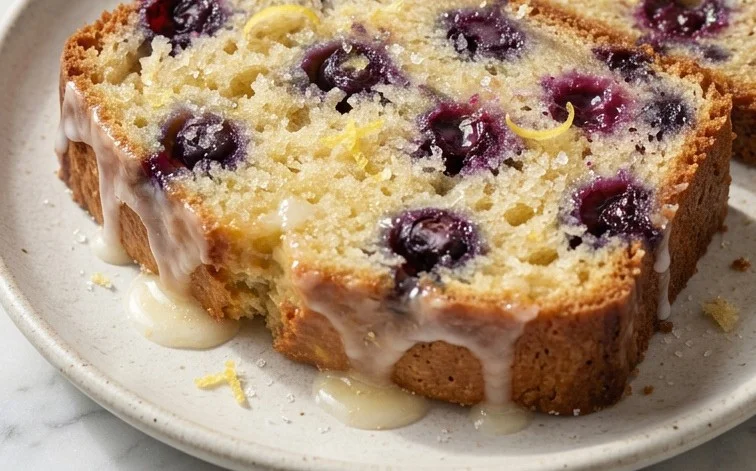
Lemon Blueberry Bread brings together the bright tang of lemon with the sweet juiciness of blueberries. It’s the kind of bread that’s perfect for a leisurely breakfast, an afternoon snack, or even a light dessert. The recipe uses basic pantry staples, and the result is a wonderfully moist and flavorful loaf that fills your kitchen with a delightful aroma as it bakes. I love using frozen blueberries because they hold their shape well and don’t bleed too much color into the batter. The zest from a fresh lemon is key to getting that zesty punch that cuts through the sweetness of the bread.
Ingredients:
- 3 cups all purpose flour
- 1 tsp salt
- 1/2 tsp dry active yeast
- 1 1/2 cups warm water
- 1 cup frozen blueberries
- 1 tbs flour for dusting blueberries
- 1 lemon zested
Making the Batter
The first step is to activate the yeast and get our leavening agent ready. In a large mixing bowl, combine the 1 1/2 cups of warm water with the 1/2 teaspoon of dry active yeast. It’s important that the water is warm, but not hot, typically around 105-115 degrees Fahrenheit (40-46 degrees Celsius). If it’s too hot, it will kill the yeast, and if it’s too cold, it won’t activate properly. Give it a gentle stir and let it sit for about 5-10 minutes. You should see it become foamy and bubbly on the surface. This indicates the yeast is alive and ready to work its magic. If you don’t see any foam, your yeast might be expired, or the water wasn’t the right temperature. Don’t worry if the mixture doesn’t look like much at this stage; it’s just the start.

Lemon Blueberry Bread
This Lemon Blueberry Bread is a simple, comforting bake that brings together the bright tang of lemon with the sweet juiciness of blueberries. It’s the kind of bread that’s perfect for a leisurely breakfast, an afternoon snack, or even a light dessert. The recipe uses basic pantry staples, and the result is a wonderfully moist and flavorful loaf that fills your kitchen with a delightful aroma as it bakes. I love using frozen blueberries because they hold their shape well and don’t bleed too much color into the batter. The zest from a fresh lemon is key to getting that zesty punch that cuts through the sweetness of the bread.
Ingredients:
- 3 cups all purpose flour
- 1 tsp salt
- 1/2 tsp dry active yeast
- 1 1/2 cups warm water
- 1 cup frozen blueberries
- 1 tbs flour for dusting blueberries
- 1 lemon zested
Making the Batter
The first step is to activate the yeast and get our leavening agent ready. In a large mixing bowl, combine the 1 1/2 cups of warm water with the 1/2 teaspoon of dry active yeast. It’s important that the water is warm, but not hot, typically around 105-115 degrees Fahrenheit (40-46 degrees Celsius). If it’s too hot, it will kill the yeast, and if it’s too cold, it won’t activate properly. Give it a gentle stir and let it sit for about 5-10 minutes. You should see it become foamy and bubbly on the surface. This indicates the yeast is alive and ready to work its magic. If you don’t see any foam, your yeast might be expired, or the water wasn’t the right temperature, and you’ll need to start with fresh yeast.
Once the yeast is active, add the 3 cups of all purpose flour and the 1 teaspoon of salt to the bowl with the yeasty water. Also, add the zest of your fresh lemon at this stage. The lemon zest contains all the fragrant oils from the peel, and it’s where you get that intense lemon flavor without any added liquid that could affect the batter’s consistency. Stir everything together with a wooden spoon or a sturdy spatula until a shaggy dough forms. Don’t worry if it looks a bit rough; we’re not aiming for a perfectly smooth dough at this point. It should be sticky, which is exactly what we want for a moist bread.
Preparing the Blueberries
Before we incorporate the blueberries, it’s a good idea to give them a light coating of flour. Take your 1 cup of frozen blueberries and place them in a small bowl. Sprinkle the 1 tablespoon of flour over them and gently toss to coat. This step is a little trick that helps prevent the blueberries from sinking to the bottom of the bread as it bakes. The flour creates a light barrier that helps them suspend more evenly throughout the batter. Since we are using frozen blueberries, they will thaw as they are mixed into the batter and baked, releasing their lovely juices and flavor.
Mixing and Baking
Now it’s time to combine the blueberries with the batter. Gently fold the floured blueberries into the shaggy dough. Try not to overmix at this stage. We want to distribute them as evenly as possible without breaking them up too much. The dough will still be quite sticky and a bit lumpy, which is perfectly fine. The goal is to have blueberries distributed throughout the loaf rather than concentrated in one spot. Overworking the dough can lead to a tougher bread, so a gentle hand here is beneficial.
Pour or scoop the batter into a greased and floured loaf pan. You can also line your loaf pan with parchment paper for easier removal. Smooth the top of the batter gently with your spatula, but don’t aim for perfection; the rustic look is part of its charm. Place the loaf pan in a warm, draft-free spot to rise for about 45-60 minutes, or until it has visibly increased in size and looks puffy. Covering the pan loosely with plastic wrap or a clean kitchen towel can help trap the warmth. You’ll know it’s ready when it’s noticeably larger and has a lighter texture.
Preheat your oven to 375 degrees Fahrenheit (190 degrees Celsius) while the dough is rising. Once the dough has risen, carefully place the loaf pan in the preheated oven. Bake for 40-50 minutes. To check for doneness, insert a toothpick or a thin knife into the center of the bread. If it comes out clean, the bread is ready. If there’s still wet batter on it, continue baking for another 5-10 minutes and test again. The top should be golden brown and the loaf should sound hollow when tapped lightly on the bottom.
Once baked, remove the bread from the oven and let it cool in the pan for about 10-15 minutes. This allows the bread to firm up slightly before you attempt to remove it. Then, carefully invert the loaf onto a wire rack to cool completely. Cooling on a wire rack allows air to circulate all around the bread, preventing the bottom from becoming soggy. Resist the urge to slice into it too early; letting it cool completely ensures cleaner slices and allows the flavors to fully develop. This Lemon Blueberry Bread is delicious served warm or at room temperature. It pairs wonderfully with a cup of tea or coffee, or even a dollop of yogurt or a smear of butter.
Conclusion:
This Lemon Blueberry Bread is a delightful bake that’s surprisingly straightforward to make. The combination of tart lemon and sweet blueberries creates a wonderfully balanced flavor that appeals to everyone. Its moist crumb and fragrant aroma make it a welcome addition to any table, whether it’s for breakfast, a snack, or a light dessert. It’s a comforting bake that’s sure to become a favorite. I love serving it warm with a smear of butter, but it’s also fantastic on its own.
Serving Suggestions:
Enjoy a slice of this bread fresh from the oven, still warm. A little butter or cream cheese complements the flavors beautifully. For a more dessert-like feel, a light dusting of powdered sugar or a simple glaze made from powdered sugar and a little lemon juice works wonders. It pairs wonderfully with a cup of tea or coffee.
Variations:
While this recipe is wonderful as is, feel free to experiment. You can add a handful of chopped nuts, like almonds or walnuts, for a bit of crunch. A teaspoon of vanilla extract can add another layer of warmth to the flavor profile. If you don’t have frozen blueberries, fresh ones work too, but you might need to be a bit more careful when folding them in to prevent them from breaking down too much during baking.
Frequently Asked Questions:
Can I use fresh blueberries instead of frozen?
Yes, you can use fresh blueberries. If using fresh, toss them gently with the 1 tablespoon of flour before adding them to the batter to help prevent them from sinking and bleeding their color. They might release more juice than frozen ones, so be prepared for a slightly more colorful batter.
How should I store Lemon Blueberry Bread?
Store the cooled bread tightly wrapped in plastic wrap or in an airtight container at room temperature. It’s best enjoyed within 2-3 days. For longer storage, you can freeze slices or the whole loaf, well-wrapped, for up to 2 months. Thaw at room temperature or gently reheat in a low oven.
Why is my bread dense?
A dense loaf can happen if the yeast wasn’t properly activated, the water was too hot or too cold, or if you overmixed the batter after adding the flour. Ensure your yeast is fresh and the water is at the correct temperature. Mix the batter just until combined.
Lemon Blueberry Bread
A delightful and moist bread bursting with the flavors of lemon and blueberries.
Ingredients
-
3 cups all purpose flour
-
1 tsp salt
-
1/2 tsp dry active yeast
-
1 1/2 cups warm water
-
1 cup frozen blueberries
-
1 tbs flour for dusting blueberries
-
1 lemon zested
Instructions
-
Step 1
In a large bowl, combine the 3 cups of all purpose flour, 1 tsp salt, and 1/2 tsp dry active yeast. Whisk to combine. -
Step 2
Gradually add 1 1/2 cups of warm water to the dry ingredients, mixing until a shaggy dough forms. Turn out onto a lightly floured surface and knead for 5-7 minutes until smooth and elastic. -
Step 3
Place the dough in a lightly oiled bowl, cover, and let rise in a warm place for about 45 minutes, or until doubled in size. -
Step 4
While the dough is rising, toss 1 cup of frozen blueberries with 1 tbs flour to prevent them from sinking. Stir in the zest of 1 lemon. -
Step 5
Gently punch down the dough and fold in the floured blueberries and lemon zest. Be careful not to overmix. -
Step 6
Shape the dough into a loaf and place it in a greased loaf pan. Cover and let rise for another 20 minutes. -
Step 7
Preheat your oven to 375°F (190°C). Bake the loaf for 40-45 minutes, or until golden brown and cooked through. If it browns too quickly, tent with foil.
Important Information
Nutrition Facts (Per Serving)
It is important to consider this information as approximate and not to use it as definitive health advice.
Allergy Information
Please check ingredients for potential allergens and consult a health professional if in doubt.


Leave a Comment