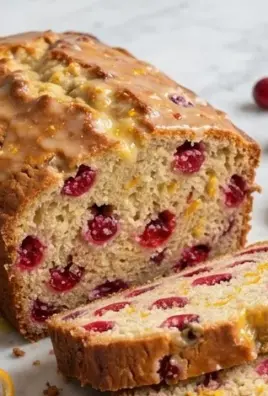
Rustic No-Knead Cranberry Orange Bread This rustic no-knead bread, studded with plumped cranberries and fragrant orange zest, is a joy to make, especially during cooler months. It relies on a long, slow fermentation to develop its wonderful flavor and chewy texture, meaning you don’t need to be a seasoned baker or have strong arms to achieve a fantastic result. The magic happens overnight, with minimal effort from you. The smell of oranges and warm bread filling your kitchen is truly something special. It’s perfect for a cozy breakfast, a satisfying snack, or even as a simple accompaniment to soup. Ingredients: 3 cups all purpose flour ½ tsp. active dry yeast 2 tsp. salt 1½ cups water zest of 2 oranges ¾ cup “plumped” dried cranberries Preparing the Dough The first step is to combine the dry ingredients. In a large mixing bowl, whisk together the all purpose flour, active dry yeast, and salt. Make sure everything is well distributed. Now, add the wet ingredients. Pour in the 1½ cups of water. Then, add the zest of your two oranges directly into the bowl. This will instantly release that wonderful citrus aroma. Finally, toss in your plumped dried cranberries. To “plump” the cranberries, I usually soak them in a little warm water or orange juice for about 15-20 minutes before draining them. This helps them soften and prevents them from absorbing too much moisture from the dough later, which could lead to a denser crumb. Once everything is in the bowl, use a wooden spoon or a sp
Rustic No-Knead Cranberry Orange Bread
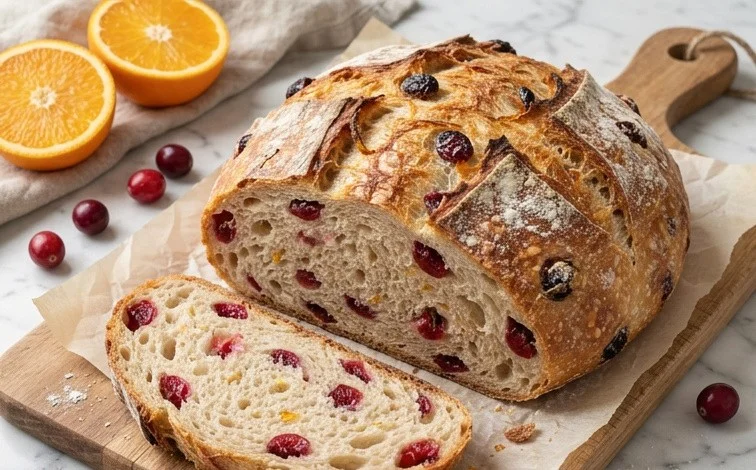
This rustic no-knead bread, studded with plumped cranberries and fragrant orange zest, is a joy to make, especially during cooler months. It relies on a long, slow fermentation to develop its wonderful flavor and chewy texture, meaning you don’t need to be a seasoned baker or have strong arms to achieve a fantastic result. The magic happens overnight, with minimal effort from you. The smell of oranges and warm bread filling your kitchen is truly something special. It’s perfect for a cozy breakfast, a satisfying snack, or even as a simple accompaniment to soup.
Ingredients:
- 3 cups all purpose flour
- ½ tsp. active dry yeast
- 2 tsp. salt
- 1½ cups water
- zest of 2 oranges
- ¾ cup “plumped” dried cranberries
Preparing the Dough
The first step is to combine the dry ingredients. In a large mixing bowl, whisk together the all purpose flour, active dry yeast, and salt. Make sure everything is well distributed. Now, add the wet ingredients. Pour in the 1½ cups of water. Then, add the zest of your two oranges directly into the bowl. This will instantly release that wonderful citrus aroma. Finally, toss in your plumped dried cranberries. To “plump” the cranberries, I usually soak them in a little warm water or orange juice for about 15-20 minutes before draining them. This helps them soften and prevents them from absorbing too much moisture from the dough later, which could lead to a denser crumb. Once everything is in the bowl, use a wooden spoon or a spatula to mix it all together. You’re not looking for a perfectly smooth dough here. It will be shaggy and sticky, and that’s exactly what you want. Just mix until there are no dry bits of flour left.
The Overnight Fermentation
Cover the bowl tightly with plastic wrap or a damp kitchen towel. This is the part where patience is key. Leave the bowl to sit at room temperature for at least 12 hours, or even up to 18 hours. This long, slow rise is what allows the yeast to work its magic, developing flavor and creating those desirable air pockets. I usually mix the dough in the evening and leave it on my counter overnight. By morning, you’ll notice the dough has risen considerably and looks bubbly and alive. It should have doubled in size and have a slightly elastic quality to it, though it will still be quite sticky. Don’t be tempted to add more flour at this stage; the stickiness is beneficial for the texture of the final bread.
Shaping and Second Rise
When you’re ready to bake, generously flour a clean work surface. Gently scrape the dough out of the bowl onto the floured surface. Try not to deflate it too much. At this point, you can lightly shape the dough. I like to gently fold the edges towards the center a few times to create a rough ball shape. This helps to build a little tension in the surface of the dough, which will contribute to a better crust. You don’t need to knead it; just a few gentle folds are enough. Lightly flour the top of the dough and then cover it with a clean kitchen towel or plastic wrap. Let it rest for another 30 to 60 minutes while your oven preheats. During this time, the dough will relax and puff up slightly again.
Baking to Perfection
Preheat your oven to 450 degrees Fahrenheit (230 degrees Celsius). A key to a good crust with no-knead bread is baking it in a preheated Dutch oven or a heavy, oven-safe pot with a lid. Place your Dutch oven (with the lid on) into the oven while it preheats. This ensures the pot is screaming hot when the dough goes in, creating steam that helps the bread expand and develop a beautiful, crackly crust. Once the oven and Dutch oven are fully preheated, carefully remove the hot Dutch oven from the oven. Remove the lid. Using parchment paper can make transferring the dough easier and cleaner. Carefully lift the dough, using the parchment paper if you chose to use it, and gently place it into the hot Dutch oven. You can score the top of the bread with a sharp knife or a lame if you like, but it’s not essential for this rustic loaf. Place the lid back on the Dutch oven and carefully return it to the hot oven. Bake with the lid on for 30 minutes.
After 30 minutes, remove the lid from the Dutch oven. You’ll see the bread has puffed up and is starting to turn golden brown. Continue baking for another 15 to 25 minutes, or until the crust is a deep golden brown and the internal temperature of the bread reaches around 200-210 degrees Fahrenheit (93-99 degrees Celsius) when checked with an instant-read thermometer. If you don’t have a thermometer, you can tap the bottom of the loaf; it should sound hollow. Once baked, carefully remove the bread from the Dutch oven and place it on a wire rack to cool completely. This cooling period is important for the texture of the crumb to set properly. Resist the urge to slice into it immediately; at least an hour of cooling is recommended. Enjoy your beautiful, homemade rustic cranberry orange bread!
Conclusion:
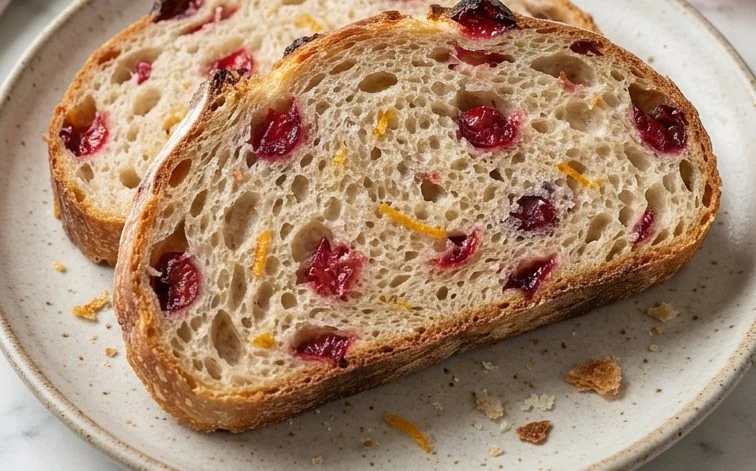
This Rustic No-Knead Cranberry Orange Bread really is as simple and rewarding as it sounds. The overnight fermentation does all the hard work, developing a deep flavor and a wonderfully chewy crumb that might surprise you coming from such minimal effort. The combination of tart cranberries and bright orange zest makes it a standout loaf, perfect for holidays or just a special weekend treat. Slice it thick and enjoy it plain, or serve it warm with a smear of butter. It also pairs beautifully with a mild cheese or alongside a hearty stew. Consider adding a handful of chopped walnuts or pecans for extra texture, or a pinch of cardamom to the dry ingredients for a warmer spice note. Give this no-knead bread a try – you might find it becomes your new go-to for a truly satisfying homemade loaf.
Frequently Asked Questions:
Can I make this bread ahead of time?
Absolutely. The dough is designed to ferment overnight. Once baked, the cooled bread keeps well at room temperature for a couple of days, wrapped in plastic wrap or in an airtight container. It also freezes beautifully if you want to keep it longer.
What kind of flour is best for this recipe?
All-purpose flour works perfectly and is what the recipe calls for, giving you that ideal balance of structure and tenderness. You could experiment with a portion of whole wheat flour, but it might make the bread a bit denser.
How do I know if my yeast is still active?
To check if your active dry yeast is good, you can test it. Sprinkle the yeast into a small bowl with about ¼ cup of warm water (around 105-115°F or 40-46°C) and a pinch of sugar. Let it sit for 5-10 minutes. If it becomes foamy and bubbly, it’s active and ready to use. If nothing happens, your yeast is likely dead and needs replacing.
Rustic No-Knead Cranberry Orange Bread
A simple and delicious no-knead bread bursting with festive cranberry and orange flavors, perfect for any occasion.
Ingredients
-
3 cups all purpose flour
-
½ tsp. active dry yeast
-
2 tsp. salt
-
1½ cups water
-
zest of 2 oranges
-
¾ cup plumped dried cranberries
Instructions
-
Step 1
In a large bowl, whisk together flour, yeast, and salt. Add water and orange zest. Stir until just combined, no dry spots remain. The dough will be shaggy and sticky. -
Step 2
Cover the bowl tightly with plastic wrap or a damp cloth. Let it rest at room temperature for at least 12 hours, or up to 18 hours, allowing the dough to rise and develop flavor. -
Step 3
Gently fold in the plumped dried cranberries until evenly distributed throughout the dough. -
Step 4
Lightly flour a work surface. Turn the dough out onto the floured surface. Shape it gently into a round or oval loaf. Avoid overworking the dough. -
Step 5
Place the dough on a piece of parchment paper. Cover loosely and let it rest for another 30 minutes while you preheat your oven and Dutch oven. -
Step 6
Preheat oven to 450°F (230°C). Place a Dutch oven with its lid in the oven for at least 30 minutes. -
Step 7
Carefully remove the hot Dutch oven from the oven. Using the parchment paper, carefully lower the dough into the Dutch oven. Cover with the lid. -
Step 8
Bake for 30 minutes with the lid on. Remove the lid and bake for another 15-20 minutes, or until the crust is golden brown and the internal temperature reaches 200-210°F (93-99°C). -
Step 9
Remove the bread from the Dutch oven and let it cool completely on a wire rack before slicing.
Important Information
Nutrition Facts (Per Serving)
It is important to consider this information as approximate and not to use it as definitive health advice.
Allergy Information
Please check ingredients for potential allergens and consult a health professional if in doubt.
Leave a Comment