
The scent of cinnamon and sugar fills my kitchen every December. It’s a signal that my favorite time of year has arrived, the time for making Christmas candy. This year, I wanted to go back to the basics, to the recipes that our grandmothers and great-grandmothers likely made. These are simple, honest candies that taste like pure Christmas. Forget complicated techniques; these are all about good ingredients and a little patience. I’ve gathered 58 of them for you, focusing on those classic flavors and textures that evoke the warmth of a holiday gathering. If you’re looking to reconnect with traditional holiday baking, or simply want to fill your home with the comforting aroma of homemade sweets, these old-fashioned Christmas candies are a wonderful place to start. From creamy fudges to crunchy brittle, there’s a timeless treat here for everyone. Let’s get started on this sweet tradition.
Classic Christmas Fudge
This is the bedrock of old-fashioned Christmas candy. It’s creamy, rich, and so satisfying. Making fudge might seem intimidating, but it’s really about controlling the temperature. Ingredients: 1 cup granulated sugar, 1/2 cup packed light brown sugar, 1/4 cup corn syrup, 1/2 cup water, 1/2 teaspoon salt, 1 teaspoon vanilla extract, 1/4 cup chopped pecans (optional), 1/4 cup butter, softened. Step 1: Combine Sugar, Syrup, and Water. In a heavy-bottomed saucepan, combine the granulated sugar, light brown sugar, corn syrup, water, and salt. Stir these ingredients together over medium heat until the sugars are completely dissolved. It’s important to stir gently to avoid splashing sugar crystals onto the sides of the pan, which can cause the whole batch to crystallize prematurely. Once the sugar is dissolved, stop stirring. Step 2: Cook to the Soft-Ball Stage. Now, clip a candy thermometer to the side of the saucepan, making sure the bulb is submerged in the syrup but not touching the bottom of the pan. Continue to cook the mixture over medium heat, without stirring, until the thermometer registers 235°F (113°C), which is the soft-ball stage. This usually takes about 10-15 minutes. Watch the temperature closely; going over can result in hard, brittle candy, while undercooking will leave it too soft to cut.
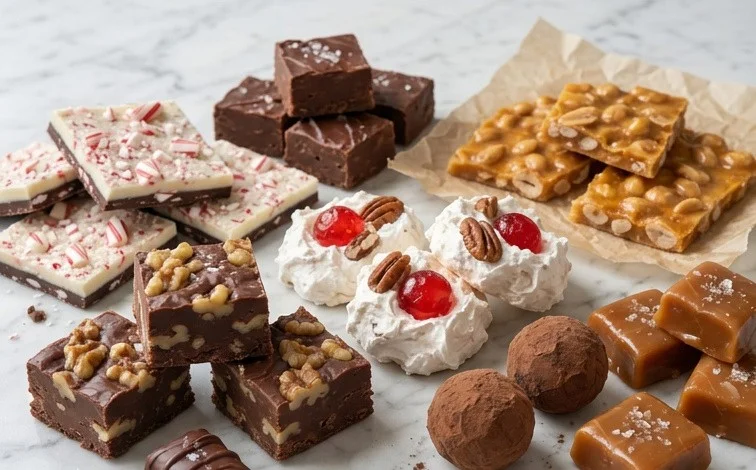
58 Old-Fashioned Christmas Candies
The scent of cinnamon and sugar fills my kitchen every December. It’s a signal that my favorite time of year has arrived, the time for making Christmas candy. This year, I wanted to go back to the basics, to the recipes that our grandmothers and great-grandmothers likely made. These are simple, honest candies that taste like pure Christmas. Forget complicated techniques; these are all about good ingredients and a little patience. I’ve gathered 58 of them for you, focusing on those classic flavors and textures that evoke the warmth of a holiday gathering.
Ingredients:
- 1 cup granulated sugar
- 1/2 cup packed light brown sugar
- 1/4 cup corn syrup
- 1/2 cup water
- 1/2 teaspoon salt
- 1 teaspoon vanilla extract
- 1/4 cup chopped pecans (optional)
- 1/4 cup butter, softened
Classic Christmas Fudge
This is the bedrock of old-fashioned Christmas candy. It’s creamy, rich, and so satisfying. Making fudge might seem intimidating, but it’s really about controlling the temperature.
Step 1: Combine Sugar, Syrup, and Water
In a heavy-bottomed saucepan, combine the granulated sugar, light brown sugar, corn syrup, water, and salt. Stir these ingredients together over medium heat until the sugars are completely dissolved. It’s important to stir gently to avoid splashing sugar crystals onto the sides of the pan, which can cause the whole batch to crystallize prematurely. Once the sugar is dissolved, stop stirring.
Step 2: Cook to the Soft-Ball Stage
Now, clip a candy thermometer to the side of the saucepan, making sure the bulb is submerged in the syrup but not touching the bottom. Bring the mixture to a boil over medium-high heat. Let it boil undisturbed until the thermometer reaches 237°F (114°C), which is the soft-ball stage. This usually takes about 10-15 minutes. Resist the urge to stir during this phase.
Step 3: Cool and Add Flavorings
Once the mixture reaches 237°F, immediately remove the pan from the heat. Let the syrup stand undisturbed until it cools to about 110°F (43°C). This cooling step is critical for developing the right texture. You can test if it’s cool enough by touching the side of the saucepan; it should feel lukewarm. Once cooled, stir in the vanilla extract. If you’re using chopped pecans, gently fold them in now.
Step 4: Beat the Fudge
This is where the magic happens. Begin beating the mixture vigorously with a wooden spoon or a sturdy spatula. You’ll notice the syrup will start to lose its gloss and become opaque, gradually thickening and changing color to a lighter, creamy brown. Continue beating until the fudge is stiff enough to hold its shape and starts to pull away from the sides of the pan. This takes about 8-10 minutes of steady beating. Don’t overbeat, or it can become crumbly.
Step 5: Mold and Set
Line an 8×8 inch baking pan with parchment paper, leaving some overhang on the sides to make lifting easier. Spread the fudge evenly into the prepared pan using a spatula. Smooth the top as best you can. Let the fudge sit at room temperature for at least 4 hours, or preferably overnight, to set completely. Once firm, lift the fudge out of the pan using the parchment paper and cut it into squares with a sharp knife. Store in an airtight container at room temperature.
This fudge is a wonderful base, and you can easily adapt it. For a chocolate version, melt 2-3 ounces of unsweetened chocolate with the sugars and water in the beginning. For peanut butter fudge, stir in 1/2 cup of creamy peanut butter after you remove the syrup from the heat and before you begin beating. The key is to experiment with what your family loves most! Making these traditional candies isn’t just about the delicious results; it’s about creating memories and sharing a piece of history with loved ones.
Conclusion:
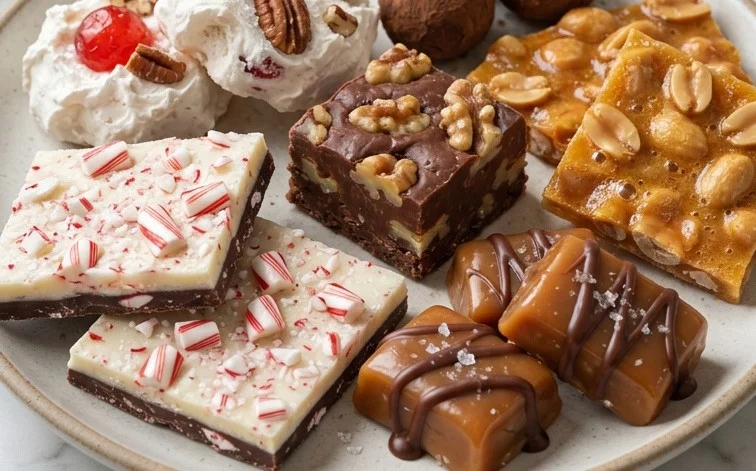
There’s a special magic in creating old-fashioned Christmas candies, a connection to holidays past that fills the home with warmth and joy. These recipes aren’t just about sweets; they’re about traditions, memories, and the simple pleasure of making something beautiful with your own hands. Whether you’re a seasoned candy maker or trying your hand for the first time, these classic recipes offer a rewarding experience. The rich, creamy fudge, the crisp peppermint bark, the chewy caramels – each one is a little piece of holiday history. Gather your ingredients, clear some counter space, and prepare to fill your home with the most wonderful aromas. These candies make thoughtful gifts, festive additions to any cookie platter, or simply a delightful treat to enjoy with a cup of hot cocoa by the fire. Don’t be afraid to experiment with variations; swap out nuts, add different extracts, or try a pinch of spice. The goal is to find what brings you and your loved ones the most holiday cheer.
Frequently Asked Questions:
Can I make these candies ahead of time?
Yes, most old-fashioned Christmas candies can be made several days, or even a week, in advance. Store them properly in airtight containers at room temperature to maintain their texture and flavor. Fudge, caramels, and brittle generally keep well. Candies with delicate coatings or fresh fruit inclusions might be best made closer to when you plan to serve them.
What if my candy didn’t set properly?
Undercooking is usually the culprit for candy that doesn’t set. If your fudge is too soft, it likely didn’t reach the correct temperature (soft-ball stage). If your caramel is too runny, it was also undercooked. For future batches, be sure to use a reliable candy thermometer and cook to the exact temperature specified. Don’t stir once the sugar mixture reaches boiling point, as this can also affect setting.
Are there any nut-free options among these recipes?
Absolutely. While many old-fashioned candies include nuts like pecans or walnuts for texture, there are plenty of nut-free options. Think of classic peppermint bark, divinity, or simple sugar cookies. When a recipe lists nuts as optional, simply omit them. You can often substitute with seeds like pumpkin or sunflower seeds if you desire a bit of crunch, but many recipes are delicious and satisfying on their own without any additions.
58 Old-Fashioned Christmas Candies
A delightful collection of classic Christmas candies, perfect for holiday gifting and enjoyment.
Ingredients
-
Sugar
-
Corn syrup
-
Butter
-
Water
-
Milk
-
Vanilla extract
-
Chocolate chips
-
Peanut butter
-
Powdered sugar
-
Cream cheese
-
Coconut flakes
-
Nuts (such as pecans or walnuts)
-
Dried fruit (such as cranberries or raisins)
-
Molasses
-
Spices (such as cinnamon or nutmeg)
-
Egg whites
-
Lemon juice
-
Heavy cream
-
Condensed milk
-
Butterscotch chips
-
Peppermint extract
-
Green food coloring
-
Red food coloring
-
White chocolate chips
-
Marshmallows
-
Graham cracker crumbs
-
Shortening
-
Salt
-
Brown sugar
-
Maple syrup
-
Almond extract
-
Orange zest
-
Ginger
-
Cloves
-
Allspice
-
Honey
-
Melted butter
-
Cocoa powder
-
Vegetable oil
-
Cream of tartar
-
Halal Gelatin
-
Evaporated milk
-
Cinnamon
-
Nutmeg
-
Ground ginger
-
Ground cloves
-
Ground allspice
-
Candy corn
-
Powdered egg whites
-
Butterscotch
Instructions
-
Step 1
Prepare your baking sheets by lining them with parchment paper or wax paper. Have all your ingredients measured and ready. -
Step 2
In a saucepan, combine sugar, corn syrup, and water. Stir over medium heat until the sugar is dissolved. Bring to a boil without stirring until it reaches the desired temperature for candy making (often 240-300°F depending on the candy). -
Step 3
Remove from heat and carefully stir in butter, milk, and vanilla extract. For some recipes, you may add melted chocolate, peanut butter, or other flavorings at this stage. -
Step 4
Pour the mixture onto the prepared baking sheets or into molds as specified by individual candy recipes. Allow to cool and set. -
Step 5
Once set, break or cut the candies into individual pieces. Store in airtight containers at room temperature or in the refrigerator, depending on the type of candy. -
Step 6
For some candies, you will knead doughs, shape them, or dip them in coatings. Follow the specific instructions for each of the 58 recipes.
Important Information
Nutrition Facts (Per Serving)
It is important to consider this information as approximate and not to use it as definitive health advice.
Allergy Information
Please check ingredients for potential allergens and consult a health professional if in doubt.


Leave a Comment