
Mustard braised cabbage transforms a simple head of cabbage into something truly special. It’s a side dish that’s both comforting and bright, with the gentle tang of mustard cutting through the sweetness of the slow-cooked vegetables. This is the kind of recipe I often turn to when I have a head of cabbage sitting around and want a satisfying, flavorful accompaniment to grilled chicken, roasted beef sausages, or even just a simple piece of crusty bread. The broth and mustard meld together, creating a delicious sauce that coats every tender strand of cabbage. It’s a remarkably adaptable dish, perfect for weeknight dinners or Sunday suppers alike. The magic happens as the cabbage softens and absorbs all the savory and tangy flavors. You’ll find yourself making this mustard braised cabbage again and again.
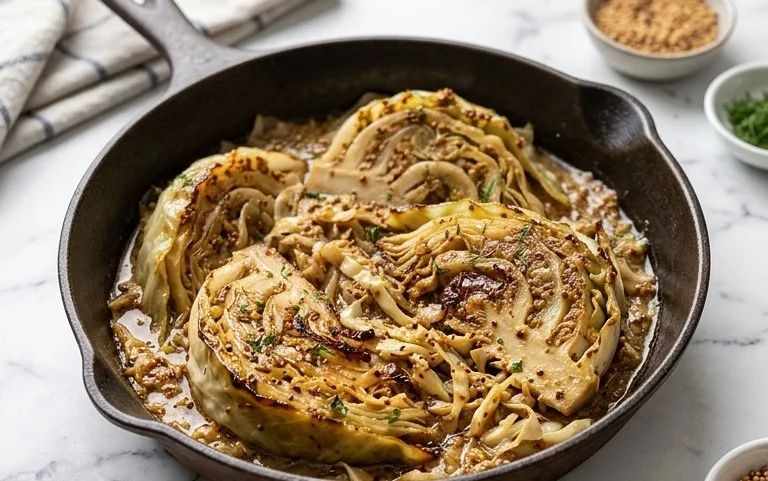
Mustard Braised Cabbage
Mustard braised cabbage turns humble cabbage into something special. It’s a side dish that’s both comforting and bright, with the gentle tang of mustard cutting through the sweetness of the slow-cooked vegetables. This is the kind of recipe I often turn to when I have a head of cabbage sitting around and want a satisfying, flavorful accompaniment to grilled chicken, roasted beef sausages, or even just a simple piece of crusty bread. The broth and mustard meld together, creating a delicious sauce that coats every tender strand of cabbage.
Ingredients:
- 4 tablespoons unsalted butter or olive oil
- 1 medium head green cabbage, sliced
- 1 medium white onion, sliced
- 4-5 cloves garlic, minced
- 2 1/2 cups broth, vegetable or chicken
- 1/2 cup mustard, any kind
- 1 teaspoon kosher salt
Cooking Instructions
Sautéing the Aromatics
The first step is to get our vegetables softened and fragrant. Melt the 4 tablespoons of unsalted butter or olive oil in a large pot or Dutch oven over medium heat. Once the butter is melted and shimmering, or the oil is warm, add the 1 medium white onion, sliced. We want to cook the onions until they start to soften and become translucent, which usually takes about 5-7 minutes. Stir them occasionally to prevent them from sticking. This process draws out the natural sweetness of the onions. After the onions have softened, add the 4-5 cloves of garlic, minced. Cook for another minute or two until the garlic is fragrant. Be careful not to burn the garlic, as it can turn bitter very quickly. You’ll know it’s ready when you can smell its lovely aroma filling your kitchen.
Wilting the Cabbage
Next, we introduce the star of the show: the cabbage. Add the 1 medium head green cabbage, sliced to the pot. It might seem like a lot of cabbage, but it will cook down significantly. Stir the cabbage into the softened onions and garlic, and let it cook for about 5-10 minutes, stirring frequently. The cabbage will begin to wilt and shrink in volume as its moisture is released. This wilting stage is important for making the cabbage more manageable and for beginning to tenderize it before we braise it. If your pot feels a bit crowded at this stage, don’t worry; just keep stirring and it will settle down.
Building the Braising Liquid
Now, we create the flavorful braising liquid that will transform the cabbage. Pour in the 2 1/2 cups of broth, vegetable or chicken. Make sure to scrape the bottom of the pot with your spoon to loosen any flavorful browned bits that may have stuck during the sautéing process. These bits add a wonderful depth of flavor to the final dish. Next, stir in the 1/2 cup of mustard, any kind. I often use a good quality Dijon mustard for its balanced tang, but a spicier brown mustard or even a whole-grain mustard can offer interesting texture and flavor. Whisk it into the broth until it’s mostly incorporated. Finally, add the 1 teaspoon of kosher salt. You can adjust the salt later if needed, once the flavors have melded, but this is a good starting point.
Braising to Perfection
With all the ingredients in the pot, it’s time to let them simmer and soften. Bring the mixture to a gentle simmer over medium-high heat. Once it’s simmering, reduce the heat to low, cover the pot tightly, and let it braise. This braising process is where the magic happens. The cabbage will become incredibly tender, and the flavors from the broth, mustard, and aromatics will infuse into every bite. You’ll want to let it braise for at least 30-40 minutes, or until the cabbage is tender to your liking. For a softer cabbage, you can cook it for a bit longer, up to an hour. Stir occasionally to ensure even cooking and to prevent anything from sticking to the bottom. If the liquid seems to be reducing too quickly, you can add a little more broth or water, a quarter cup at a time.
Finishing Touches and Serving
Once the cabbage is tender and has absorbed the delicious braising liquid, it’s ready to serve. Taste and adjust the seasoning with more salt if necessary. You might also find you want a little more tang; in that case, a small squeeze of lemon juice can brighten things up beautifully. The braised cabbage should be tender but still have a slight bite, and the liquid should have thickened slightly to coat the cabbage. Serve this mustard braised cabbage hot as a wonderful side dish. It pairs exceptionally well with roasted meats, grilled poultry, or hearty stews. It can also be a flavorful vegetarian option when served with a grain like quinoa or rice. Leftovers keep well in the refrigerator for a few days and can be gently reheated on the stovetop or in the microwave.
Conclusion:
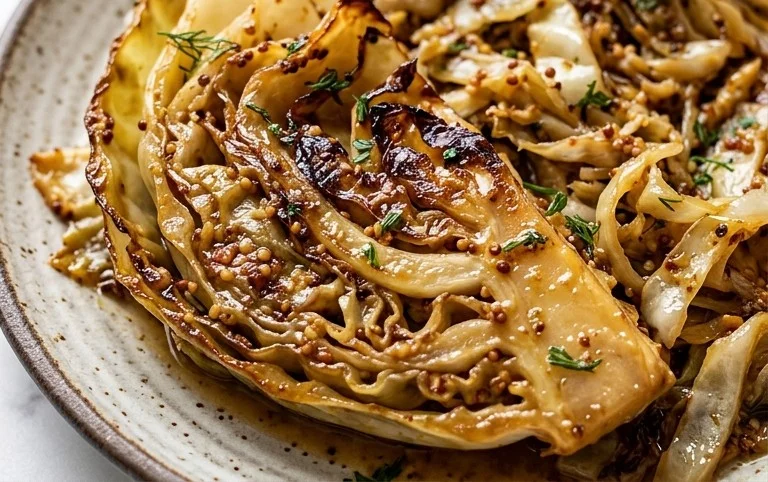
Mustard braised cabbage is a testament to how humble ingredients can become something extraordinary with just a little time and flavor. The combination of tender, sweet cabbage, savory broth, and the distinctive tang of mustard makes it a perfect side for so many meals. It’s a dish that proves simple cooking can be incredibly satisfying. Serve it alongside roasted meats like chicken or beef sausages, or even with a hearty stew. For a vegetarian option, it pairs wonderfully with vegetarian sausages or lentil loaf.
If you have extra cabbage, don’t hesitate to make a double batch; it keeps well and is often even better the next day. You can also add a pinch of red pepper flakes along with the garlic for a little warmth, or a bay leaf to the braising liquid for an extra layer of aroma. Experiment with different types of mustard – Dijon offers a sharper bite, while a whole grain mustard adds texture.
Frequently Asked Questions:
Can I use red cabbage instead of green?
Yes, you can absolutely use red cabbage. The cooking time might be slightly different, and the color will be more intense. Red cabbage braised with mustard will yield a beautiful, jewel-toned side dish.
How long does Mustard Braised Cabbage last?
This braised cabbage will keep in an airtight container in the refrigerator for up to 4 days. Reheat gently on the stovetop or in the microwave.
What other vegetables can I add?
Feel free to add sliced carrots or parsnips along with the onions to the pot. They will become tender and slightly sweet during the braising process, complementing the cabbage nicely.
Mustard Braised Cabbage
A simple and flavorful braised cabbage dish with a tangy mustard sauce.
Ingredients
-
4 tablespoons unsalted butter or olive oil
-
1 medium head green cabbage, sliced
-
1 medium white onion, sliced
-
4-5 cloves garlic, minced
-
2 1/2 cups vegetable broth
-
1/2 cup Dijon mustard
-
1 teaspoon kosher salt
Instructions
-
Step 1
Melt the butter or heat the olive oil in a large pot or Dutch oven over medium heat. -
Step 2
Add the sliced onion and cook until softened, about 5-7 minutes. -
Step 3
Add the minced garlic and cook for another minute until fragrant. -
Step 4
Add the sliced cabbage to the pot, stirring to coat with the onions and garlic. -
Step 5
Pour in the vegetable broth and whisk in the Dijon mustard and kosher salt until well combined. -
Step 6
Bring the mixture to a simmer, then cover the pot and reduce the heat to low. Cook for 20-25 minutes, or until the cabbage is tender, stirring occasionally. -
Step 7
Remove the lid and continue to simmer for an additional 5 minutes to allow the sauce to thicken slightly, if desired.
Important Information
Nutrition Facts (Per Serving)
It is important to consider this information as approximate and not to use it as definitive health advice.
Allergy Information
Please check ingredients for potential allergens and consult a health professional if in doubt.


Leave a Comment