
The subtle aroma of Earl Grey tea, with its hint of bergamot, is the inspiration for these London Fog shortbread cookies. They bring that comforting, cafe-style flavor right into your kitchen, perfect with a cup of tea or coffee. These cookies are wonderfully crumbly with a tender bite, and the specks of tea leaves add a visual interest and a delightful texture. They’re relatively simple to make, a great project for an afternoon when you want something a little special. Ingredients: 1 cup unsalted butter, softened 2/3 cup powdered sugar 1 3/4 cup all-purpose flour 1 tsp pure vanilla extract 1 1/2 tbsp Earl Grey tea leaves (crushed) 1/2 tsp salt 2 tbsp decorating sugar Making the Dough The first step is to get your butter properly softened. It shouldn’t be melted, but spreadable and creamy. This usually takes about an hour at room temperature. If you’re short on time, you can cut the butter into smaller cubes and let it sit for about 20-30 minutes. In a large mixing bowl, cream together the softened unsalted butter and the powdered sugar. You can use an electric mixer for this, starting on a low speed and gradually increasing. Beat them together until the mixture is light and fluffy, with no grainy texture from the sugar. This process incorporates air, which helps with the cookie’s texture. Next, whisk together your dry ingredients. In a separate medium bowl, combine the all-purpose flour, the crushed Earl Grey tea leaves, and the salt. Give it a good whisk to ensure everything is evenly distributed. This is important so you don’t end up with pockets of salt or tea leaves in your cookies. The vanilla extract will be added with the wet ingredients. Now, gradually add the dry ingredients to the creamed butter and sugar mixture. Mix on low speed until just combined. Be careful not to overmix at this stage, as overmixing can develop the gluten in the flour, leading to tougher cookies. The dough will be crumbly and a bit shaggy. Add the vanilla extract to the dough. Stir it in gently with a spatula or wooden spoon until it’s mostly incorporated. The dough should start to come together. If it seems too dry and won’t hold together, you can add another teaspoon of milk or cream, but do so very sparingly, one drop at a time. It’s better to have slightly crumbly dough that you can press together than dough that is too wet. Chilling the Dough Once the dough is formed, it needs to chill. This step is crucial for shortbread. Wrap the dough tightly in plastic wrap, forming it into a flat disc or log shape. Refrigerate for at least 30 minutes, or up to 2 days. Chilling solidifies the butter, making the dough easier to handle and preventing the cookies from spreading too much during baking. This also allows the flavors to meld together. Shaping the Cookies After chilling, the dough should be firm. If you made a log, you can slice it into rounds. If you have a disc, you can roll it out between two sheets of parchment paper to about 1/4 inch thickness and then use cookie cutters. For a classic shortbread look, press the dough into a round or rectangular pan and then score it into wedges or bars before baking. If using cookie cutters, work relatively quickly so the dough doesn’t warm up too much. Reroll scraps gently. You can also press the dough into small, individual shortbread rounds using your hands or cookie molds. Make sure the thickness is consistent for even baking. You can lightly dust your surface and cutters with flour if needed, but try not to add too much extra flour. Baking and Finishing Preheat your oven to 325°F (160°C). Line baking sheets with parchment paper. Arrange the shaped cookies on the prepared baking sheets, leaving about an inch between them. If you want a decorative touch, sprinkle the tops with decorating sugar. This sugar adds a lovely sparkle and a slight crunch. Bake for 15-20 minutes, or until the edges are lightly golden brown. The centers should still look pale. Keep a close eye on them as shortbread can go from perfectly baked to overdone very quickly. Shortbread doesn’t spread much, so you don’t need a lot of space between them. Once baked, let the cookies cool on the baking sheet for about 5-10 minutes. They will be fragile when hot. Then, carefully transfer them to a wire rack to cool completely. If you scored a larger piece of dough, cut along the scored lines while the cookies are still warm. Enjoying Your London Fog Shortbread Cookies Once cooled, these London Fog shortbread cookies are ready to be enjoyed. They pair wonderfully with a hot cup of tea, especially Earl Grey, or a simple coffee. The crumbly texture and subtle tea flavor make them an elegant treat for an afternoon break or a light dessert. Store any leftovers in an airtight container at room temperature for up to 5 days. They tend to get even better as the flavors meld.
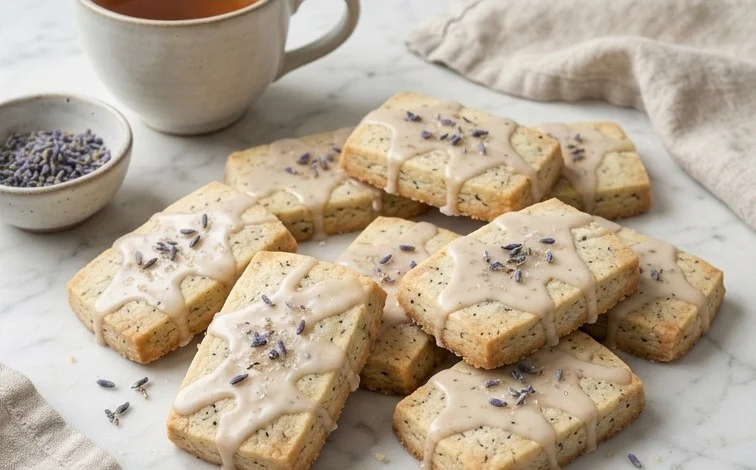
The subtle aroma of Earl Grey tea, with its hint of bergamot, is the inspiration for these London Fog shortbread cookies. They bring that comforting, cafe-style flavor right into your kitchen, perfect with a cup of tea or coffee. These cookies are wonderfully crumbly with a tender bite, and the specks of tea leaves add a visual interest and a delightful texture. They’re relatively simple to make, a great project for an afternoon when you want something a little special.
Ingredients:
- 1 cup unsalted butter, softened
- 2/3 cup powdered sugar
- 1 3/4 cup all-purpose flour
- 1 tsp pure vanilla extract
- 1 1/2 tbsp Earl Grey tea leaves (crushed)
- 1/2 tsp salt
- 2 tbsp decorating sugar
Making the Dough
The first step is to get your butter properly softened. It shouldn’t be melted, but spreadable and creamy. This usually takes about an hour at room temperature. If you’re short on time, you can cut the butter into smaller cubes and let it sit for about 20-30 minutes. In a large mixing bowl, cream together the softened unsalted butter and the powdered sugar. You can use an electric mixer for this, starting on a low speed and gradually increasing. Beat them together until the mixture is light and fluffy, with no grainy texture from the sugar. This process incorporates air, which helps with the cookie’s texture.
Next, whisk together your dry ingredients. In a separate medium bowl, combine the all-purpose flour, the crushed Earl Grey tea leaves, and the salt. Give it a good whisk to ensure everything is evenly distributed. Crushing the tea leaves is important for better flavor integration and a more even distribution within the cookie dough. You can do this by placing the tea leaves in a small bag and gently rolling over them with a rolling pin, or by giving them a quick pulse in a spice grinder or small food processor. Be careful not to over-process them into a powder; you want small, visible flecks.
Now, it’s time to combine the wet and dry ingredients. Add the vanilla extract to the creamed butter and sugar mixture and give it a quick mix. Then, gradually add the dry ingredients to the wet ingredients. Mix on a low speed until just combined. It’s very important not to overmix the dough at this stage. Overmixing can develop the gluten in the flour, leading to tough cookies. The dough should look crumbly but hold together when you gently press it.
Shaping and Chilling
Once your dough is mixed, it’s time to shape it. Divide the dough in half. On a lightly floured surface, or between two sheets of parchment paper, shape each half into a log about 1 1/2 to 2 inches in diameter. You can then roll the log in plastic wrap or parchment paper, smoothing the sides to create an even cylinder. This shape makes it easy to slice the cookies uniformly later.
After shaping, you need to chill the dough. This step is crucial for shortbread. Wrap the logs tightly in plastic wrap and refrigerate them for at least 2 hours, or until firm. Chilling solidifies the butter, which prevents the cookies from spreading too much during baking, ensuring they keep their shape and develop that characteristic shortbread crumb. You can also make the dough logs ahead of time and keep them in the refrigerator for up to 3 days, or even freeze them for up to 3 months. If frozen, thaw them in the refrigerator overnight before slicing.
Baking the Cookies
When you’re ready to bake, preheat your oven to 325°F (160°C). Line baking sheets with parchment paper. Remove the chilled dough logs from the refrigerator and unwrap them. Use a sharp knife to slice the logs into cookies about 1/4-inch thick. If the dough is too hard to slice cleanly, let it sit at room temperature for a few minutes until it’s just soft enough to slice without crumbling.
Arrange the sliced cookies on the prepared baking sheets, leaving about 1 inch of space between them. They won’t spread a lot, but some spreading is expected. If you like a bit of sparkle and extra crunch, gently press the tops of the cookies into the decorating sugar. This is optional, but it adds a lovely finish.
Bake the cookies for 18 to 22 minutes, or until the edges are lightly golden. The centers should still appear pale. Keep a close eye on them, as shortbread can go from perfectly baked to overdone very quickly due to the butter content. They will continue to set up as they cool. Once baked, let them cool on the baking sheets for about 5 minutes before carefully transferring them to a wire rack to cool completely.
Cooling and Storage
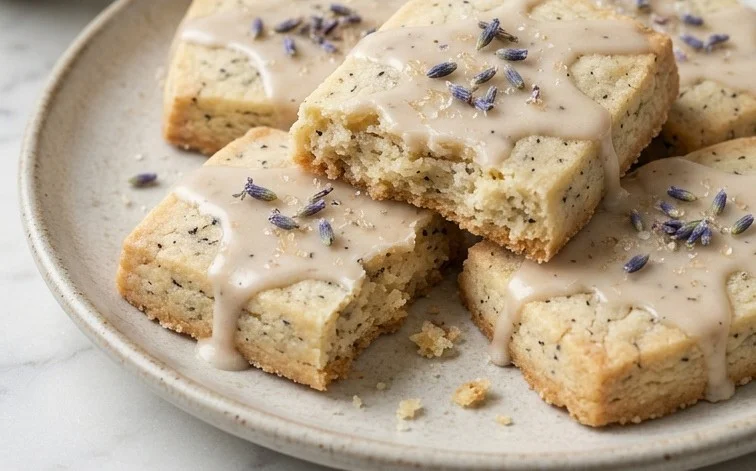
Allow the London Fog shortbread cookies to cool completely on a wire rack. This allows them to firm up properly and develop their signature crumbly texture. Once fully cooled, you can store them in an airtight container at room temperature. They will stay fresh for about 5 to 7 days. If you like, you can place parchment paper between layers of cookies to prevent them from sticking together. These cookies are also great for making ahead and are perfect for gifting or enjoying throughout the week.
Conclusion:
These London Fog shortbread cookies are a wonderful way to bring a touch of cafe elegance into your home. They are a comforting treat, with their signature crumbly texture and the delicate flavor of Earl Grey tea. They are simple enough for a casual afternoon baking session but special enough for guests. The subtle bergamot notes from the tea are a delightful surprise. They make a beautiful addition to a tea time spread or a light, satisfying dessert. I hope you enjoy making and sharing these special cookies. Remember to chill the dough properly for the best texture and to avoid spreading. Store them in an airtight container, and they’ll keep well for several days, though they rarely last that long!
Frequently Asked Questions:
Can I use a different type of tea?
While Earl Grey is key to the London Fog flavor, you could experiment with other black teas. Assam or a strong English Breakfast might work, but they won’t have the distinct bergamot note. If you try another tea, make sure it’s finely ground for the best distribution.
My cookies spread too much. What went wrong?
This usually happens if the butter is too soft when you start mixing, or if the dough hasn’t been chilled sufficiently before baking. Ensure your butter is softened but not melted, and give the dough at least 30 minutes in the refrigerator.
Can I add milk or cream to the dough?
The recipe as written should create a crumbly dough that holds together when pressed. If it seems excessively dry, a teaspoon of milk or cream can be added very sparingly. Be cautious, as too much liquid will make the cookies spread and become tough.
London Fog Shortbread Cookies
Delicate shortbread cookies infused with the comforting flavors of Earl Grey tea and vanilla, with a hint of sweetness from decorating sugar. Inspired by the classic London Fog latte.
Ingredients
-
1 cup unsalted butter, softened
-
2/3 cup powdered sugar
-
1 3/4 cup all-purpose flour
-
1 tsp pure vanilla extract
-
1 1/2 tbsp Earl Grey tea leaves, crushed
-
1/2 tsp salt
-
2 tbsp decorating sugar
Instructions
-
Step 1
In a large bowl, cream together the softened butter and powdered sugar until light and fluffy. -
Step 2
Beat in the vanilla extract until well combined. -
Step 3
In a separate bowl, whisk together the all-purpose flour, crushed Earl Grey tea leaves, and salt. -
Step 4
Gradually add the dry ingredients to the wet ingredients, mixing until just combined and a dough forms. Do not overmix. -
Step 5
Turn the dough out onto a lightly floured surface and gently form it into a disc. Wrap in plastic wrap and chill for at least 30 minutes. -
Step 6
Preheat your oven to 350°F (175°C). Line baking sheets with parchment paper. -
Step 7
Roll out the chilled dough to about 1/4 inch thickness. Cut out shapes using cookie cutters. -
Step 8
Place the cookies on the prepared baking sheets and sprinkle the tops with decorating sugar. -
Step 9
Bake for 12-15 minutes, or until the edges are lightly golden. Let cool on the baking sheets for a few minutes before transferring to a wire rack to cool completely.
Important Information
Nutrition Facts (Per Serving)
It is important to consider this information as approximate and not to use it as definitive health advice.
Allergy Information
Please check ingredients for potential allergens and consult a health professional if in doubt.


Leave a Comment