
Puerto Rican Coquito, often called "Los Ponches de Navidad," is a creamy, spiced coconut-based drink that’s synonymous with Hispanic Christmas celebrations. While the name translates to "little coconut," this drink is anything but little in flavor. It’s a rich, sweet, and wonderfully aromatic concoction that brings families together during the holidays. My family has been making this every year for as long as I can remember, and the smell of cinnamon and coconut filling the kitchen is one of my favorite holiday memories. It’s a drink meant to be shared, savored slowly, and enjoyed with good company and delicious food. This recipe is based on a traditional version, focusing on those essential, comforting flavors that make Coquito so special. Ingredients: 1 can (13.5 oz) evaporated milk 1 can (13.5 oz) coconut milk (full-fat, unsweetened) 1 can (15 oz) cream of coconut (like Coco Lopez) 1 teaspoon ground cinnamon 1 teaspoon ground nutmeg 1/2 teaspoon ground cloves 1/4 teaspoon salt 1 teaspoon vanilla extract Making the Coquito Step 1: Prepare Your Base Start by gathering all your ingredients. It’s important to have everything measured out and ready to go, especially since the blending process moves quickly. You’ll need a blender that can handle creamy mixtures smoothly. Open your can of evaporated milk and pour it into the blender. This milk provides a rich, velvety texture without being too heavy. Next, add the full-fat coconut milk to the blender. This unsweetened coconut milk is key to achieving that authentic tropical flavor without adding extra sugar, as the cream of coconut will provide plenty of sweetness. Ensure you use full-fat for the best creamy consistency. Step 2: Add Sweetness and Spice Pour in the can of cream of coconut. This is where a lot of the characteristic sweetness and creamy body of the coquito comes from. Next, add the ground cinnamon, ground nutmeg, ground cloves, and salt. These spices are what give coquito its warm, festive aroma and taste that is so reminiscent of the holiday season. Finally, add the vanilla extract for another layer of comforting flavor. Step 3: Blend Until Smooth Secure the lid on your blender. Begin blending on a low speed, gradually increasing to high. Blend for about 1 to 2 minutes, or until the mixture is completely smooth, creamy, and well combined. You shouldn’t see any streaks of coconut milk or spices; it should look like a thick, homogenous liquid. Make sure your blender is powerful enough to emulsify the ingredients into a luscious drink. Step 4: Chill Thoroughly Pour the blended coquito into airtight bottles or jars. You’ll want to chill it in the refrigerator for at least 4 hours, but overnight is even better. This chilling time is crucial for the flavors to meld together and for the drink to thicken to its desired consistency. The colder, the better when it comes to serving this delicious holiday treat. Step 5: Serve and Garnish Before serving, give the bottles a good shake or stir to reincorporate any ingredients that may have settled. Ladle the chilled coquito into small glasses or mugs. Garnish with a sprinkle of ground cinnamon on top. Some people also like to add a cinnamon stick for an extra festive touch. Enjoy your homemade Puerto Rican Coquito!
Puerto Rican Coquito Recipe – Coquito de Puerto Rico
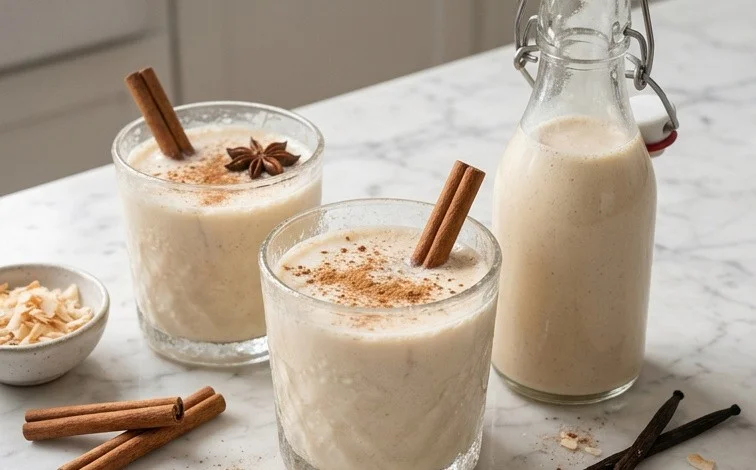
Puerto Rican Coquito, often called “Los Ponches de Navidad,” is a creamy, spiced coconut-based drink that’s synonymous with Hispanic Christmas celebrations. While the name translates to “little coconut,” this drink is anything but little in flavor. It’s a rich, sweet, and wonderfully aromatic concoction that brings families together during the holidays. My family has been making this every year for as long as I can remember, and the smell of cinnamon and coconut filling the kitchen is one of my favorite holiday memories. It’s a drink meant to be shared, savored slowly, and enjoyed with good company and delicious food. This recipe is based on a traditional version, focusing on those essential, comforting flavors that make Coquito so special.
Ingredients:
- 1 can (13.5 oz) evaporated milk
- 1 can (13.5 oz) coconut milk (full-fat, unsweetened)
- 1 can (15 oz) cream of coconut (like Coco Lopez)
- 1 teaspoon ground cinnamon
- 1 teaspoon ground nutmeg
- 1/2 teaspoon ground cloves
- 1/4 teaspoon salt
- 1 teaspoon vanilla extract
Making the Coquito
Step 1: Prepare Your Base
Start by gathering all your ingredients. It’s important to have everything measured out and ready to go, especially since the blending process moves quickly. You’ll need a blender that can handle creamy mixtures smoothly. Open your can of evaporated milk and pour it into the blender. This milk provides a rich, velvety texture without being too heavy. Next, add the full-fat coconut milk. Using full-fat coconut milk is key to achieving that authentic, decadent mouthfeel that makes Coquito so satisfying. If you use light coconut milk, the texture won’t be as thick and creamy.
Step 2: Sweeten and Spice
Now it’s time to add the sweetness and the signature holiday spices. Pour in the can of cream of coconut. This ingredient is already sweetened and provides a concentrated coconut flavor and a syrupy consistency that’s essential for Coquito. Be sure to use a brand specifically labeled “cream of coconut,” not just coconut cream. Then, add the ground cinnamon, nutmeg, and cloves. These spices are what give Coquito its warm, festive aroma and taste. Some people prefer to add a pinch more cinnamon or nutmeg to their liking, so feel free to adjust slightly based on your preference. Finally, add the salt. A little salt actually enhances the sweetness and balances the flavors beautifully.
Step 3: Blend Until Smooth
Secure the lid on your blender and blend the mixture on medium speed for about 1 minute, or until everything is thoroughly combined and smooth. You don’t need to over-blend; just ensure there are no streaks of milk or spices visible and that the mixture has a uniform consistency. Pause the blender halfway through to scrape down the sides with a spatula if needed, making sure all ingredients are incorporated. A smooth blend is important for the final texture.
Step 4: Add the Vanilla and Blend Again
Once the base mixture is smooth, it’s time to add the vanilla extract. Vanilla extract adds a lovely depth of flavor that complements the coconut and spices. Pour in the teaspoon of vanilla extract. Blend for another 15-30 seconds, just enough to fully incorporate the vanilla into the coquito mixture. Again, avoid over-blending at this stage. The goal is a perfectly smooth, homogenous liquid.
Step 5: Chill and Serve
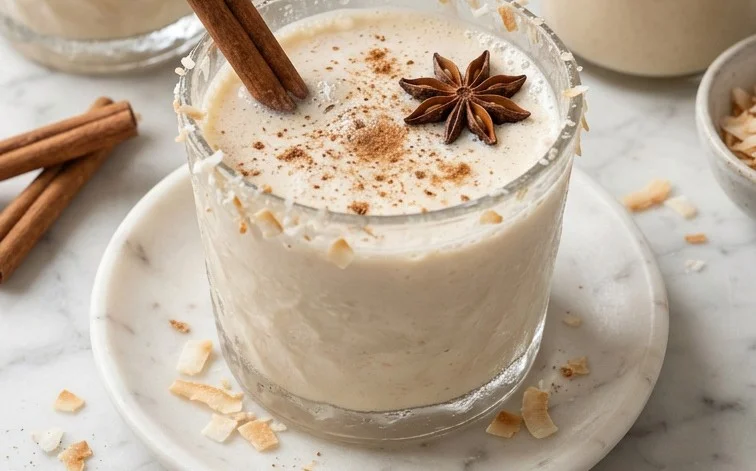
This is where patience comes in. Transfer the blended coquito into airtight bottles or jars. It’s best to chill the coquito thoroughly in the refrigerator for at least 4 hours, or ideally overnight. This chilling period allows the flavors to meld and deepen, and the coquito will thicken further to its perfect, luscious consistency. Before serving, give the bottles a good shake to redistribute the ingredients, as natural separation can occur. Serve the coquito well-chilled. Traditionally, it’s served in small glasses, often garnished with a sprinkle of ground cinnamon on top. This is a drink that’s best enjoyed cold, so make sure your refrigerator is ready for a batch! You can store any leftovers in the refrigerator for up to a week. It’s a wonderful way to keep the holiday spirit alive long after the main festivities.
Conclusion:
Making this Puerto Rican Coquito recipe at home is a rewarding experience, filling your kitchen with the inviting scents of coconut and holiday spices. It’s a traditional drink that embodies the warmth and joy of holiday gatherings, bringing a taste of Puerto Rico to your celebrations. The creamy texture and balanced sweetness, infused with cinnamon, nutmeg, and cloves, make it a memorable treat for everyone. Serve it chilled in small glasses, perhaps with an extra dash of cinnamon on top, alongside holiday cookies or traditional Puerto Rican pasteles.
This recipe is wonderful as is, but you can explore small variations. Some enjoy adding a pinch of ground ginger for a subtle zesty note, or even a drop of almond extract for a different aromatic profile. For those who prefer a thicker consistency, an extra tablespoon of cream of coconut can be added during blending. Remember, the key to perfect coquito is chilling it thoroughly to allow the flavors to deepen and the texture to become luxuriously smooth.
Frequently Asked Questions:
How long does coquito last?
Homemade coquito can be stored in an airtight container in the refrigerator for up to 1 to 2 weeks. Ensure it is kept well-chilled. Give it a good shake or stir before each serving as separation is natural.
Can I make coquito ahead of time?
Absolutely! Coquito is best made at least a day in advance. This allows the flavors to meld together beautifully and the drink to chill sufficiently. It makes holiday preparations much easier when a delicious festive drink is already ready to go.
What are the main spices in coquito?
The signature spices in traditional Puerto Rican coquito are cinnamon, nutmeg, and cloves. These warm spices are essential for creating the comforting and festive flavor profile that the drink is known for, especially during the Christmas season.
Puerto Rican Coquito Recipe – Coquito de Puerto Rico
A traditional Puerto Rican holiday beverage, Coquito is a creamy, coconut-based apple juice punch.
Ingredients
-
1 can (15 oz) cream of coconut
-
1 can (13.5 oz) full-fat coconut milk
-
1 can (12 oz) evaporated milk
-
1 can (14 oz) sweetened condensed milk
-
1/2 cup white apple juice
-
1 teaspoon ground cinnamon
-
1/4 teaspoon ground nutmeg
Instructions
-
Step 1
In a blender, combine the cream of coconut, coconut milk, evaporated milk, and sweetened condensed milk. -
Step 2
Blend until smooth and creamy, about 1 minute. -
Step 3
Add the white apple juice, ground cinnamon, and ground nutmeg to the blender. -
Step 4
Blend again until all ingredients are well combined. -
Step 5
Pour the coquito into bottles or a large pitcher. -
Step 6
Refrigerate for at least 2 hours, or until thoroughly chilled. The longer it chills, the better the flavors meld. -
Step 7
Shake or stir before serving. Garnish with a sprinkle of cinnamon.
Important Information
Nutrition Facts (Per Serving)
It is important to consider this information as approximate and not to use it as definitive health advice.
Allergy Information
Please check ingredients for potential allergens and consult a health professional if in doubt.


Leave a Comment