
The scent of fall isn’t just in the crisp air; it’s a comforting embrace that fills our homes. Nothing captures that feeling quite like a simmering pot of fragrant spices and natural goodness on the stove. Stovetop simmer pots are a wonderfully simple way to infuse your living space with the warm, inviting aromas of autumn. They’re easy to make, customizable, and far more natural than artificial air fresheners. Simmer Pot vs Bowl Potpourri: What’s the Difference While both are designed to scent a space, a stovetop simmer pot uses gentle heat from your stove to release the fragrances of its ingredients into the air via steam. This creates a more immediate and potent aroma that travels throughout your home. A bowl potpourri, on the other hand, relies on air circulation to slowly release its scent, making it more subtle and best suited for smaller spaces like closets or bathrooms. For filling your whole home with that cozy autumn feeling, a simmer pot is the way to go. How to Make a Basic Stovetop Simmer Pot Making a simmer pot is incredibly straightforward. You’ll need a pot or saucepan, water, and your chosen aromatic ingredients. The key is to use enough water to cover your ingredients, and then to keep an eye on the water level throughout the simmering process, adding more as needed. Choosing Fresh vs Dried Ingredients Both fresh and dried ingredients work beautifully in a simmer pot. Fresh ingredients, like citrus peels and herbs, offer a brighter, more immediate scent release. Dried ingredients, such as whole spices and pinecones, provide a deeper, longer-lasting fragrance. You can mix and match them for a complex aroma. Common Mistakes to Avoid Overheating is the biggest pitfall. You want a gentle simmer, not a rolling boil, which can diminish the delicate scents and potentially scorch your ingredients. Also, don’t let the water level get too low; this can also lead to burning. Lastly, using too many strong ingredients at once can create an overwhelming smell. Start with a few elements and build up if desired. Experimentation is key to finding your perfect autumn scent. The beauty of autumn potpourri recipes is their flexibility. Feel free to adjust quantities based on the size of your pot and the intensity of the scent you desire. This personalized approach ensures your home smells exactly as you wish this fall season.
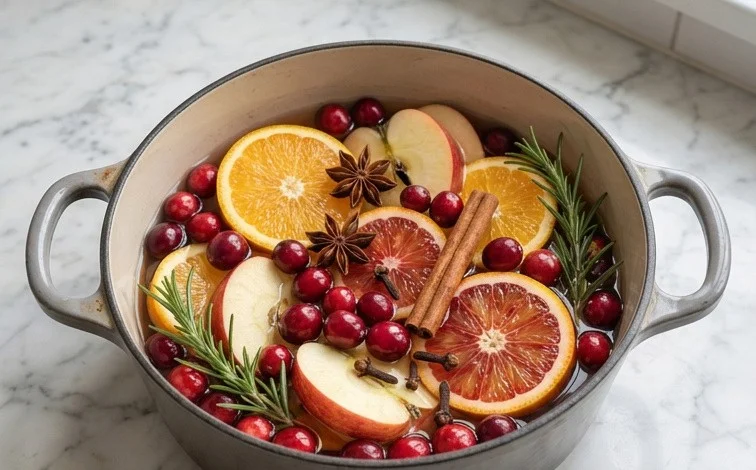
Autumn Potpourri Recipes: Stovetop Simmer Pot Blends for Fall
The scent of fall isn’t just in the crisp air; it’s a comforting embrace that fills our homes. Nothing captures that feeling quite like a simmering pot of fragrant spices and natural goodness on the stove. Stovetop simmer pots are a wonderfully simple way to infuse your living space with the warm, inviting aromas of autumn. They’re easy to make, customizable, and far more natural than artificial air fresheners.
Simmer Pot vs Bowl Potpourri: What’s the Difference
While both are designed to scent a space, a stovetop simmer pot uses gentle heat from your stove to release the fragrances of its ingredients into the air via steam. This creates a more immediate and potent aroma that travels throughout your home. A bowl potpourri, on the other hand, relies on air circulation to slowly release its scent, making it more subtle and best suited for smaller spaces like closets or bathrooms. For filling your whole home with that cozy autumn feeling, a simmer pot is the way to go.
How to Make a Basic Stovetop Simmer Pot
Making a simmer pot is incredibly straightforward. You’ll need a pot or saucepan, water, and your chosen aromatic ingredients. The key is to use enough water to cover your ingredients, and then to keep an eye on the water level throughout the simmering process, adding more as needed.
Choosing Fresh vs Dried Ingredients
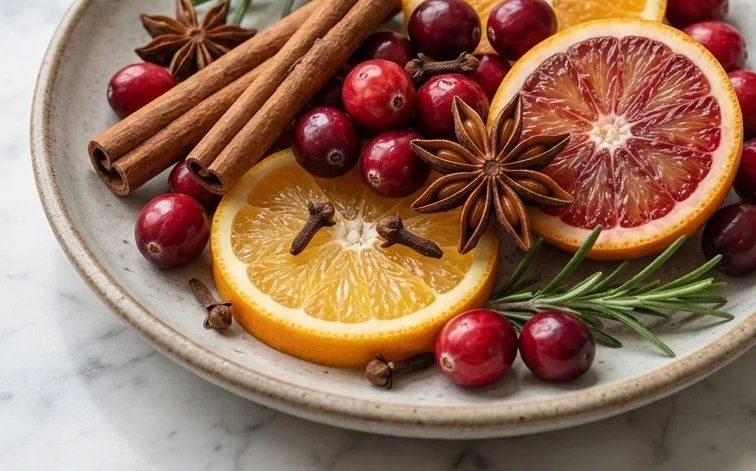
Both fresh and dried ingredients work beautifully in a simmer pot. Fresh ingredients, like citrus peels and apple slices, often provide a brighter, more immediate scent. Dried ingredients, such as cinnamon sticks, star anise, and cloves, tend to have a deeper, more concentrated aroma. A good blend often incorporates both for a well-rounded fragrance profile. For example, fresh orange slices will add a zesty top note, while dried cinnamon sticks will provide a grounding, warm spice. If using fresh ingredients, ensure they are clean and free of any stickers or wax. For dried items, check for any signs of staleness; they should still have a discernible aroma when you open the package.
Ingredients:
- Water
- Orange slices
- Apple slices
- Cinnamon sticks
- Whole cloves
- Star anise
- Cranberries
- Fresh ginger slices
- Vanilla extract
- Maple syrup
- Rosemary sprigs
- Pine sprigs
- Nutmeg (whole or ground)
5 Simmer Pot Recipes for Autumn
Here are five delightful blends to get you started on your autumn aroma journey. Feel free to adjust quantities to your preference.
Sweater Weather Spice
This blend is a classic for a reason, evoking the cozy feeling of wrapping up in a warm sweater.
- 2 cups water
- 1 orange, sliced
- 2 cinnamon sticks
- 5-7 whole cloves
- 1 star anise
- 1/2 teaspoon vanilla extract
Apple Orchard Bliss
Imagine walking through an apple orchard on a cool fall day. This recipe brings that scent indoors.
- 2 cups water
- 1 apple, sliced (any variety works well)
- 2 cinnamon sticks
- 3-5 whole cloves
- 1 sprig of rosemary
- A splash of maple syrup (about 1 tablespoon)
Maple Cranberry Woods
A slightly tart and sweet combination with a hint of woodsy freshness.
- 2 cups water
- 1/2 cup fresh cranberries
- 1 orange, sliced
- 1 cinnamon stick
- 2-3 star anise
- 1 sprig of pine (optional, for a forest note)
- 1 tablespoon maple syrup
Cozy Cabin Breeze
This blend aims for a grounding, comforting aroma reminiscent of a crackling fireplace.
- 2 cups water
- 1 inch fresh ginger, thinly sliced
- 2 cinnamon sticks
- 5-7 whole cloves
- 1/4 teaspoon ground nutmeg
- 1/2 teaspoon vanilla extract
Chai Spice Delight
Inspired by the popular spiced tea, this blend is warming and aromatic.
- 2 cups water
- 1 cinnamon stick
- 3-5 whole cloves
- 2 star anise
- 1/2 teaspoon cardamom pods (lightly crushed)
- A pinch of ground ginger
- A splash of maple syrup (optional)
Mixing and Matching: Build Your Own Blend
Don’t be afraid to experiment! Once you have a feel for how different ingredients scent your home, you can start creating your own custom blends. Consider combining elements from different recipes or adding your own favorite aromatics. For instance, a few drops of pure almond extract can add a unique sweetness, or a bay leaf can contribute an herbaceous note. The possibilities are endless, and the fun is in discovering what you love most.
Slow Cooker and Wax Warmer Alternatives
If you prefer not to use your stovetop, a small slow cooker on the “warm” setting is an excellent alternative. It provides continuous, gentle heat and is particularly good for longer simmering sessions or when you’re out of the house for a few hours. Ensure the lid is slightly ajar to allow steam to escape. Some electric wax warmers can also be used; simply fill the dish with water and your chosen ingredients. Be sure the warmer is designed for liquids and won’t overheat.
Keeping Your Simmer Pot Safe
Safety is paramount. Never leave a simmering pot unattended, especially on the stovetop. Always keep a close eye on the water level and add more water as needed to prevent the pot from boiling dry. This can damage your pot and is a fire hazard. Ensure the pot is placed on a stable surface away from the edge of the counter where it could be knocked over. Keep out of reach of children and pets.
Turning a Simmer Pot Into a Gift
A beautifully prepared simmer pot blend makes a wonderful, thoughtful gift. Assemble your chosen dried ingredients into a mason jar or a decorative sachet. Include a tag with the recipe instructions, explaining how to use it on the stovetop or in a slow cooker. You can even include a small, unscented candle or a nice tea towel to complete the gift. It’s a lovely way to share the warmth and comfort of autumn with friends and family.
How Long a Batch Lasts and Storing Leftovers
A single batch of simmer pot ingredients can typically last for 1 to 2 days, depending on how long you simmer it each day and how much water you add. Once you’re done simmering for the day, let the mixture cool completely. You can store the pot in the refrigerator overnight and reheat it the next day. Discard the ingredients when they no longer release a noticeable scent, usually after a couple of days. If you have excess ingredients that haven’t been simmered, you can store them in airtight containers in a cool, dark place for several weeks.
Prefer Essential Oils Instead?
While this article focuses on natural botanicals, some people prefer using essential oils. If you go this route, add only a few drops of high-quality, pure essential oils (like cinnamon, clove, orange, or fir) to warm water. Be cautious, as essential oils are potent and can be irritating if used in excess or if you have sensitivities. Always ensure you are using oils specifically intended for aromatherapy or home fragrancing.
Conclusion:
Creating your own autumn potpourri with stovetop simmer pots is such a rewarding and simple way to bring the essence of fall indoors. It’s a natural, beautiful alternative to artificial scents and allows for endless customization. The warm spices and natural ingredients fill your home with an inviting aroma that makes any space feel cozy and welcoming. Whether you’re hosting guests or just enjoying a quiet evening, a simmering pot adds that special touch. Experimenting with different combinations, like adding a few extra cinnamon sticks for a spicier scent or more citrus for brightness, is part of the fun. Don’t be afraid to try new ingredients like dried cranberries or star anise. Keep your simmer pot going throughout the season for a constant cozy atmosphere.
Frequently Asked Questions:
How long can I simmer a potpourri blend?
You can simmer a blend for several hours, as long as you keep the water level topped up. Generally, a simmer pot can last from 4 hours to a full day, depending on how often you replenish the water and the heat level. Always ensure there’s enough water to cover the ingredients to prevent burning.
Can I reuse simmer pot ingredients?
Yes, you can often reuse simmer pot ingredients for 1-2 days. The scent will diminish with each use, so you may need to add fresh ingredients or a few more spices to revive the fragrance. Once the ingredients no longer release a noticeable scent, it’s time to discard them and start a new blend.
What ingredients should I avoid in a simmer pot?
Avoid ingredients that could easily burn or create a sticky residue, like large amounts of sugar or honey directly in the water without other liquids. While some recipes might suggest a splash of vanilla extract, be cautious as too much can also create a sticky film. Always use enough water to keep everything gently simmering and not boiling vigorously.
Autumn Potpourri Recipes: Stovetop Simmer Pot Blends for Fall
Create a warm and inviting atmosphere with these easy stovetop simmer pot blends perfect for autumn. Learn to make your own fall fragrances using fresh and dried ingredients.
Ingredients
-
Orange slices
-
Apple slices
-
Cinnamon sticks
-
Whole cloves
-
Star anise
-
Cranberries
-
Maple extract
-
Vanilla extract
-
Ginger slices
-
Cardamom pods
Instructions
-
Step 1
Choose your ingredients. You can use fresh or dried fruits, spices, and herbs. -
Step 2
Fill a saucepan or pot with water. The amount of water will depend on the size of your pot and how long you want the simmer to last. Typically, 2-3 cups is a good starting point. -
Step 3
Add your chosen ingredients to the water. For example, for ‘Apple Orchard Bliss’, you might combine apple slices, cinnamon sticks, and orange slices. -
Step 4
Place the pot on the stovetop over low heat. Do not let the water boil vigorously; a gentle simmer is ideal. -
Step 5
Allow the potpourri to simmer, releasing its fragrance. Keep an eye on the water level and add more as needed to prevent the pot from drying out. -
Step 6
Enjoy the autumn scent. You can let the simmer pot run for a few hours. Turn off the heat when not in use.
Important Information
Nutrition Facts (Per Serving)
It is important to consider this information as approximate and not to use it as definitive health advice.
Allergy Information
Please check ingredients for potential allergens and consult a health professional if in doubt.



Leave a Comment