Orange Cranberry Bread is a wonderful quick bread that balances sweet and tart flavors beautifully. It’s my go-to when I want a treat that feels special but doesn’t take ages to make. The combination of bright, zesty orange and the slight tang of cranberries is just fantastic. This bread is incredibly moist, with a tender crumb that holds onto those plump, juicy cranberries. The simple orange glaze on top adds a final touch of sweetness and extra zing, making it look as good as it tastes. It fills the house with a comforting aroma as it bakes, making it perfect for weekend mornings, holiday brunches, or just because. I love how straightforward this recipe is; even if you’re new to baking, you’ll end up with a gorgeous loaf.
Ingredients:
- 8 tablespoons (113g) unsalted butter, at room temperature
- 3/4 cup (149g) granulated sugar
- zest of 1 orange
- 1/2 teaspoon table salt
- 1 3/4 cups (210g) King Arthur Unbleached All-Purpose Flour
- 1 teaspoon baking powder
- 3 large eggs
- 1/2 cup (113g) milk
- 2 teaspoons King Arthur Pure Vanilla Extract
- 1 cup (99g) cranberries, fresh or frozen; roughly chopped
- 3/4 cup (85g) confectioners’ sugar, sifted if lumpy
- 1 tablespoon (14g) orange juice, fresh preferred.
Preparing the Batter
The first step to a delicious Orange Cranberry Bread is to cream together the softened butter and granulated sugar. Make sure your butter is truly at room temperature – it should give slightly when you press it, but not be melted. This ensures it whips up light and airy with the sugar, which is key for a good texture. Add the finely grated zest of one whole orange. Zesting the orange before you juice it is much easier, and it adds such a fantastic concentrated orange flavor throughout the bread, far more intense than just using juice alone. Mix this well until fragrant.
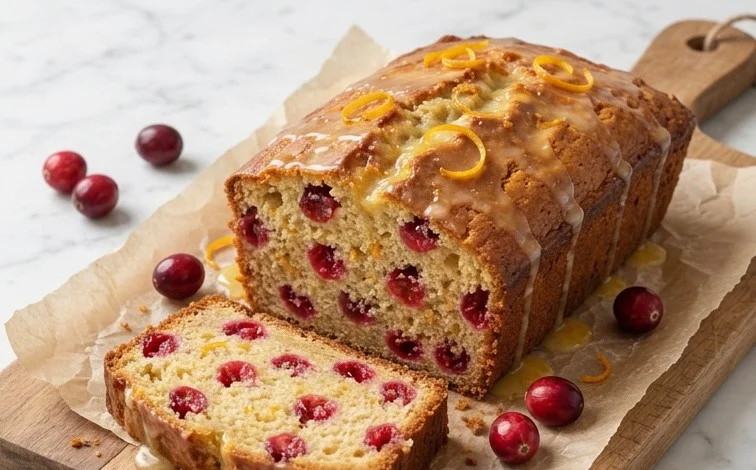
Orange Cranberry Bread
This Orange Cranberry Bread is a beautiful mix of tart cranberries and bright orange, perfect for any occasion from a festive breakfast to an afternoon tea. The aroma that fills your kitchen while it bakes is absolutely wonderful, and the flavor is even better. It’s a wonderfully moist loaf with a tender crumb, studded with jewel-like cranberries. The simple orange glaze on top adds a lovely touch of sweetness and extra orange zing. This recipe is straightforward, making it approachable for bakers of all levels.
Ingredients:
- 8 tablespoons (113g) unsalted butter, at room temperature
- 3/4 cup (149g) granulated sugar
- zest of 1 orange
- 1/2 teaspoon table salt
- 1 3/4 cups (210g) King Arthur Unbleached All-Purpose Flour
- 1 teaspoon baking powder
- 3 large eggs
- 1/2 cup (113g) milk
- 2 teaspoons King Arthur Pure Vanilla Extract
- 1 cup (99g) cranberries, fresh or frozen; roughly chopped
- 3/4 cup (85g) confectioners’ sugar, sifted if lumpy
- 1 tablespoon (14g) orange juice, fresh preferred.
Preparing the Batter
The first step to a delicious Orange Cranberry Bread is to cream together the softened butter and granulated sugar. Make sure your butter is truly at room temperature – it should give slightly when you press it, but not be melted. This ensures it whips up light and airy with the sugar, which is key for a good texture. Add the finely grated zest of one whole orange. Zesting the orange before you juice it is much easier, and it adds such a fantastic concentrated orange flavor without any bitterness. Then, mix in the half teaspoon of table salt. Salt not only enhances flavor but also balances the sweetness.
In a separate medium bowl, whisk together the 1 and 3/4 cups of all-purpose flour and the 1 teaspoon of baking powder. Whisking these dry ingredients together ensures the baking powder is evenly distributed, which means your bread will rise evenly. This is a simple step, but it makes a difference in the final texture.
Now, back to the wet ingredients. In a larger bowl, beat the three large eggs one at a time into the creamed butter and sugar mixture. Make sure each egg is fully incorporated before adding the next. This helps to create a stable emulsion. Next, gradually add the 1/2 cup of milk and the 2 teaspoons of vanilla extract. Stir until everything is just combined. Don’t overmix at this stage. You’ll notice the mixture looks a bit liquidy, which is perfectly normal.
Combining Wet and Dry Ingredients
Gradually add the dry ingredients to the wet ingredients, mixing on low speed or by hand until just combined. It’s important not to overmix the batter once the flour is added. Overmixing can develop the gluten in the flour too much, leading to a tough loaf. A few small lumps are perfectly fine. You want to mix until you no longer see streaks of dry flour. This usually takes just a minute or two.
Adding the Cranberries
Now for the star ingredients! Gently fold in the 1 cup of roughly chopped cranberries. If you’re using frozen cranberries, you can add them directly to the batter without thawing. Chopping them ensures they distribute more evenly throughout the bread and don’t all sink to the bottom. Be gentle when folding them in so you don’t break them up too much and create a pink streaky mess, unless that’s the look you’re going for! The goal is to have distinct pops of cranberry throughout your finished loaf.
Baking the Bread
Preheat your oven to 350 degrees Fahrenheit (175 degrees Celsius). Grease and flour a standard 9×5 inch loaf pan, or line it with parchment paper, leaving an overhang on the sides for easy lifting. Pour the batter evenly into the prepared loaf pan. Smooth the top with a spatula.
Bake for 50 to 65 minutes, or until a wooden skewer or toothpick inserted into the center of the loaf comes out clean. The baking time can vary depending on your oven, so start checking around the 50-minute mark. If the top of the bread starts to brown too quickly before the center is cooked, you can loosely tent it with aluminum foil for the remainder of the baking time. This is a common trick to prevent over-browning.
Making the Glaze and Finishing
While the bread is cooling, prepare the simple glaze. In a small bowl, whisk together the sifted 3/4 cup of confectioners’ sugar and the 1 tablespoon of fresh orange juice. Sifting the confectioners’ sugar is important to prevent lumps in your glaze, ensuring a smooth and professional finish. If the glaze seems too thick, add a tiny bit more orange juice, just a drop at a time, until it reaches a drizzling consistency. If it’s too thin, add a little more sifted confectioners’ sugar.
Once the bread has baked and is out of the oven, let it cool in the pan for about 10-15 minutes. Then, carefully remove it from the pan and place it on a wire rack to cool completely. It’s important to let it cool sufficiently before glazing. Once the bread is mostly cooled, drizzle the orange glaze over the top. Allow the glaze to set before slicing and serving. This bread is delicious served warm or at room temperature. It stores well in an airtight container at room temperature for up to three days, or it can be frozen for longer storage.
Conclusion:
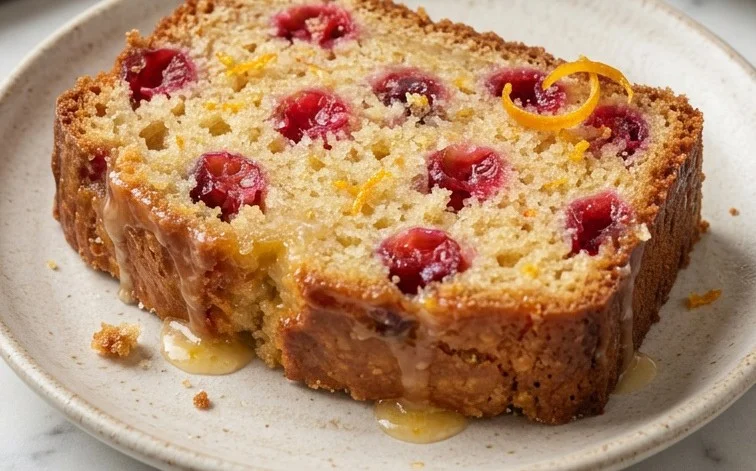
Baking this Orange Cranberry Bread is a rewarding experience that yields a loaf that’s both beautiful and delicious. The moist texture, tender crumb, and the delightful contrast of sweet orange and tart cranberries make it a favorite for many occasions. It’s a testament to how simple ingredients can create something truly special.
Serve slices warm, perhaps with a smear of butter, or enjoy it as is with your afternoon tea or coffee. For variations, consider adding a handful of chopped walnuts or pecans for a nutty crunch, or a touch of cinnamon for added warmth. If you don’t have fresh cranberries, frozen ones work perfectly well; just make sure they are roughly chopped so they distribute evenly. This Orange Cranberry Bread also makes a thoughtful homemade gift.
FAQs:
Can I use dried cranberries instead of fresh or frozen?
Yes, you can, but you’ll want to rehydrate them first. Soak about 3/4 cup of dried cranberries in warm water for about 10-15 minutes, then drain them thoroughly. This will prevent them from drying out the bread and make them plumper.
How should I store Orange Cranberry Bread?
Once cooled, wrap the bread tightly in plastic wrap or place it in an airtight container. It stays fresh at room temperature for about 3-4 days. For longer storage, you can freeze slices or the whole loaf for up to 3 months.
What makes the bread so moist?
The combination of softened butter, milk, and eggs contributes to the moist crumb. Ensuring your butter is at the right room temperature when creaming with sugar is also key to a tender texture, not a dense one.
Orange Cranberry Bread
A moist and flavorful quick bread bursting with the bright citrus notes of orange and tartness of cranberries.
Ingredients
-
8 tablespoons (113g) unsalted butter, at room temperature
-
3/4 cup (149g) granulated sugar
-
zest of 1 orange
-
1/2 teaspoon table salt
-
1 3/4 cups (210g) King Arthur Unbleached All-Purpose Flour
-
1 teaspoon baking powder
-
3 large eggs
-
1/2 cup (113g) milk
-
2 teaspoons King Arthur Pure Vanilla Extract
-
1 cup (99g) cranberries, fresh or frozen; roughly chopped
-
3/4 cup (85g) confectioners’ sugar, sifted if lumpy
-
1 tablespoon (14g) orange juice, fresh preferred
Instructions
-
Step 1
Preheat oven to 350°F (175°C). Grease and flour a 9×5 inch loaf pan. -
Step 2
In a large bowl, cream together the softened butter and granulated sugar until light and fluffy. Stir in the orange zest and salt. -
Step 3
In a separate bowl, whisk together the flour and baking powder. In another small bowl, whisk together the eggs, milk, and vanilla extract. -
Step 4
Gradually add the dry ingredients to the wet ingredients, alternating with the egg mixture, beginning and ending with the dry ingredients. Mix until just combined. Fold in the cranberries. -
Step 5
Pour the batter into the prepared loaf pan and bake for 50-60 minutes, or until a wooden skewer inserted into the center comes out clean. -
Step 6
While the bread is still warm, whisk together the confectioners’ sugar and orange juice to create a glaze. Drizzle the glaze over the top of the bread. -
Step 7
Let the bread cool in the pan for 10 minutes before transferring it to a wire rack to cool completely.
Important Information
Nutrition Facts (Per Serving)
It is important to consider this information as approximate and not to use it as definitive health advice.
Allergy Information
Please check ingredients for potential allergens and consult a health professional if in doubt.


Leave a Comment